Introduction to Mental Wellness
Taking care of your mental health is just as important as taking care of your physical health. In today's fast-paced world, it's easy to get caught up in the hustle and bustle of daily life and neglect our mental well-being. However, making small changes to your daily routine can have a significant impact on your mental health. In this blog post, we'll explore 8 simple ways to improve your mental health daily, from mindfulness and self-care to social connections and stress management.
Tip 1: Start Your Day with Mindfulness
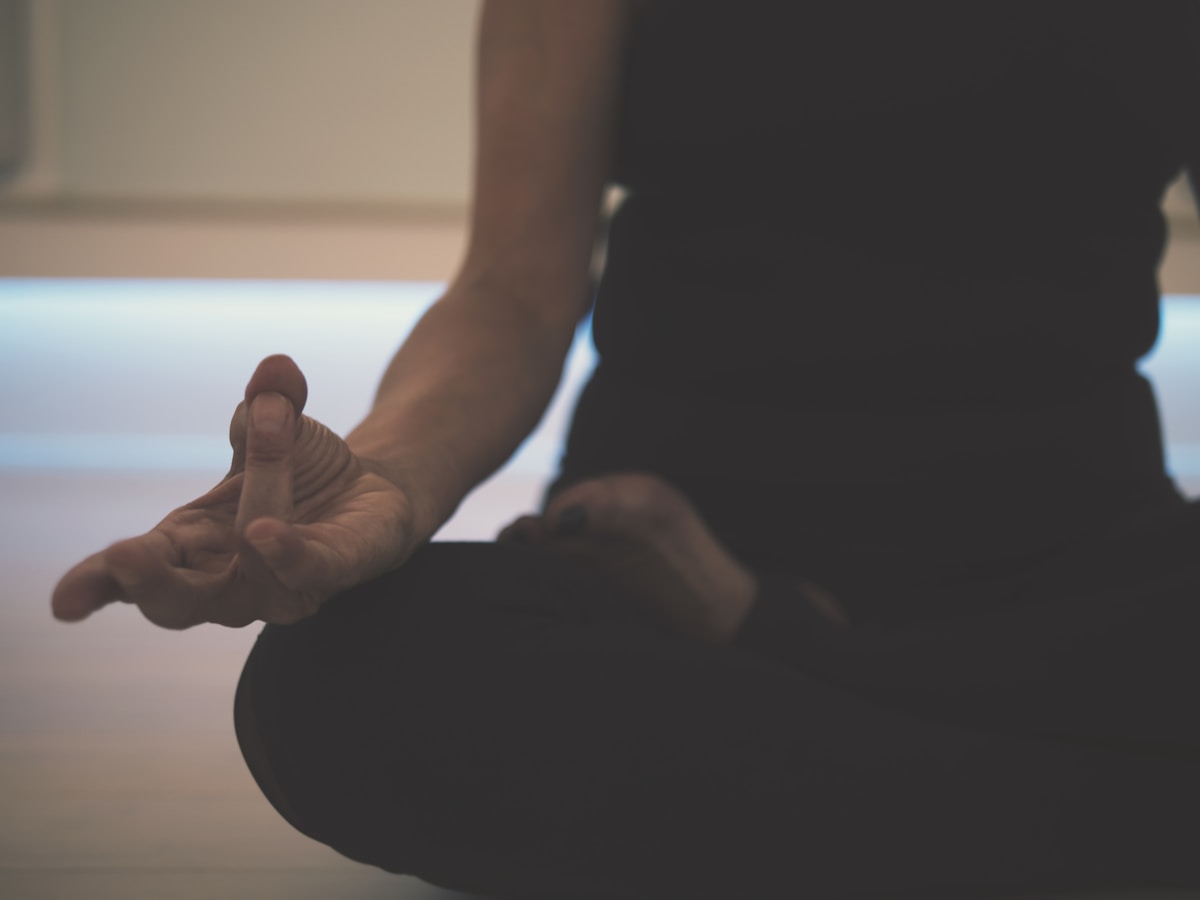
Begin your day with a mindfulness practice, such as meditation or deep breathing exercises. This can help calm your mind and set a positive tone for the day ahead. Try using a mindfulness app like Headspace or Calm to guide you through a morning meditation session. For example, Sarah, a busy working mom, starts her day with a 10-minute meditation session, which helps her feel more centered and focused throughout the day.
Tip 2: Get Moving with Exercise
Regular exercise is a great way to boost your mood and reduce stress. Aim for at least 30 minutes of physical activity per day, such as a brisk walk or a yoga class. Exercise releases endorphins, also known as "feel-good" hormones, which can help improve your mental health. Try to find an exercise routine that you enjoy, so it doesn't feel like a chore. Whether it's dancing, swimming, or cycling, make sure it's something that makes you happy and keeps you motivated.
Tip 3: Practice Self-Care
Self-care is an essential part of maintaining good mental health. Make time for activities that bring you joy and help you relax, such as reading a book, taking a warm bath, or listening to music. It's also important to prioritize sleep and aim for 7-8 hours per night. A good night's sleep can help regulate your mood and reduce stress. Try to establish a bedtime routine that signals to your brain that it's time to wind down, such as writing in a journal or practicing gentle stretches.
Tip 4: Connect with Nature
Spending time in nature can have a profound impact on your mental health. Try to get outside for at least 30 minutes per day, whether it's walking in a park, hiking in the woods, or simply sitting in a garden or on a balcony with plants. Being in nature can help reduce stress and anxiety, and improve your mood. If you live in a city, try to find a green space or a rooftop garden to escape to.
Tip 5: Build Social Connections
Social connections are vital for our mental health. Make time for activities that bring you joy and help you connect with others, such as joining a club or group that aligns with your interests, volunteering, or simply meeting a friend for coffee. Having strong social connections can help you feel supported and less isolated, which is essential for maintaining good mental health. Try to schedule regular social activities into your diary, such as a weekly phone call with a friend or a monthly book club meeting.
Tip 6: Practice Gratitude
Practicing gratitude can help shift your focus away from negative thoughts and cultivate a more positive mindset. Try keeping a gratitude journal, where you write down three things you're thankful for each day. This could be something as simple as a good cup of coffee, a beautiful sunset, or a supportive friend. Focusing on what you're grateful for can help you feel more positive and appreciative of the good things in your life.
Tip 7: Take Breaks and Practice Self-Compassion
It's essential to take breaks and practice self-compassion throughout the day. Try to schedule regular breaks into your diary, such as a short walk or a few minutes of stretching. Be kind to yourself and acknowledge that it's okay to not be perfect. Remember that everyone makes mistakes, and it's a normal part of the learning process. Treat yourself with the same kindness and compassion that you would offer to a friend.
Tip 8: Learn to Say No
Learning to say no is an essential part of maintaining good mental health. Try to be mindful of your boundaries and avoid taking on too much. It's okay to say no to social invitations, work commitments, or any other activities that don't align with your values or priorities. Remember that saying no to something that doesn't serve you means saying yes to yourself and your own well-being.
By incorporating these 8 simple tips into your daily routine, you can improve your mental health and well-being. Remember, it's all about making small changes that add up over time. Don't be too hard on yourself if you don't see immediate results – just keep showing up and taking care of yourself, and you'll be on the path to better mental health in no time.
Conclusion
Improving your mental health is a journey, not a destination. It takes time, effort, and patience, but the rewards are well worth it. By prioritizing your mental well-being and making small changes to your daily routine, you can cultivate a more positive mindset, build stronger relationships, and live a happier, healthier life. Remember, you are not alone, and there is always hope for a brighter tomorrow. So, take that first step today, and start investing in your mental health – you're worth it!
When to Seek Professional Help
If you're struggling with serious mental health issues, such as depression, anxiety, or suicidal thoughts, it's essential to seek professional help. A therapist or counselor can provide you with the support and guidance you need to navigate these challenges. Don't be afraid to reach out for help – it's a sign of strength, not weakness. Remember, mental health professionals are trained to help you work through difficult emotions and develop coping strategies to improve your mental well-being. If you're unsure where to start, you can talk to your doctor, contact a mental health organization, or search online for therapists in your area.
- Talk to your doctor or a mental health professional if you're experiencing symptoms of mental health issues
- Reach out to a crisis helpline or support service if you're in immediate distress
- Consider online therapy or counseling if you prefer the convenience and anonymity of online support