Introduction to Anxiety and Its Impact
Anxiety is a common mental health condition that affects millions of people worldwide. It can manifest in different forms, such as generalized anxiety disorder, panic disorder, or social anxiety disorder, and can have a significant impact on a person's daily life. Anxiety can cause feelings of fear, worry, and unease, making it difficult to concentrate, sleep, and enjoy everyday activities. While medication and therapy are effective treatments for anxiety, there are also many natural ways to manage and reduce anxiety symptoms.
Understanding the Importance of Natural Remedies
Natural remedies for anxiety are becoming increasingly popular, as they offer a holistic approach to managing anxiety symptoms. These remedies can be used in conjunction with conventional treatments or as a standalone approach. Natural remedies are often preferred because they are non-invasive, have fewer side effects, and can be tailored to an individual's specific needs. In this blog post, we will explore 7 practical and actionable tips on how to deal with anxiety naturally.
Practical Tips for Managing Anxiety Naturally
Here are 7 tips to help you manage anxiety naturally:
- Deep Breathing Exercises: Deep breathing exercises can help calm the mind and body. When we are anxious, our breathing becomes shallow and rapid. By consciously taking slow, deep breaths, we can slow down our heart rate and calm our nervous system. Try inhaling for a count of 4, holding your breath for a count of 7, and exhaling for a count of 8.
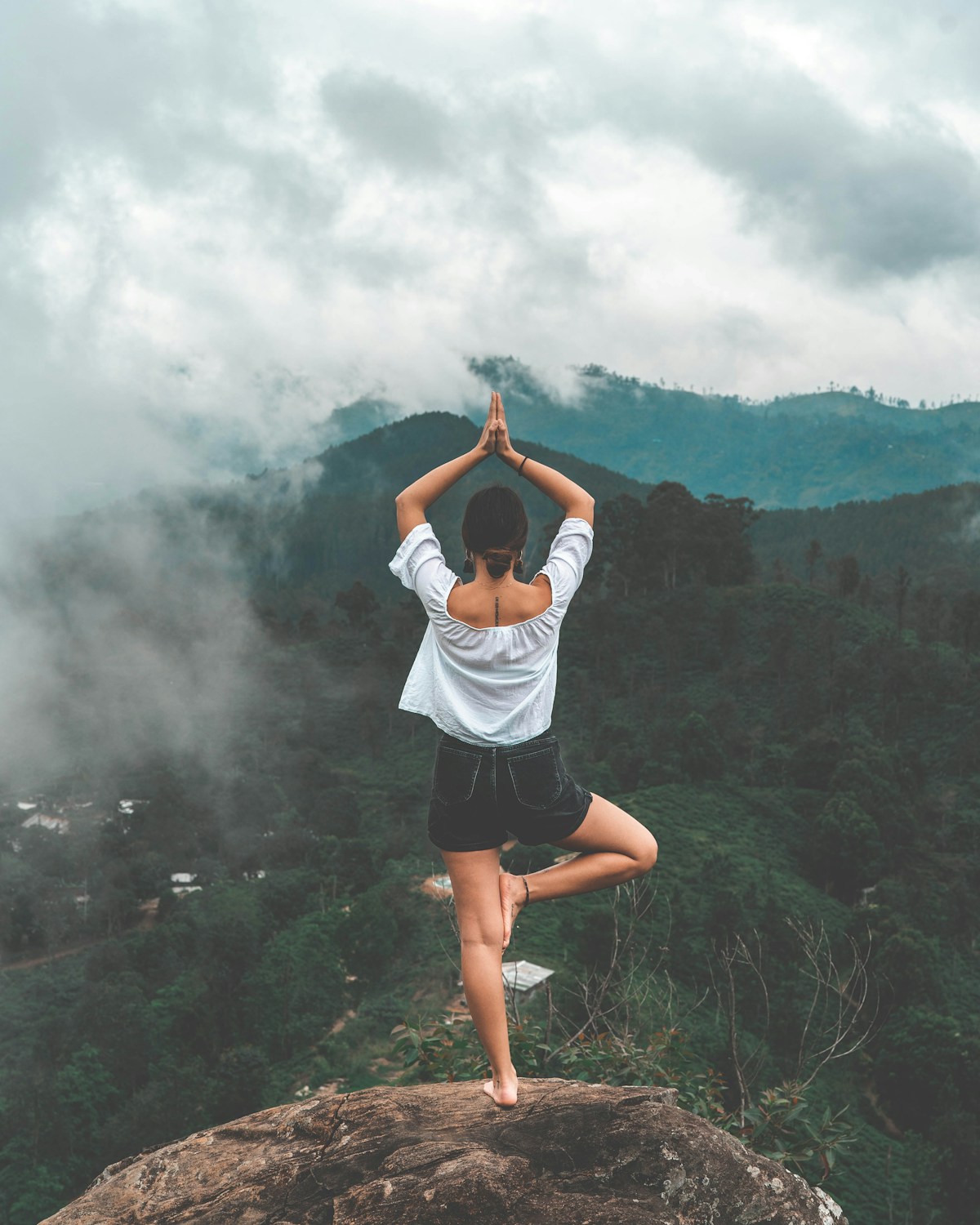
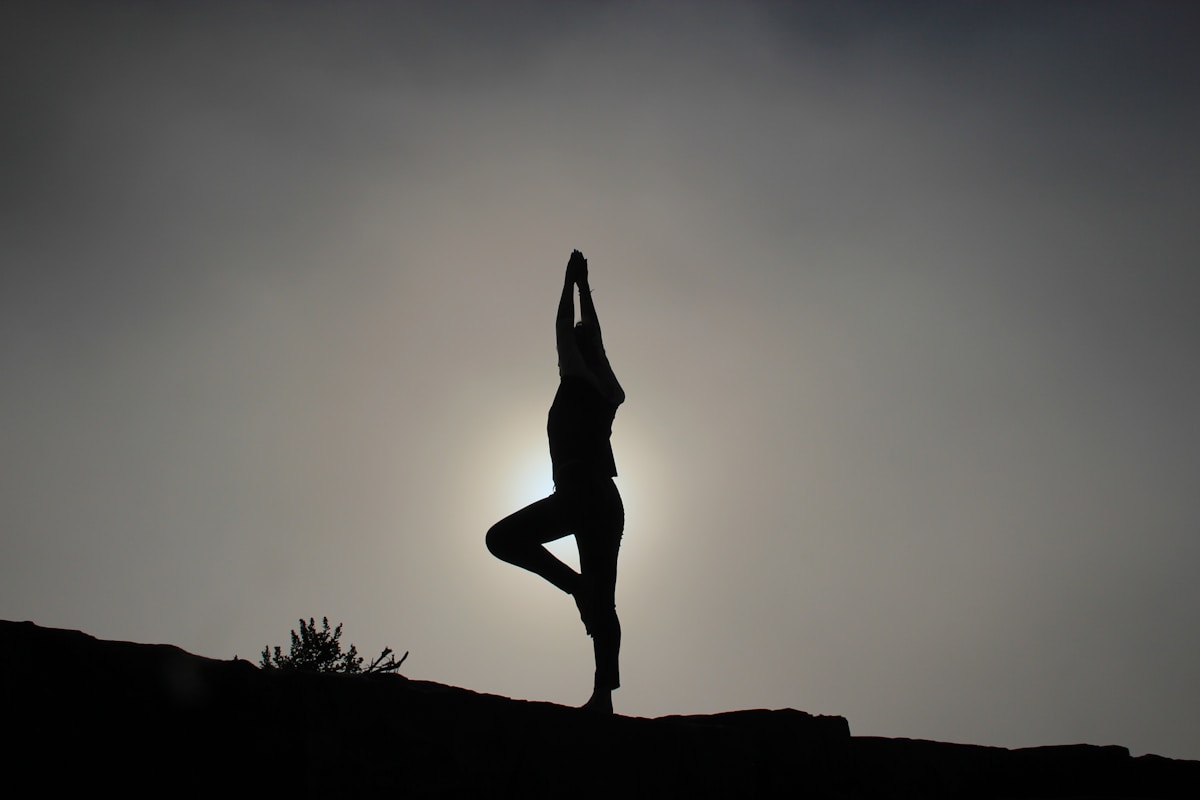
- Physical Exercise: Regular physical exercise is a natural anxiety-reducer. Exercise releases endorphins, which are chemicals that improve our mood and reduce stress. Activities like walking, running, swimming, and yoga can help reduce anxiety symptoms. Aim for at least 30 minutes of moderate-intensity exercise per day.
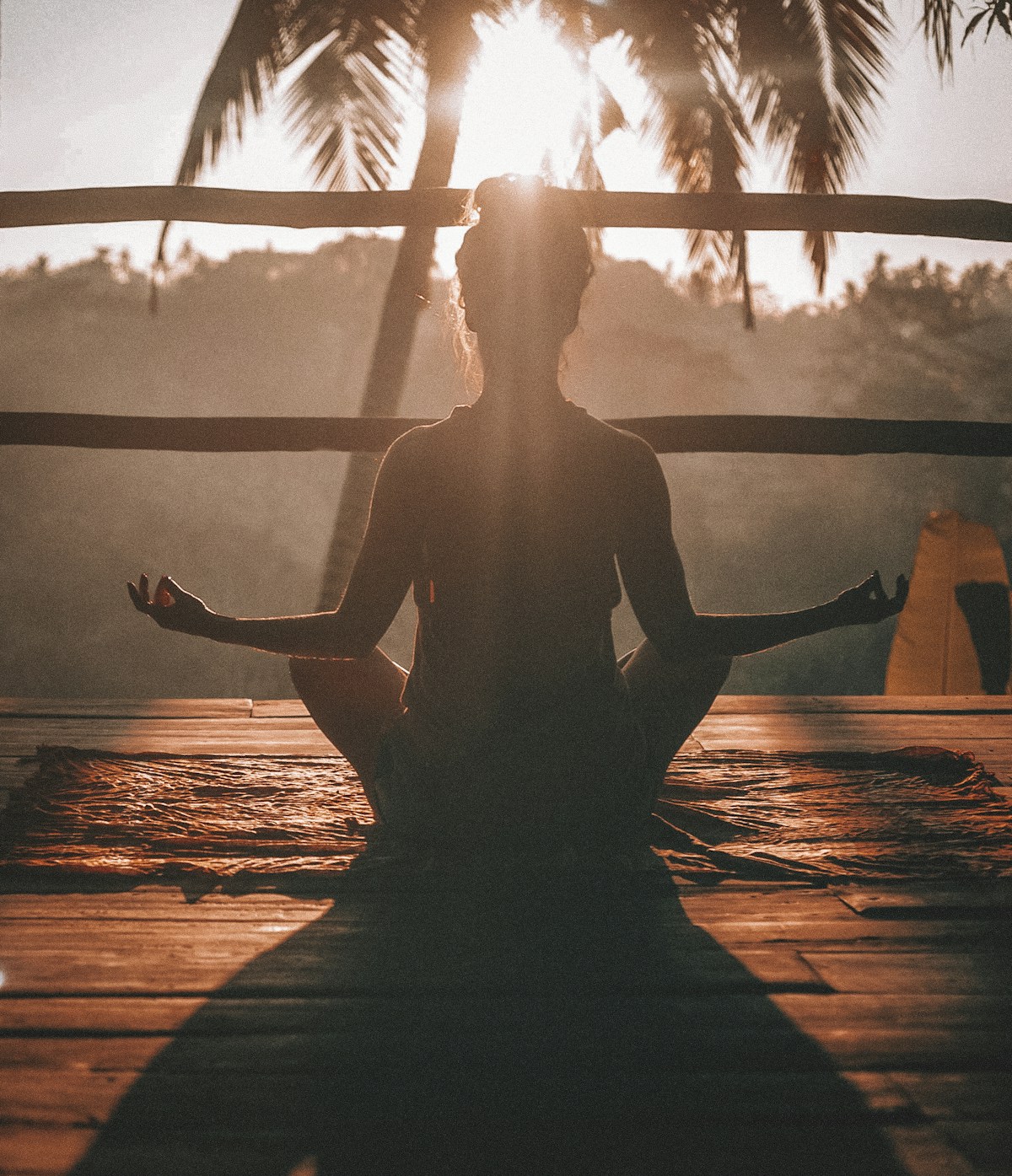
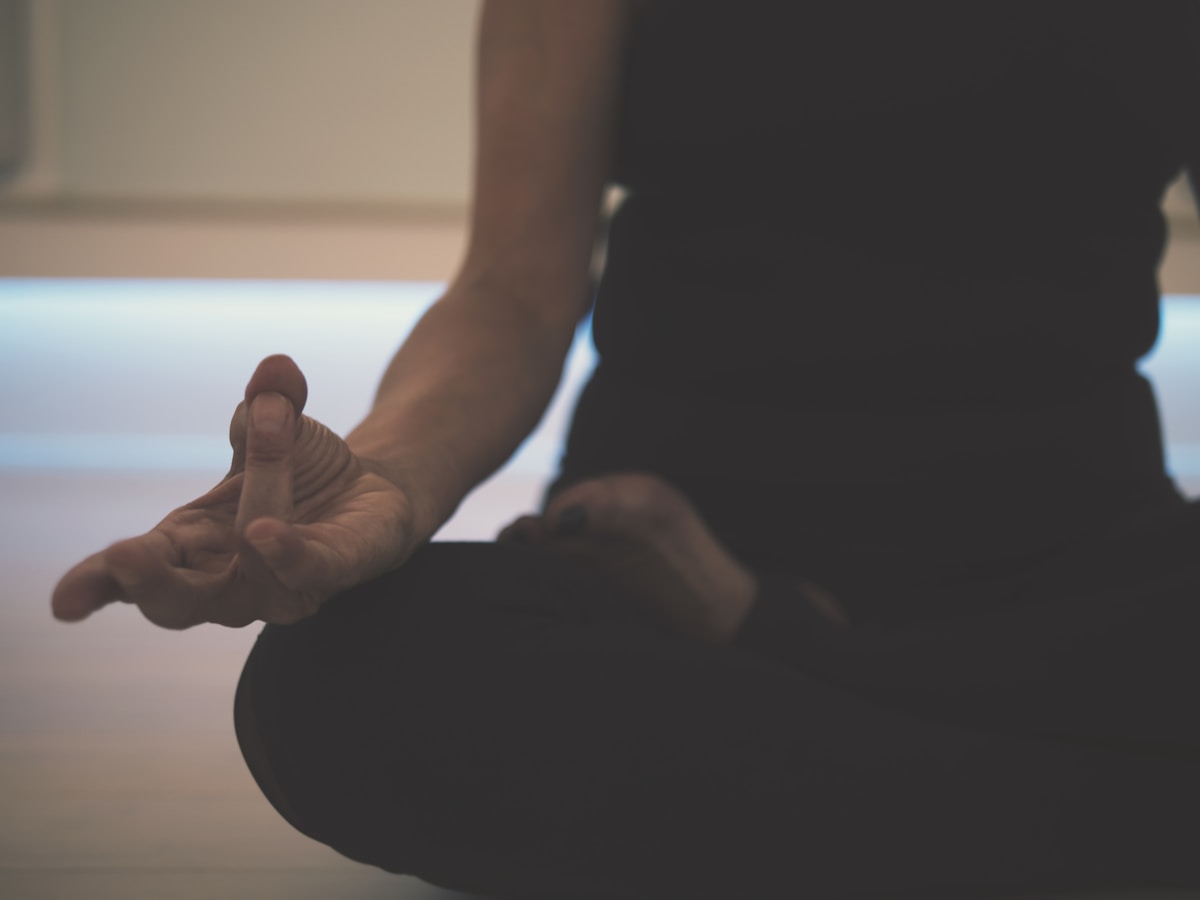
- Mindfulness Meditation: Mindfulness meditation is a powerful tool for managing anxiety. This practice involves focusing on the present moment, without judgment or distraction. Regular mindfulness meditation can help reduce anxiety symptoms, improve sleep, and enhance overall well-being. Start with short sessions of 5-10 minutes per day and gradually increase as you become more comfortable with the practice.
- Healthy Diet: A healthy diet rich in fruits, vegetables, whole grains, and lean proteins can help reduce anxiety symptoms. Avoid sugary and processed foods, which can exacerbate anxiety. Include foods rich in omega-3 fatty acids, such as salmon, walnuts, and chia seeds, as they have been shown to have a positive impact on mental health.
- Sufficient Sleep: Getting enough sleep is essential for managing anxiety. Aim for 7-8 hours of sleep per night and establish a consistent sleep routine. Avoid caffeine, nicotine, and electronic devices before bedtime, as they can interfere with sleep quality.
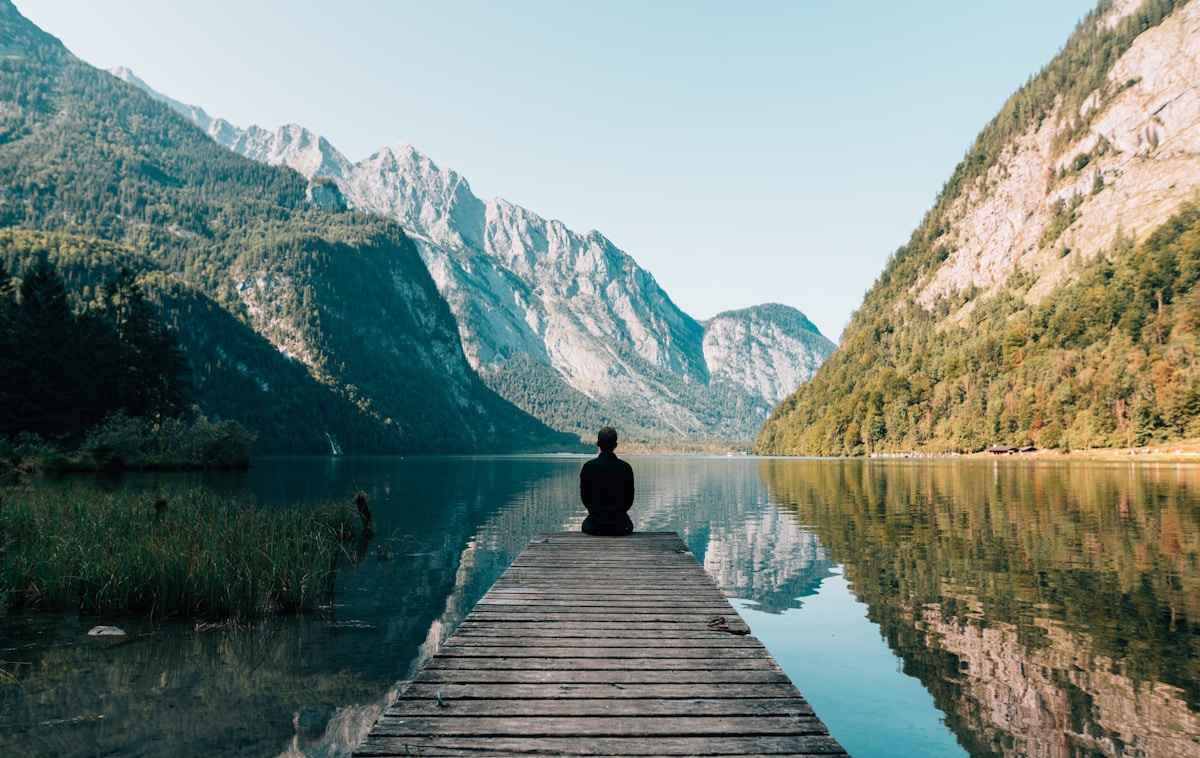
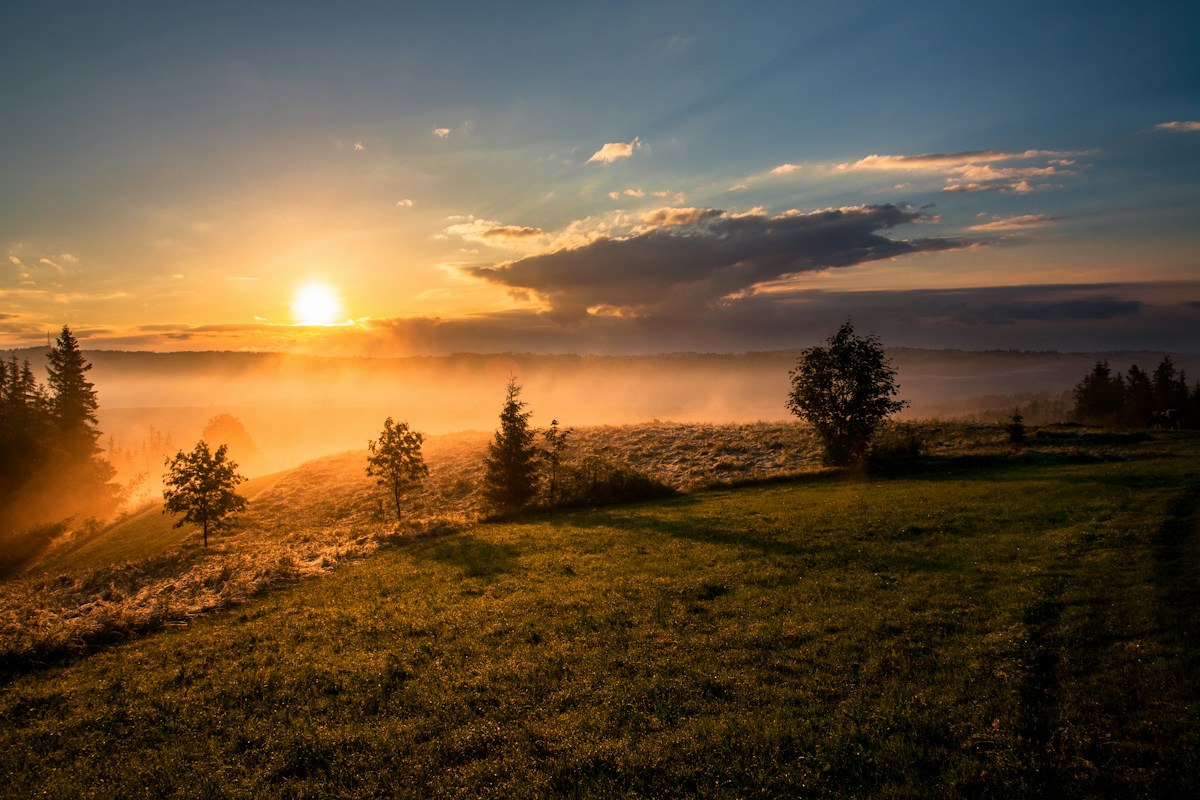
- Connect with Nature: Spending time in nature can have a calming effect on the mind and body. Take short walks in a park, go for a hike, or simply sit in a garden or on a balcony with plants. Being in nature can help reduce anxiety symptoms and improve mood.
- Journaling: Journaling can be a therapeutic way to process emotions and manage anxiety. Writing down your thoughts, feelings, and concerns can help you identify patterns and triggers of anxiety. Reflecting on your journal entries can also help you develop coping strategies and gain perspective.
Additional Tips and Considerations
In addition to these tips, it's essential to remember that everyone's experience with anxiety is unique. What works for one person may not work for another. Be patient and try different approaches until you find what works best for you. It's also important to seek professional help if your anxiety symptoms are severe, persistent, or interfering with your daily life. A mental health professional can help you develop a personalized treatment plan and provide support and guidance throughout your journey.
Conclusion and Motivation
Managing anxiety naturally takes time, effort, and patience. It's essential to be kind and compassionate with yourself as you navigate this journey. Remember that you are not alone, and there is hope for a more peaceful and anxiety-free life. By incorporating these 7 tips into your daily routine and seeking professional help when needed, you can take the first steps towards a more balanced and fulfilling life. Keep in mind that small steps can lead to significant changes over time. Start with one or two tips and gradually build upon them. Celebrate your successes, no matter how small they may seem, and don't be too hard on yourself when you encounter setbacks. With persistence, self-care, and the right support, you can learn to manage anxiety naturally and live a happier, healthier life.