Introduction to Stress Reduction
Are you tired of feeling overwhelmed and stressed out all the time? You're not alone. Stress is a common phenomenon that affects millions of people worldwide, causing anxiety, fatigue, and a range of other negative emotions. The good news is that there are many natural ways to reduce stress and improve your overall well-being. In this blog post, we'll explore 8 practical and actionable tips to help you manage stress and unlock a happier, healthier you.
Understanding Stress
Before we dive into the tips, it's essential to understand what stress is and how it affects our bodies. Stress is a natural response to a perceived threat or pressure, triggering the release of hormones like cortisol and adrenaline. While some stress can be beneficial, chronic stress can lead to a range of health problems, including anxiety, depression, and a weakened immune system. By understanding the causes of stress and how it affects our bodies, we can take the first step towards managing it.
8 Natural Ways to Reduce Stress
Here are 8 natural ways to reduce stress and improve your overall well-being:
- Deep Breathing Exercises: Deep breathing is a powerful technique for reducing stress and anxiety. By focusing on your breath, you can calm your mind and slow down your heart rate. Try inhaling for a count of four, holding your breath for a count of seven, and exhaling for a count of eight.
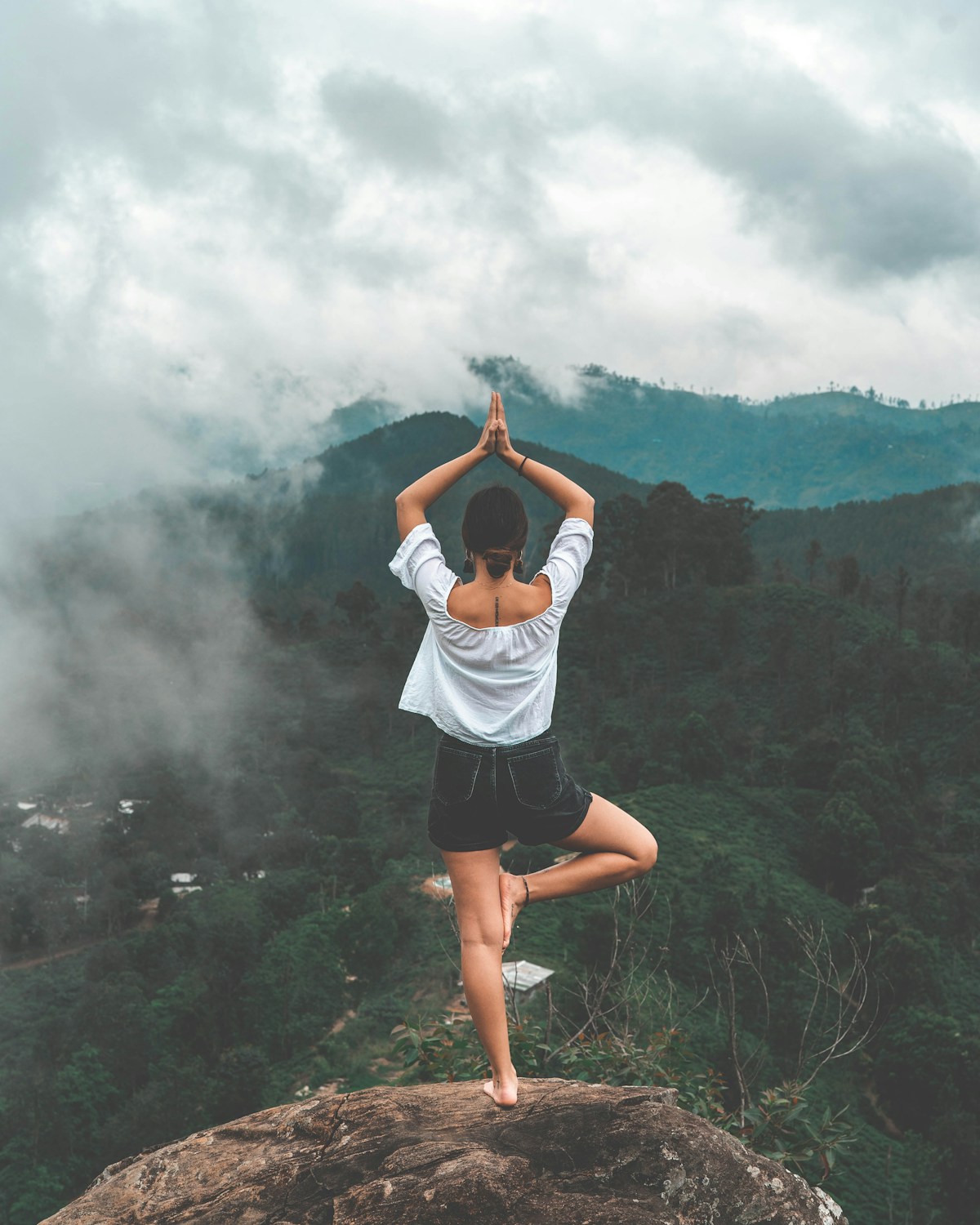
- Physical Exercise: Exercise is a natural stress-reliever, releasing endorphins that improve your mood and reduce anxiety. Try activities like walking, running, or yoga to help manage stress.
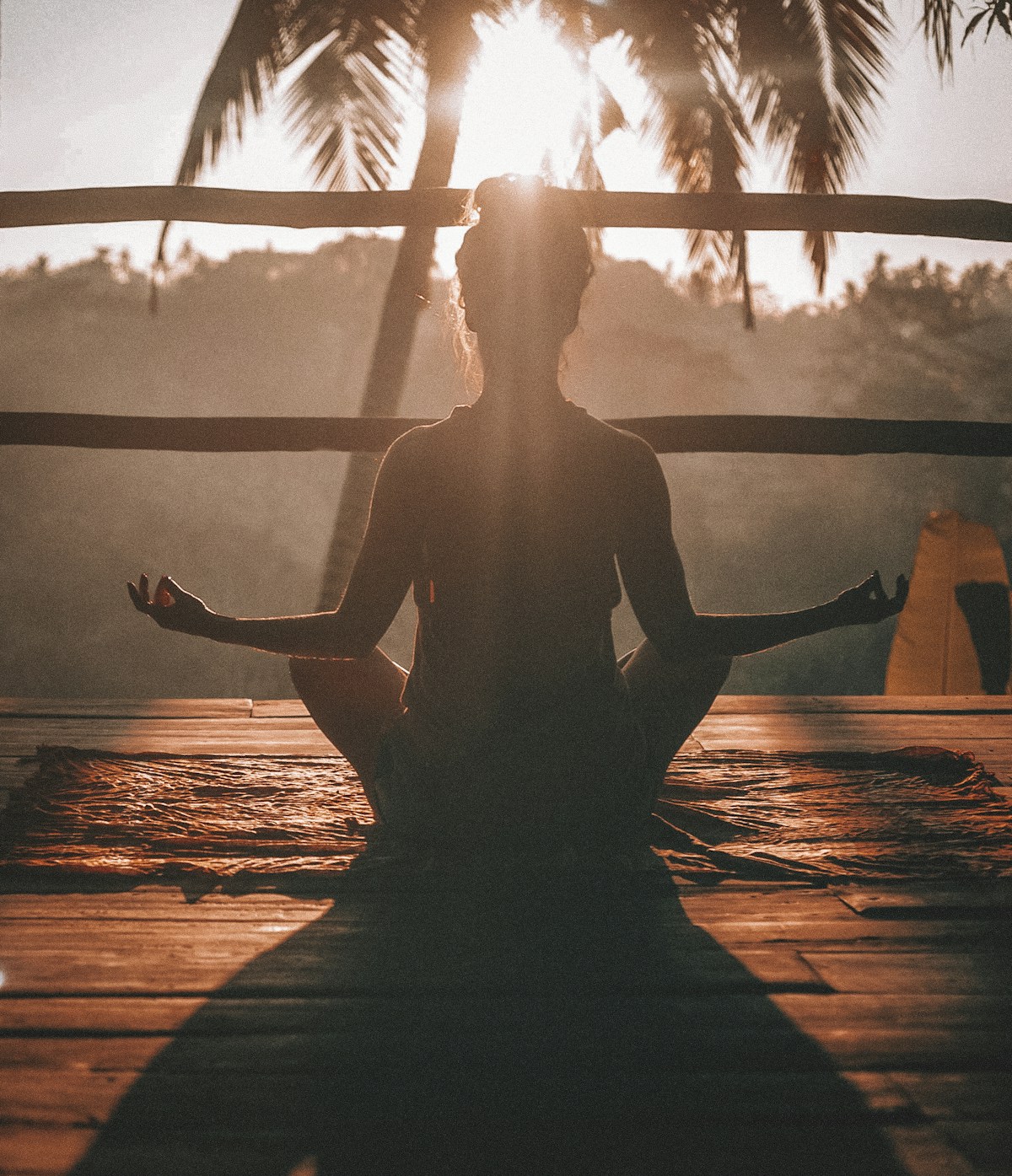
- Mindfulness Meditation: Mindfulness meditation involves focusing on the present moment, without judgment or distraction. By practicing mindfulness, you can reduce stress and improve your overall well-being. Try using a guided meditation app or simply paying attention to your breath.
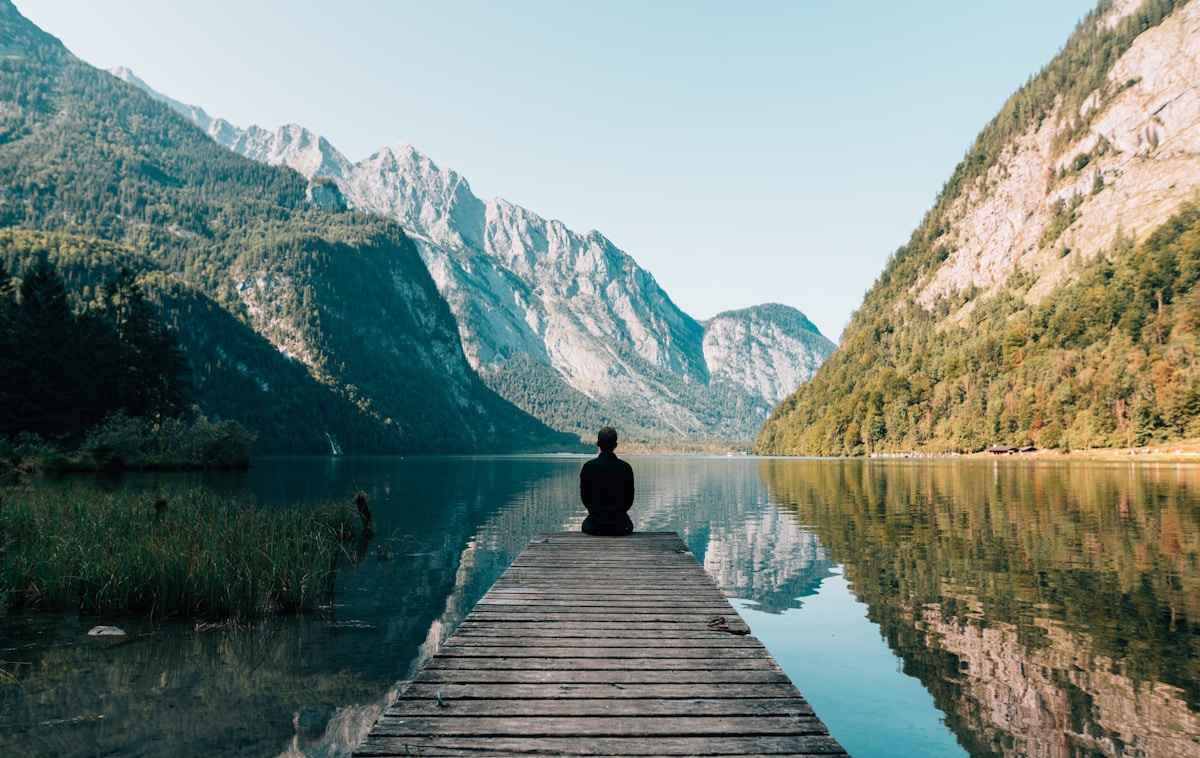
- Connect with Nature: Spending time in nature can be a powerful stress-reducer, whether it's walking in a park, hiking in the woods, or simply sitting in a garden. Try to spend at least 30 minutes outside each day to reduce stress and improve your mood.
- Healthy Eating: A healthy diet can help reduce stress and improve your overall well-being. Try to eat a balanced diet that includes plenty of fruits, vegetables, whole grains, and lean protein sources. Avoid sugary and processed foods that can exacerbate stress.
- Get Enough Sleep: Sleep is essential for managing stress and anxiety. Aim for 7-9 hours of sleep each night and establish a consistent sleep routine to improve your overall well-being.
- Laughter and Social Connection: Laughter and social connection are powerful stress-reducers, whether it's spending time with friends and family or watching a funny movie. Try to schedule social activities into your daily routine to reduce stress and improve your mood.
- Journaling and Reflection: Writing down your thoughts and feelings can be a powerful way to process and release stress. Try to set aside 10-15 minutes each day to journal and reflect on your experiences.
A Real-Life Example
Let's consider an example of how these tips can be applied in real life. Sarah, a busy working mom, was feeling overwhelmed and stressed out by her job and family responsibilities. She decided to start practicing deep breathing exercises during her daily commute, listening to guided meditations on her phone. She also started taking a 30-minute walk in the park each day, connecting with nature and clearing her mind. By making these small changes, Sarah was able to reduce her stress levels and improve her overall well-being.
Conclusion
Managing stress is a journey, not a destination. By incorporating these 8 natural tips into your daily routine, you can reduce stress and improve your overall well-being. Remember, it's all about making small changes that add up over time. Don't be too hard on yourself if you don't see immediate results – simply keep practicing, and you'll be on your way to a happier, healthier you. So take a deep breath, get outside, and start living the life you deserve.
When to Seek Professional Help
While these natural tips can be incredibly effective, there may be times when you need to seek professional help. If you're experiencing chronic stress, anxiety, or depression, it's essential to consult with a therapist or mental health professional. They can provide you with personalized guidance, support, and therapy to help you manage your stress and improve your mental health. Don't hesitate to reach out for help – your mental health is just as important as your physical health, and seeking support is a sign of strength, not weakness.