Introduction to Anxiety and Its Impact
Anxiety is a common and often overwhelming experience that can affect anyone, regardless of their background or circumstances. It's that nagging feeling of worry or fear that can be all-consuming, making everyday tasks and interactions feel like insurmountable challenges. If you're struggling with anxiety, you're not alone. According to the World Health Organization, anxiety disorders are among the most common mental health issues worldwide, affecting millions of people each year.
Understanding Anxiety and Its Triggers
Anxiety can be triggered by a wide range of factors, including stress, trauma, genetics, and brain chemistry. It can manifest in different ways, from mild unease to full-blown panic attacks. The good news is that anxiety is treatable, and there are many natural ways to manage and overcome it. In this article, we'll explore eight practical and actionable tips to help you deal with anxiety naturally.
8 Natural Ways to Calm Anxiety
Here are eight natural ways to calm anxiety and take control of your life:
- Deep Breathing Exercises: Deep breathing is a simple yet powerful technique to calm the mind and body. By focusing on slow, deliberate breaths, you can slow down your heart rate and reduce feelings of anxiety. Try inhaling for a count of four, holding your breath for a count of seven, and exhaling for a count of eight.
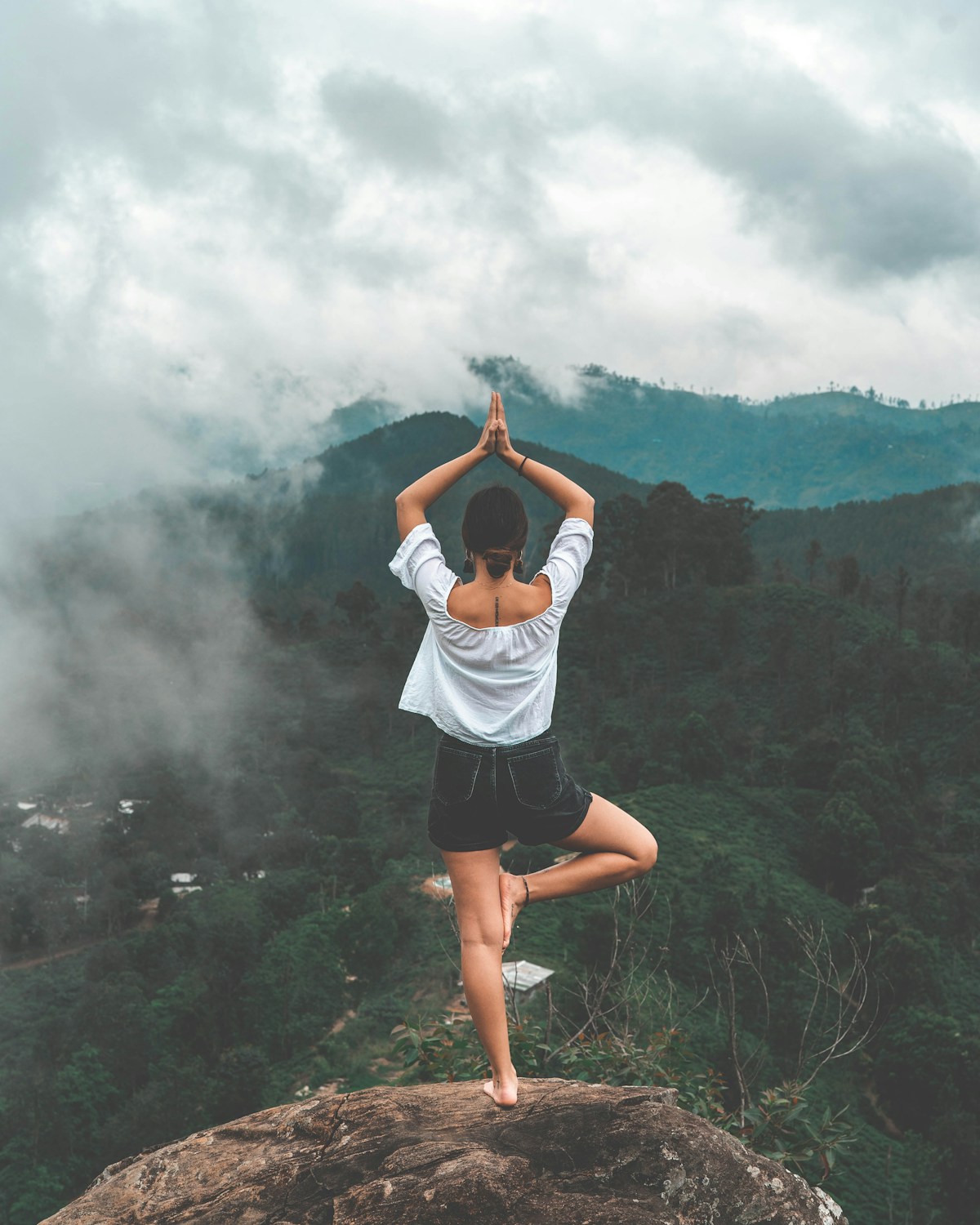
- Physical Exercise: Regular exercise is a natural anxiety-reducer. It releases endorphins, also known as "feel-good" hormones, which can help alleviate symptoms of anxiety. Find an activity you enjoy, whether it's walking, running, swimming, or yoga, and aim to do it for at least 30 minutes a day.
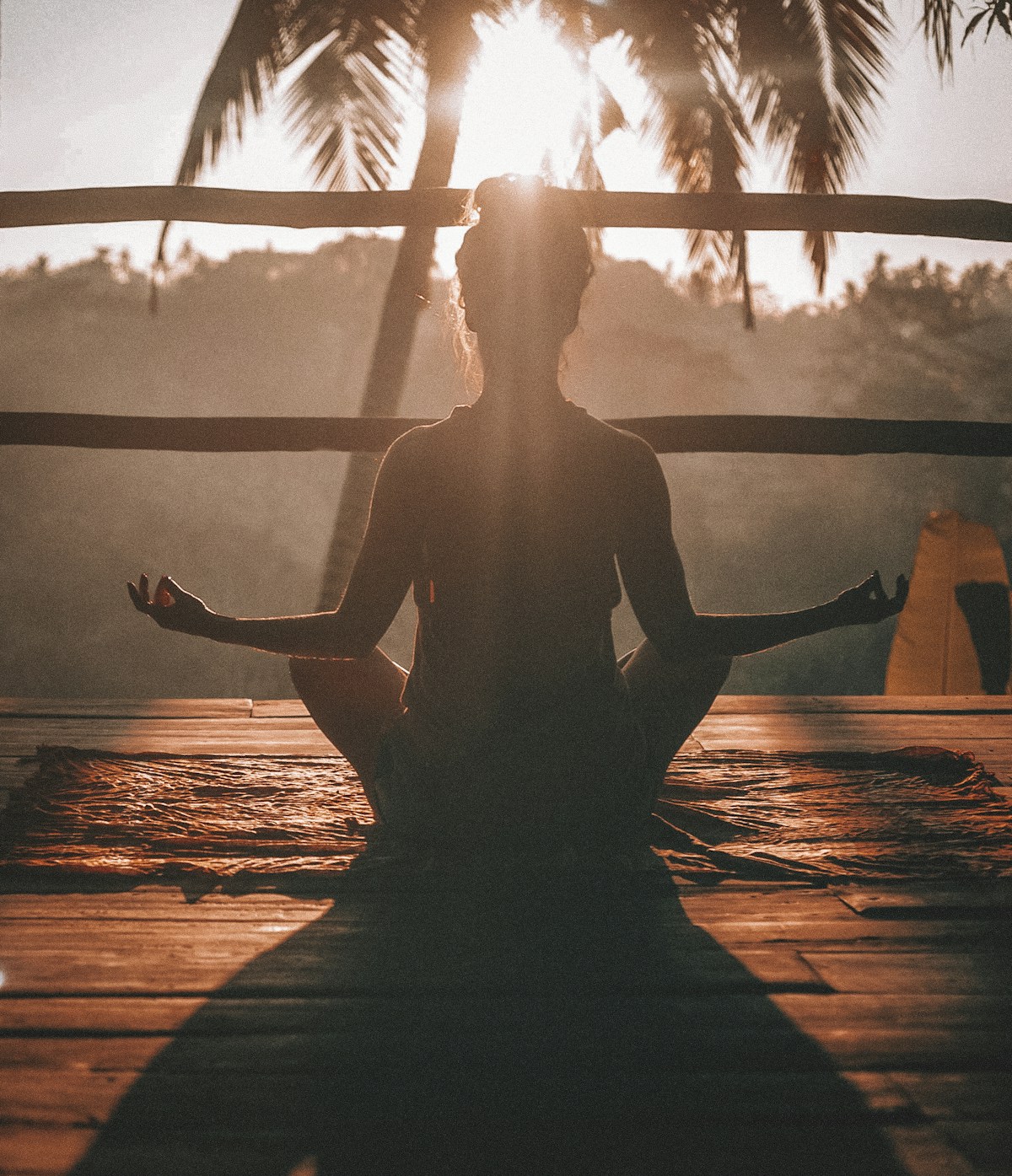
- Mindfulness Meditation: Mindfulness meditation involves focusing on the present moment, without judgment or distraction. This can help you become more aware of your thoughts and emotions, allowing you to manage anxiety more effectively. You can start with guided meditation apps like Headspace or Calm.
- Grounding Techniques: Grounding techniques involve focusing on your five senses to bring yourself back to the present moment. For example, you can notice the sensation of your feet on the ground, the sounds around you, or the sensation of the air on your skin. This can help you feel more connected to your body and reduce feelings of anxiety.
- Journaling: Writing down your thoughts and feelings can be a therapeutic way to process and release anxiety. Try to journal at the same time each day, whether it's first thing in the morning or before bed. Reflect on your experiences, emotions, and gratitudes to gain a deeper understanding of yourself.
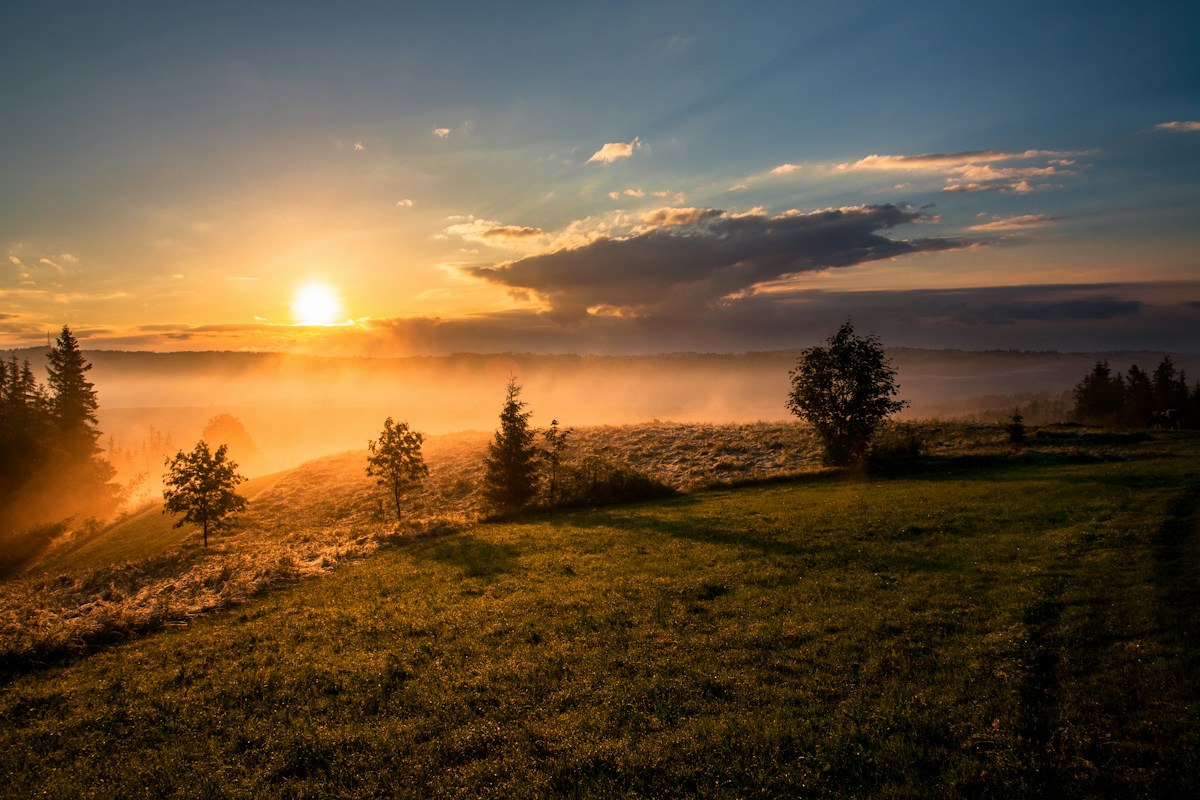
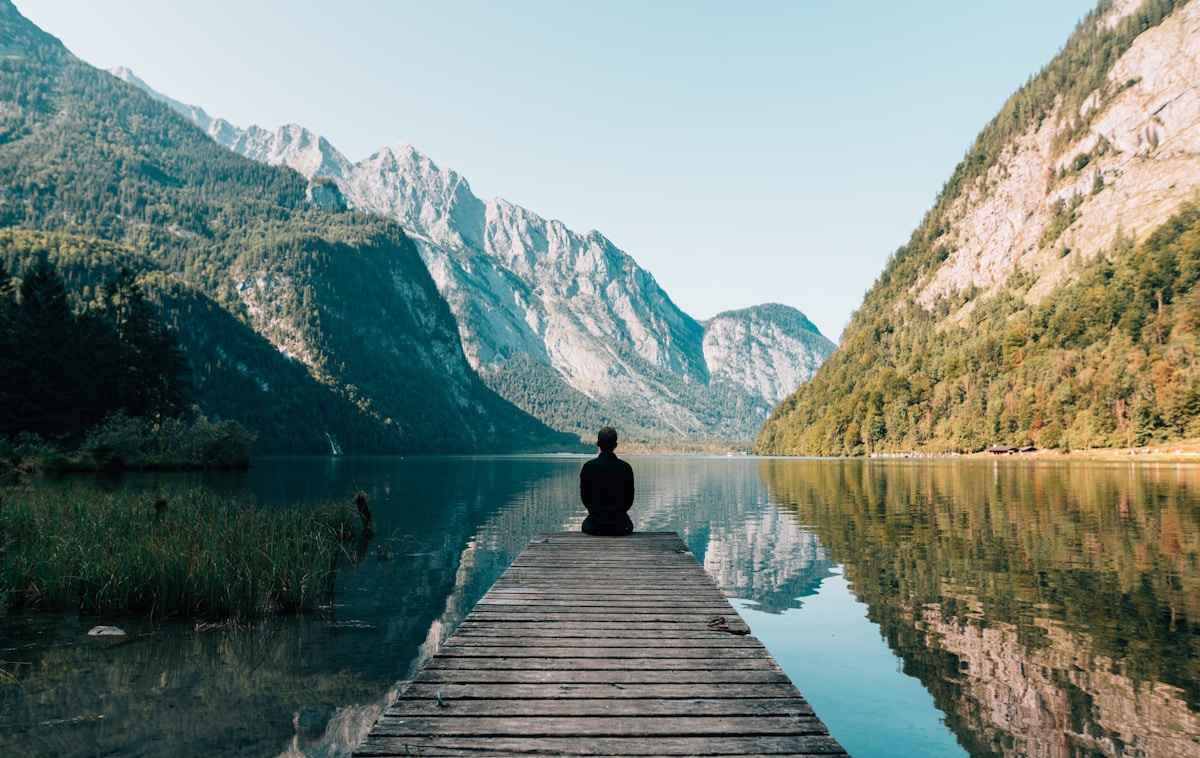
- Connect with Nature: Spending time in nature can be incredibly calming and restorative. Whether it's walking in a park, hiking in the woods, or simply sitting in a garden, being in nature can help you feel more grounded and at peace.
- Healthy Sleep Habits: Getting enough sleep is essential for managing anxiety. Aim for 7-8 hours of sleep each night and establish a consistent sleep routine. Avoid caffeine, electronics, and stimulating activities before bedtime to improve the quality of your sleep.
- Herbal Remedies: Certain herbal remedies, such as chamomile, lavender, and passionflower, have been shown to have a calming effect on the nervous system. You can consume them as teas, supplements, or essential oils, but always consult with a healthcare professional before using any new remedies.
A Real-Life Example of Overcoming Anxiety
Sarah, a 30-year-old marketing manager, used to experience debilitating anxiety attacks before presentations. She would feel her heart racing, her mind going blank, and her body shaking uncontrollably. One day, she decided to try deep breathing exercises and mindfulness meditation to calm her nerves. She started practicing these techniques regularly, and soon she noticed a significant reduction in her anxiety levels. On the day of her next big presentation, Sarah took a few minutes to breathe deeply, focus on her body, and visualize a successful outcome. She delivered her presentation with confidence and poise, and received positive feedback from her colleagues. Sarah's experience shows that with the right tools and mindset, it's possible to overcome anxiety and achieve your goals.
Conclusion: Taking Control of Your Anxiety
Anxiety may be a common experience, but it doesn't have to control your life. By incorporating these eight natural tips into your daily routine, you can reduce your anxiety levels, improve your mental well-being, and increase your overall sense of calm and confidence. Remember, overcoming anxiety is a journey, and it's okay to take it one step at a time. Be patient, kind, and compassionate with yourself as you work towards a more peaceful and fulfilling life.
When to Seek Professional Help
While these natural tips can be incredibly helpful, it's essential to recognize when anxiety is severe or persistent. If you're experiencing any of the following symptoms, consider seeking professional help from a therapist or counselor: intense panic attacks, suicidal thoughts, or debilitating anxiety that interferes with your daily life. A mental health professional can provide you with personalized guidance, support, and therapy to help you manage your anxiety and achieve long-term recovery. Remember, seeking help is a sign of strength, not weakness, and it's the first step towards a happier, healthier you.