Introduction to Depression and Hope
Feeling depressed can be one of the most challenging and isolating experiences you might face. It's like carrying a heavy weight on your shoulders, making everyday tasks seem impossible. But here's the thing: you're not alone, and there is hope. Depression is a common mental health condition that affects millions of people worldwide, and with the right strategies and support, you can learn to manage your symptoms and start feeling better.
Understanding Depression
Depression is more than just feeling sad or blue. It's a complex condition that can affect your mood, energy levels, appetite, sleep, and overall well-being. It can be triggered by a combination of genetic, environmental, and psychological factors, and it's not something you can simply "snap out of." However, by acknowledging your feelings and taking small steps towards recovery, you can start to break free from the darkness of depression.
Practical Tips to Feel Better
So, what can you do to start feeling better when depressed? Here are some practical and actionable tips to get you started:
- Get moving: Exercise is a natural mood booster. It releases endorphins, which can help alleviate symptoms of depression. You don't need to become a fitness enthusiast; even a short walk or some light stretching can make a difference.
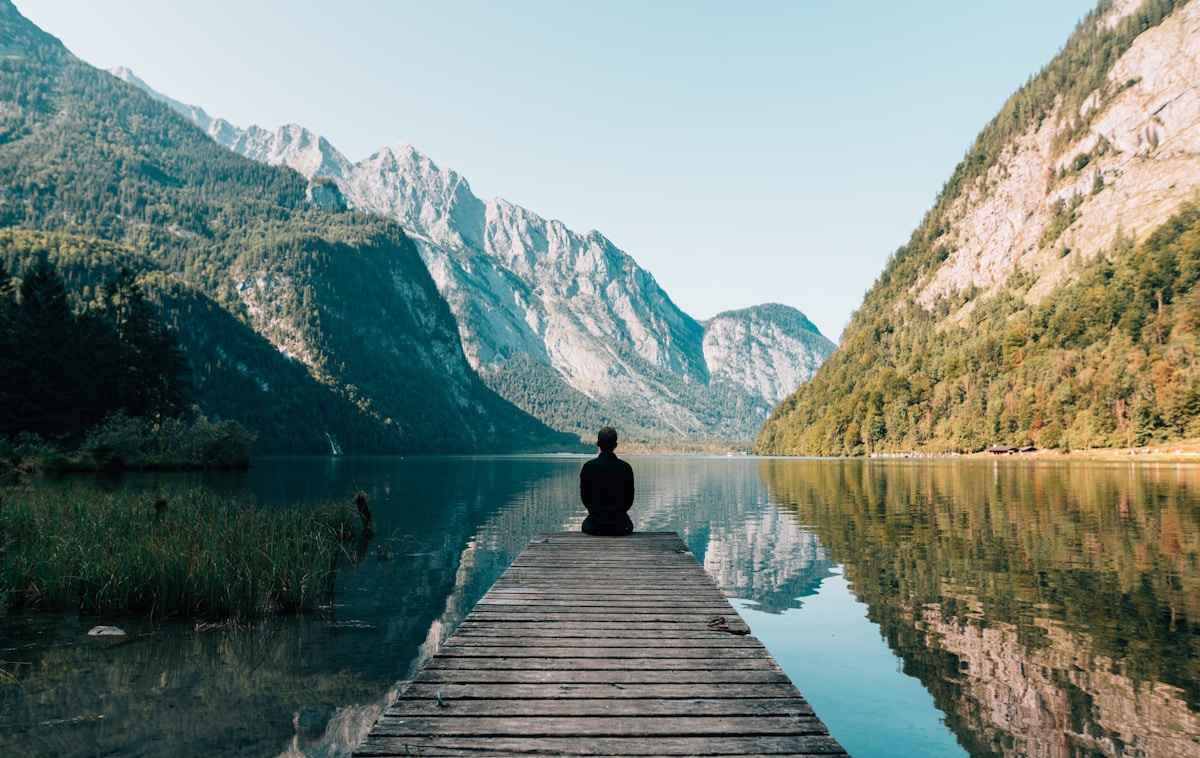
- Connect with nature: Spending time in nature can be incredibly uplifting. Take a walk in a park, go for a hike, or simply sit in a garden or on a balcony with some plants. Being in nature can help you feel more grounded and calm.
- Practice self-care: Take care of your physical and emotional needs. Make sure you're getting enough sleep, eating nutritious food, and engaging in activities that bring you joy. Whether it's reading, listening to music, or taking a relaxing bath, prioritize self-care and make time for it in your daily routine.
- Reach out to a friend or loved one: Social support is crucial when you're feeling depressed. Don't be afraid to reach out to a friend or family member and talk to them about how you're feeling. Sometimes, just sharing your emotions with someone who cares about you can make a big difference.
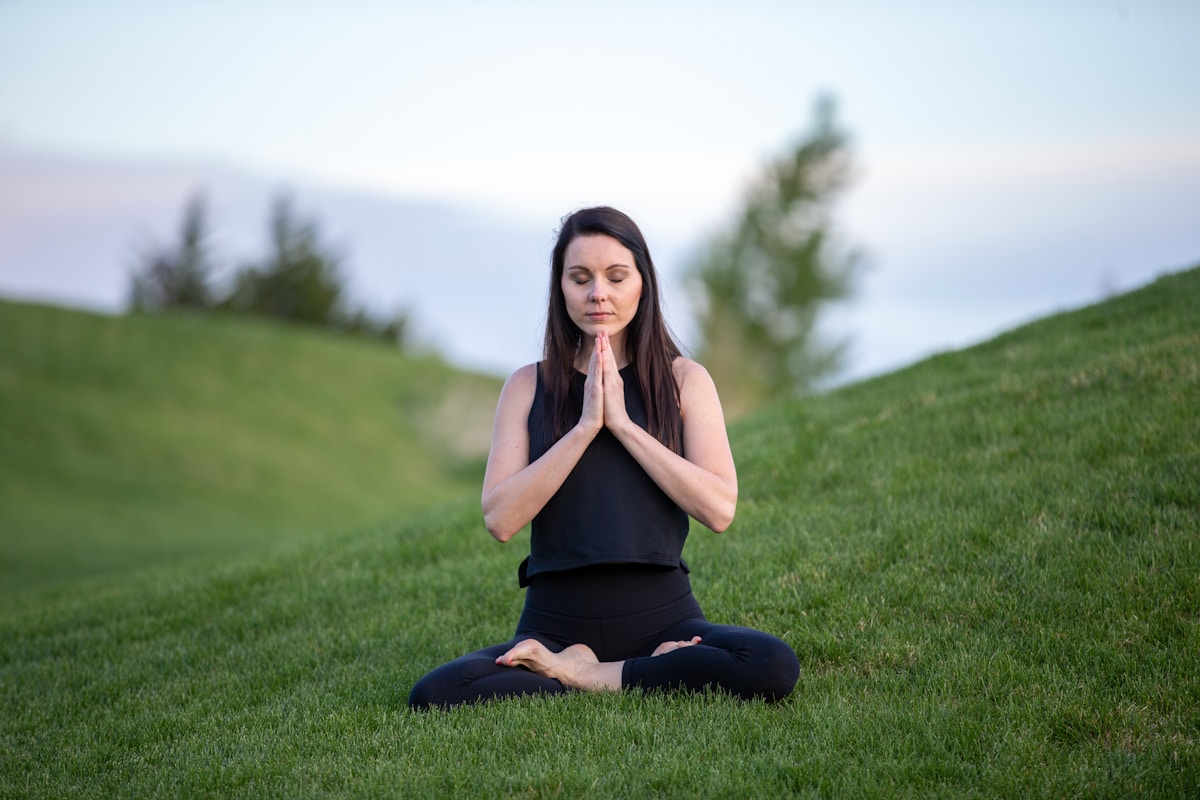
- Try mindfulness and meditation: Mindfulness and meditation can help you stay present and focused on the moment, rather than getting caught up in negative thoughts and emotions. You can find plenty of guided meditations online or through apps like Headspace or Calm.
- Engage in creative activities: Creative expression can be a powerful way to process and cope with emotions. Whether it's painting, drawing, writing, or playing music, make time for creative activities that bring you joy and help you express yourself.
- Set small, achievable goals: When you're feeling depressed, it can be hard to motivate yourself to do anything. Start by setting small, achievable goals, like taking a shower, going for a short walk, or doing a load of laundry. Celebrate your successes, no matter how small they may seem.
- Practice gratitude: Focus on the things you're grateful for, rather than dwelling on negative thoughts. Keep a gratitude journal, write down three things you're thankful for each day, or share your gratitude with a friend or loved one.
A Real-Life Example
Let's say you're feeling overwhelmed and depressed after a recent break-up. You're struggling to get out of bed, and the thought of facing the day ahead feels impossible. Start by setting a small goal, like getting out of bed and making yourself a cup of coffee. Then, take a short walk outside, even if it's just around the block. As you walk, notice the sights and sounds around you, and try to focus on the present moment. When you get back home, write down three things you're grateful for, like a supportive friend, a cozy home, or a good cup of coffee. These small steps can help you build momentum and start feeling better.
Conclusion
Feeling depressed can be a difficult and challenging experience, but it's not a sign of weakness, and it's not something you have to face alone. By taking small steps towards recovery, practicing self-care, and reaching out for support, you can start to break free from the darkness of depression. Remember, recovery is a journey, and it's okay to take things one step at a time. Be patient with yourself, stay hopeful, and know that you are capable of feeling better.
When to Seek Professional Help
While the tips outlined above can be helpful in managing mild to moderate depression, it's essential to seek professional help if you're experiencing severe symptoms, such as suicidal thoughts, intense anxiety, or difficulty functioning in daily life. A therapist or counselor can provide you with personalized guidance, support, and evidence-based treatments to help you manage your symptoms and improve your mental health. Don't hesitate to reach out for help – it's a sign of strength, not weakness. Remember, you deserve to feel better, and with the right support, you can start to break free from the darkness of depression and live a happier, healthier life.