Introduction to Stress Reduction
Are you tired of feeling overwhelmed, anxious, and stressed out all the time? You're not alone. Stress has become a constant companion for many of us, affecting our mental and physical health, relationships, and overall well-being. The good news is that there are many natural ways to reduce stress and find your inner calm. In this blog post, we'll explore 7 practical and actionable tips to help you manage stress and live a more balanced life.
Understanding Stress and Its Effects
Before we dive into the tips, let's take a quick look at what stress is and how it affects our bodies. Stress is a natural response to a perceived threat or pressure. When we feel stressed, our body's "fight or flight" response is triggered, releasing hormones like adrenaline and cortisol. While these hormones can help us respond to immediate dangers, chronic stress can lead to a range of health problems, including anxiety, depression, insomnia, and a weakened immune system.
7 Natural Ways to Reduce Stress
Now, let's get to the good stuff! Here are 7 natural ways to reduce stress and find your inner calm:
- Deep Breathing Exercises: Deep breathing is a simple yet powerful technique to calm your mind and body. Take slow, deep breaths in through your nose and out through your mouth, focusing on the sensation of the breath. Try inhaling for a count of 4, holding for 2, and exhaling for 6.
- Physical Activity: Regular exercise is a great way to reduce stress and anxiety. Find an activity you enjoy, whether it's walking, running, swimming, or dancing, and make it a part of your daily routine. Exercise releases endorphins, also known as "feel-good" hormones, which can help improve your mood and reduce stress.
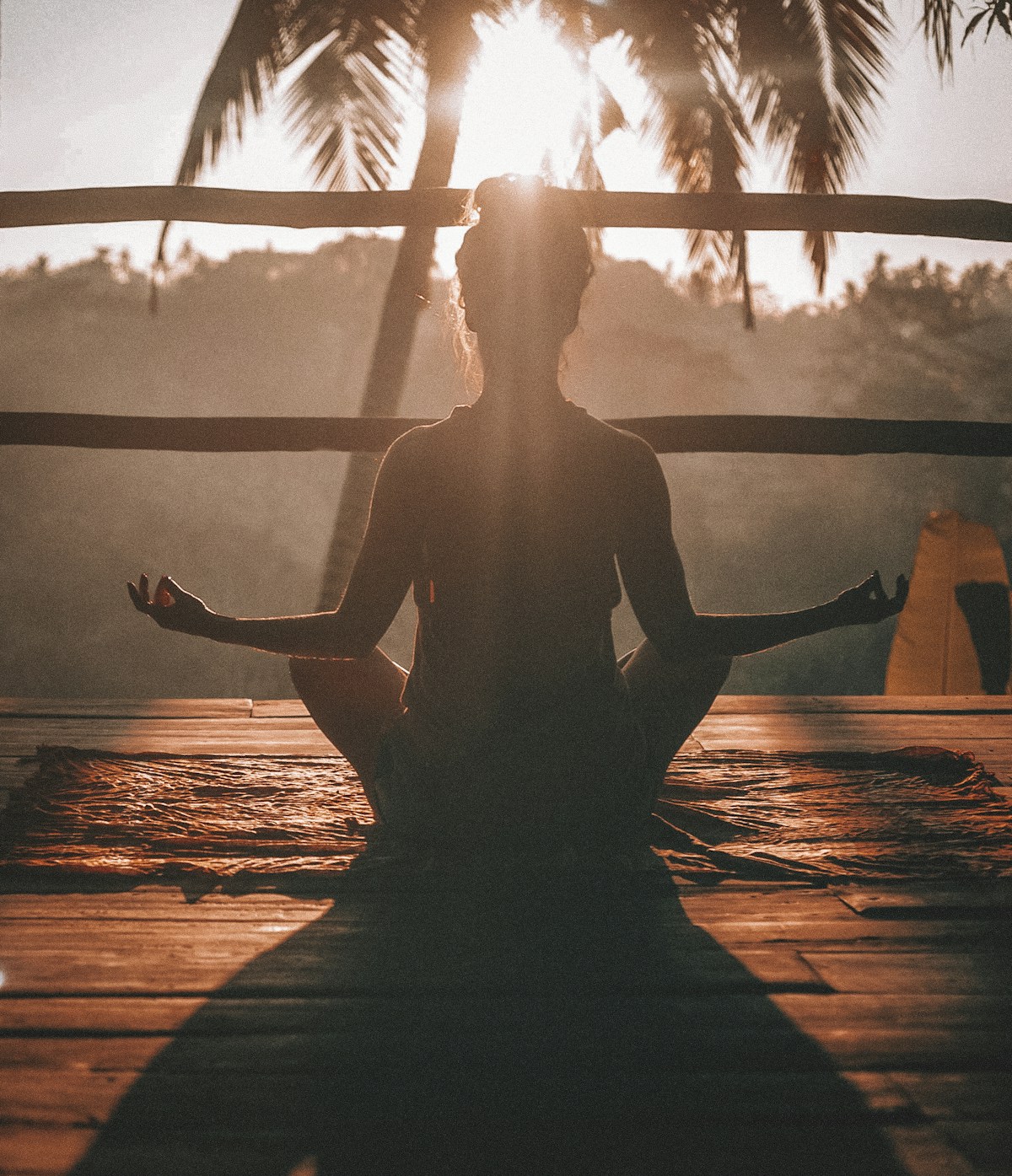
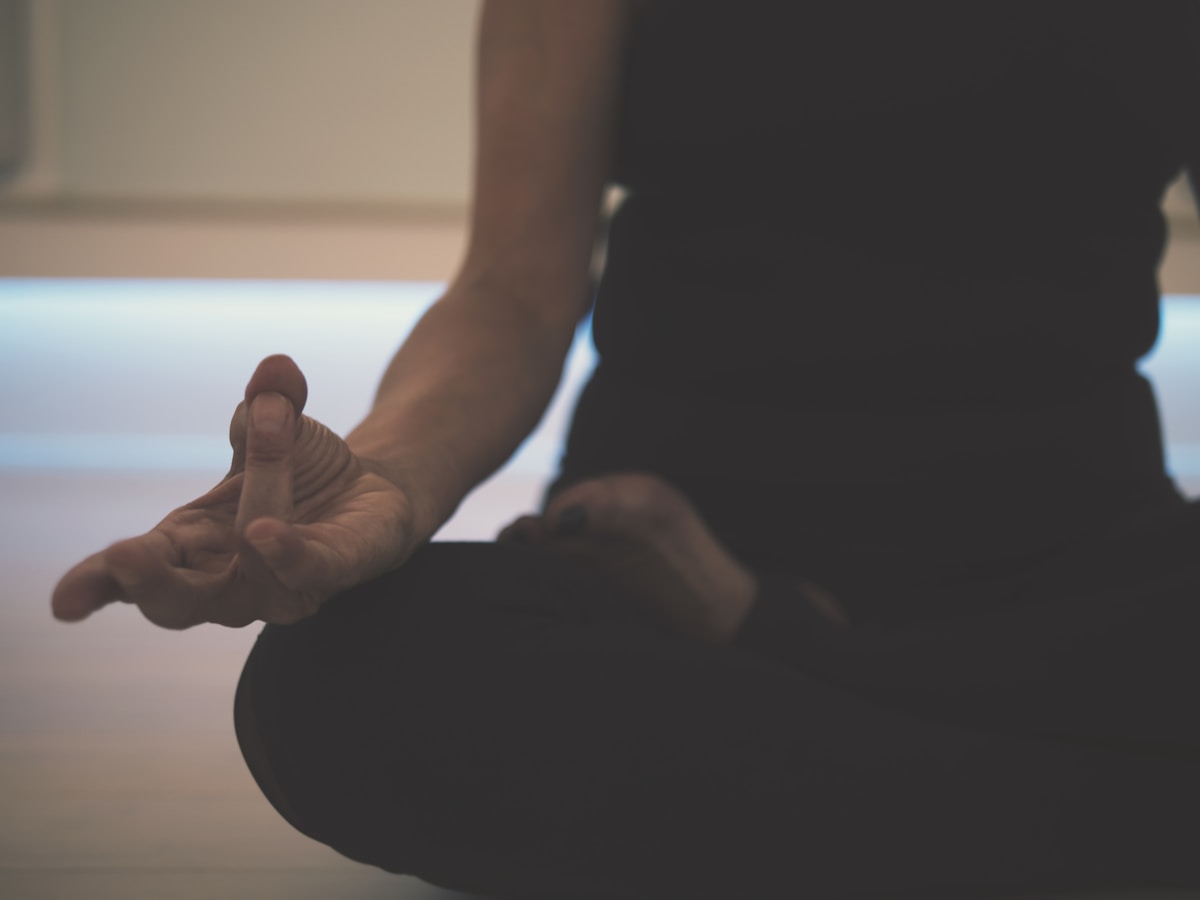
- Mindfulness Meditation: Mindfulness meditation involves paying attention to the present moment, without judgment. Sit comfortably, close your eyes, and focus on your breath, a mantra, or a physical sensation in your body. Start with short sessions of 5-10 minutes and gradually increase as you become more comfortable with the practice.
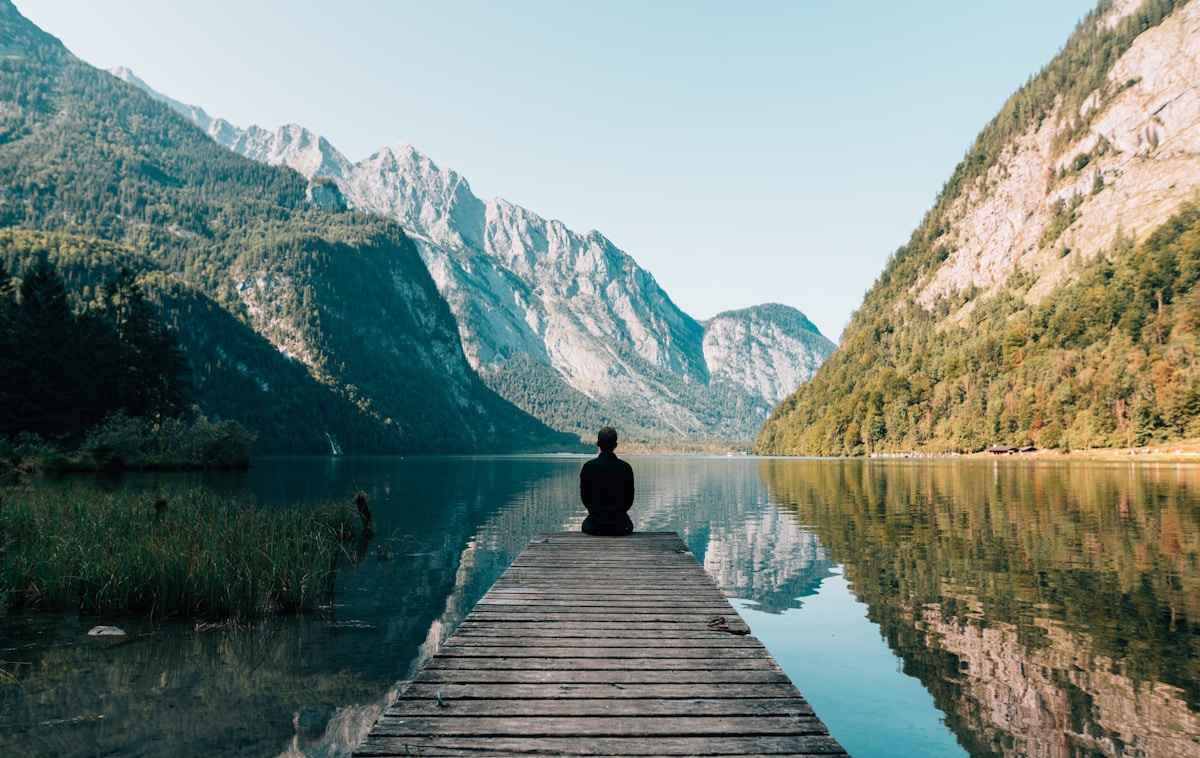
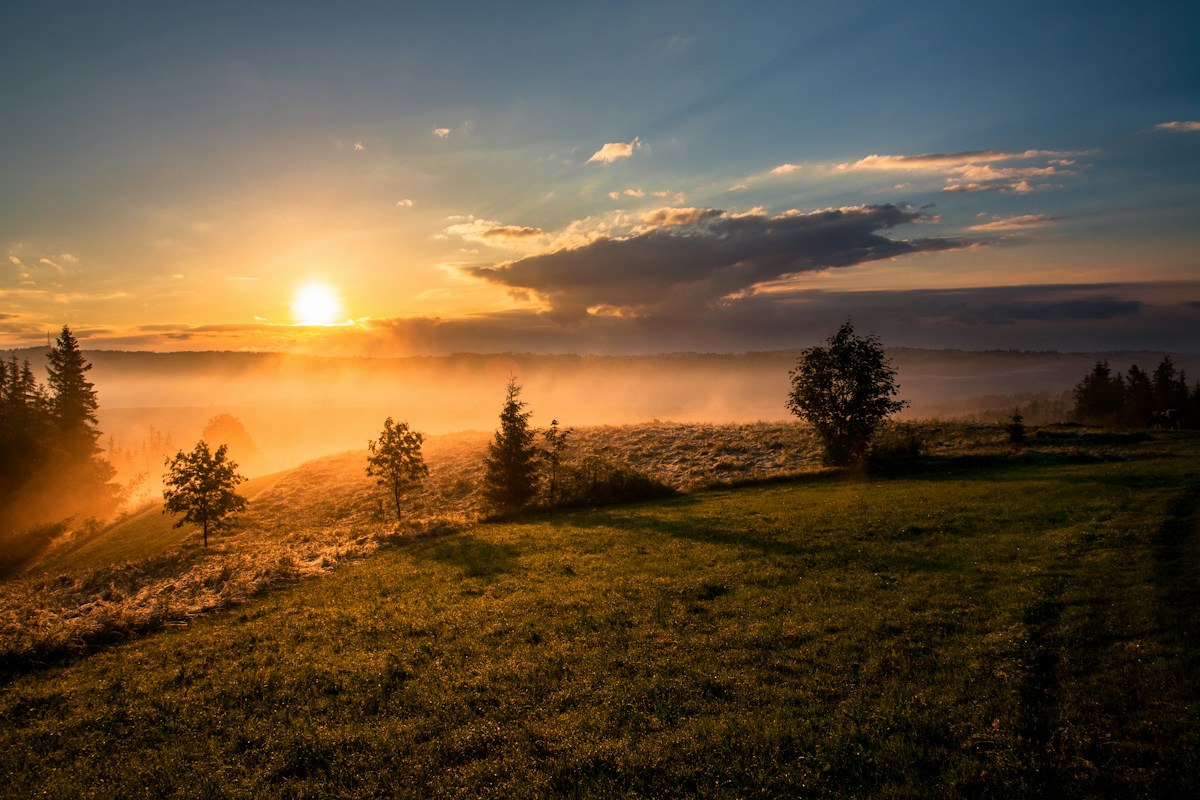
- Connect with Nature: Spending time in nature can be incredibly calming and restorative. Take a walk in a park, go for a hike, or simply sit in a garden or on a balcony with plants. Being in nature can help reduce stress, improve mood, and boost vitamin D levels.
- Journaling: Writing down your thoughts, feelings, and concerns can be a great way to process and release stress. Try to set aside 10-15 minutes each day to journal, reflecting on your experiences, gratitudes, and goals.
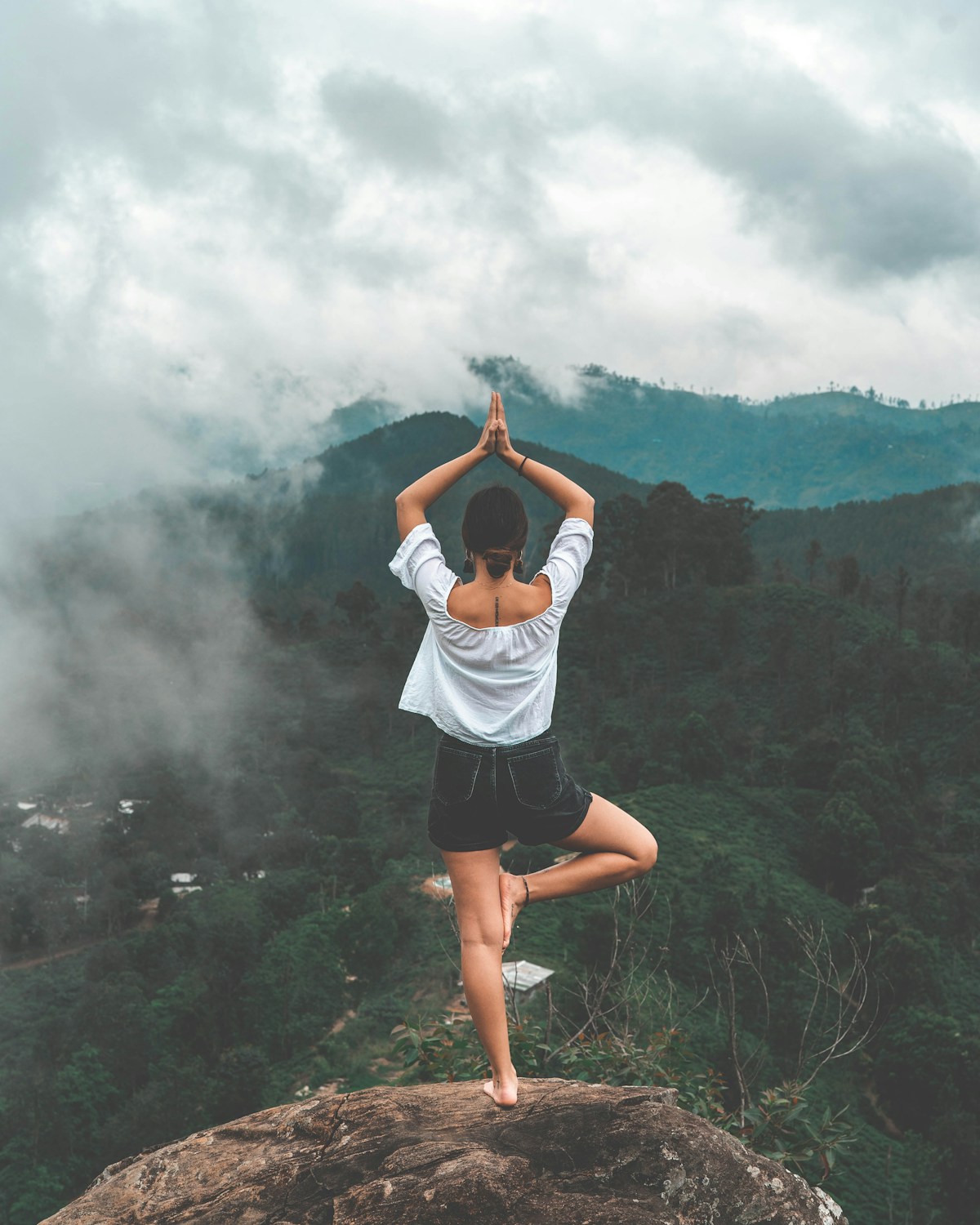
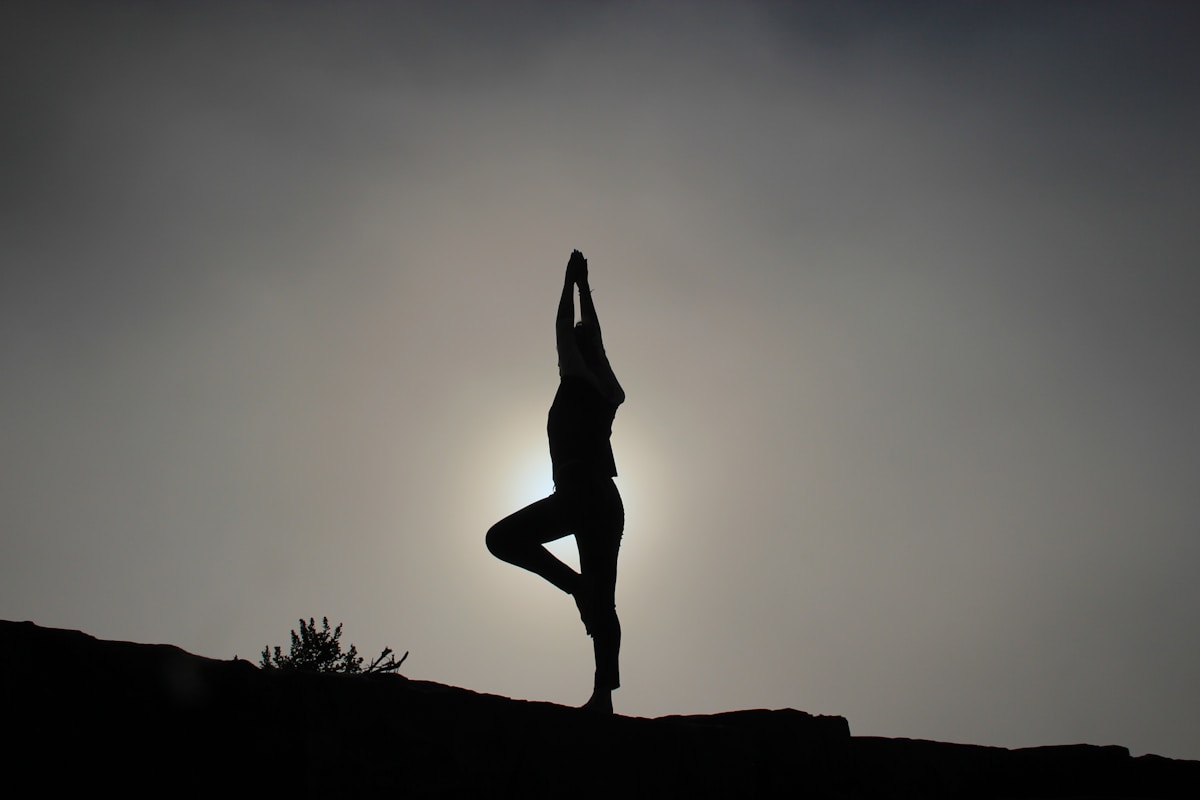
- Yoga and Stretching: Yoga and stretching can help reduce physical tension, improve flexibility, and calm the mind. Find a yoga class, follow online tutorials, or practice simple stretches at home, such as shoulder rolls, neck stretches, and hip openers.
- Listen to Music: Music has a profound impact on our emotions and can be a great stress-reducer. Create a playlist of calming music, nature sounds, or white noise, and listen to it when you feel anxious or overwhelmed.
A Real-Life Example
I remember a particularly stressful period in my life when I was working long hours, dealing with a difficult project, and struggling to balance my personal life. I felt overwhelmed, anxious, and exhausted all the time. One day, I decided to take a walk in a nearby park during my lunch break. The fresh air, sunshine, and sound of birds singing immediately lifted my mood and calmed my mind. I started to incorporate short walks into my daily routine, and soon found that I was better able to manage my stress and focus on my work. This small change made a big difference in my overall well-being and productivity.
Conclusion
Reducing stress and finding your inner calm is a journey, not a destination. It takes time, effort, and patience, but the rewards are well worth it. By incorporating these 7 natural tips into your daily routine, you can start to feel more balanced, centered, and resilient. Remember, stress is a normal part of life, but it doesn't have to control your life. Take a deep breath, get moving, and connect with the world around you. You got this!
When to Seek Professional Help
While these natural tips can be incredibly helpful, there are times when stress and anxiety can be overwhelming and debilitating. If you're experiencing any of the following, it may be time to seek professional help: persistent feelings of hopelessness, difficulty sleeping or concentrating, increased substance use, or thoughts of self-harm. A therapist or counselor can provide you with personalized guidance, support, and coping strategies to manage your stress and improve your mental health. Don't hesitate to reach out for help – you deserve to live a happy, healthy, and stress-free life.