Introduction to Anxiety and Its Impact
Anxiety is a common emotional state that can affect anyone, regardless of their background or circumstances. It's that nagging feeling of worry, fear, or apprehension that can be overwhelming and interfere with your daily life. If you're struggling with anxiety, you're not alone. Millions of people worldwide experience anxiety, and it's essential to know that there are natural ways to manage it. In this blog post, we'll explore practical tips to help you deal with anxiety naturally, so you can breathe easy and live a more fulfilling life.
Understanding Anxiety
Before we dive into the tips, it's crucial to understand what anxiety is and how it affects your body. Anxiety is a normal response to stress, but when it becomes excessive, it can lead to anxiety disorders. Anxiety can manifest physically, emotionally, and mentally, causing symptoms such as rapid heartbeat, sweating, trembling, and difficulty concentrating. It's essential to recognize the signs of anxiety and take action to manage it.
8 Natural Ways to Calm Anxiety
Here are 8 practical and actionable tips to help you deal with anxiety naturally:
- Deep Breathing Exercises: Deep breathing can help calm your mind and body. Take slow, deep breaths in through your nose and out through your mouth, focusing on the sensation of the breath. Try inhaling for a count of four, holding for a count of seven, and exhaling for a count of eight.
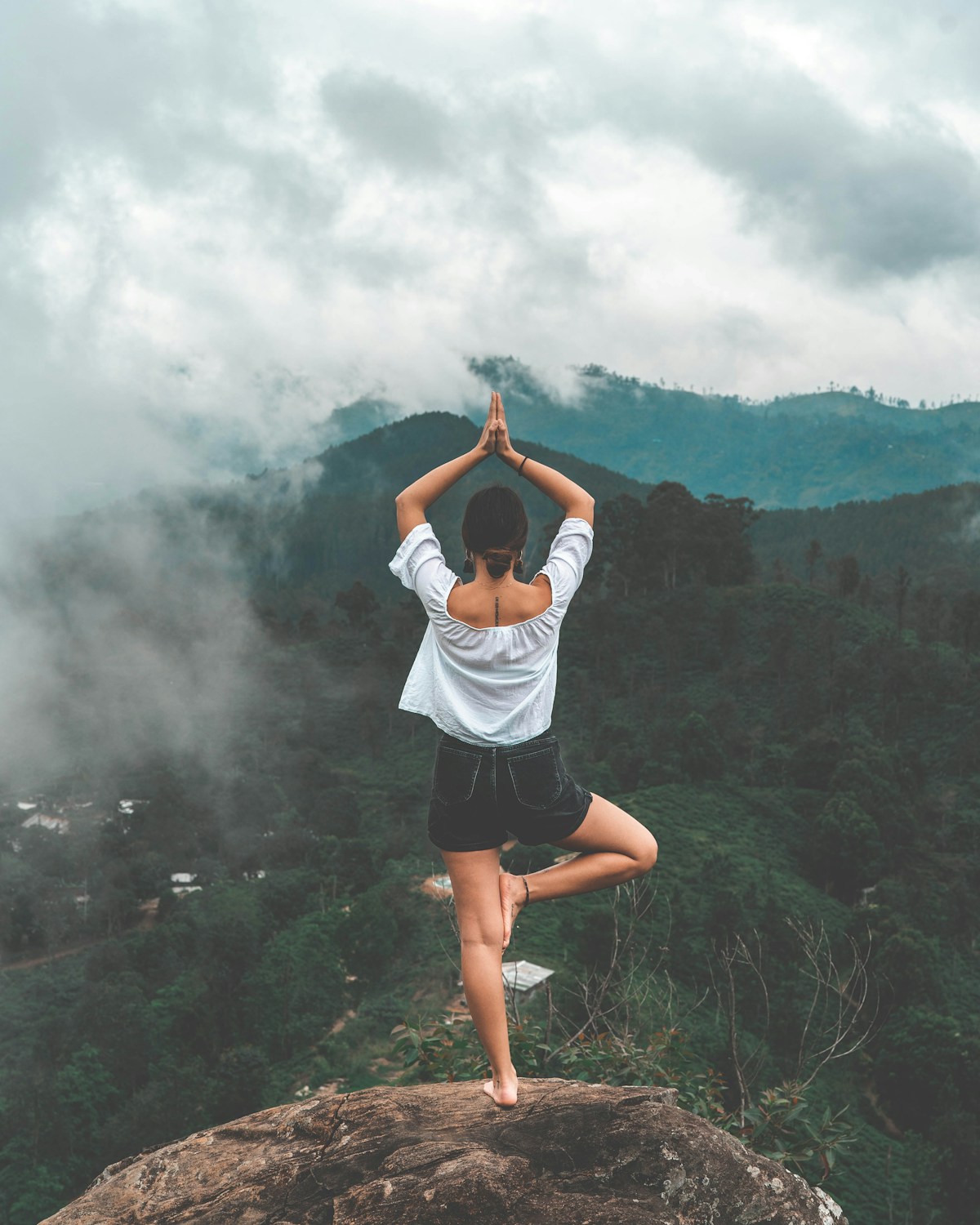
- Physical Activity: Regular exercise can help reduce anxiety by releasing endorphins, also known as "feel-good" hormones. Engage in physical activities that you enjoy, such as walking, running, swimming, or yoga, to help calm your mind and body.
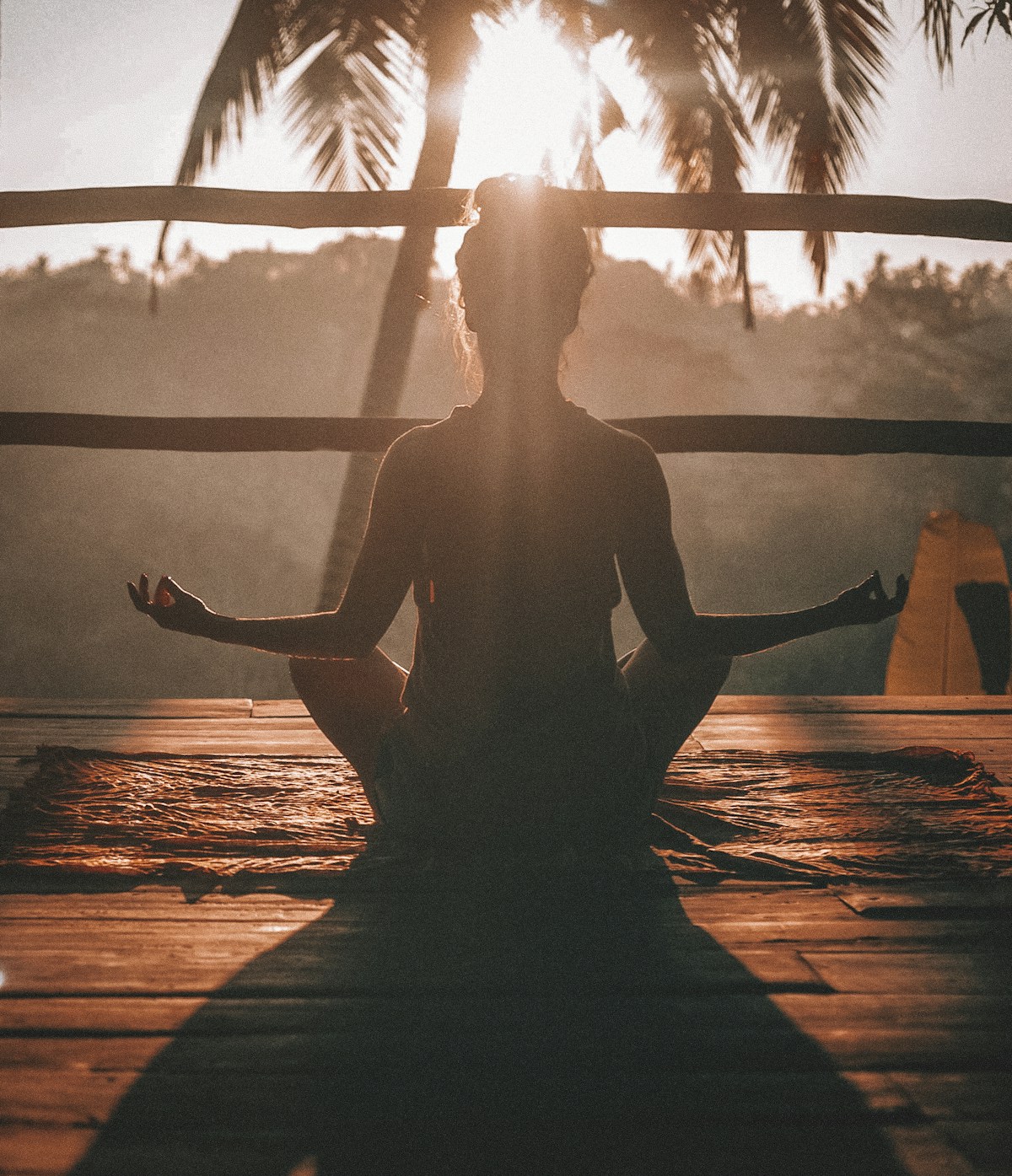
- Mindfulness Meditation: Mindfulness meditation involves focusing on the present moment, without judgment. Sit comfortably, close your eyes, and focus on your breath, a mantra, or a physical sensation in your body. Start with short sessions and gradually increase the duration as you become more comfortable with the practice.
- Progressive Muscle Relaxation: This technique involves tensing and relaxing different muscle groups in your body. Start with your toes and work your way up to your head, holding each muscle group for a few seconds before releasing. This can help release physical tension and promote relaxation.
- Journaling: Writing down your thoughts and feelings can help you process and release them. Set aside a few minutes each day to journal, reflecting on your experiences, thoughts, and emotions. This can help you identify patterns and gain insight into your anxiety.
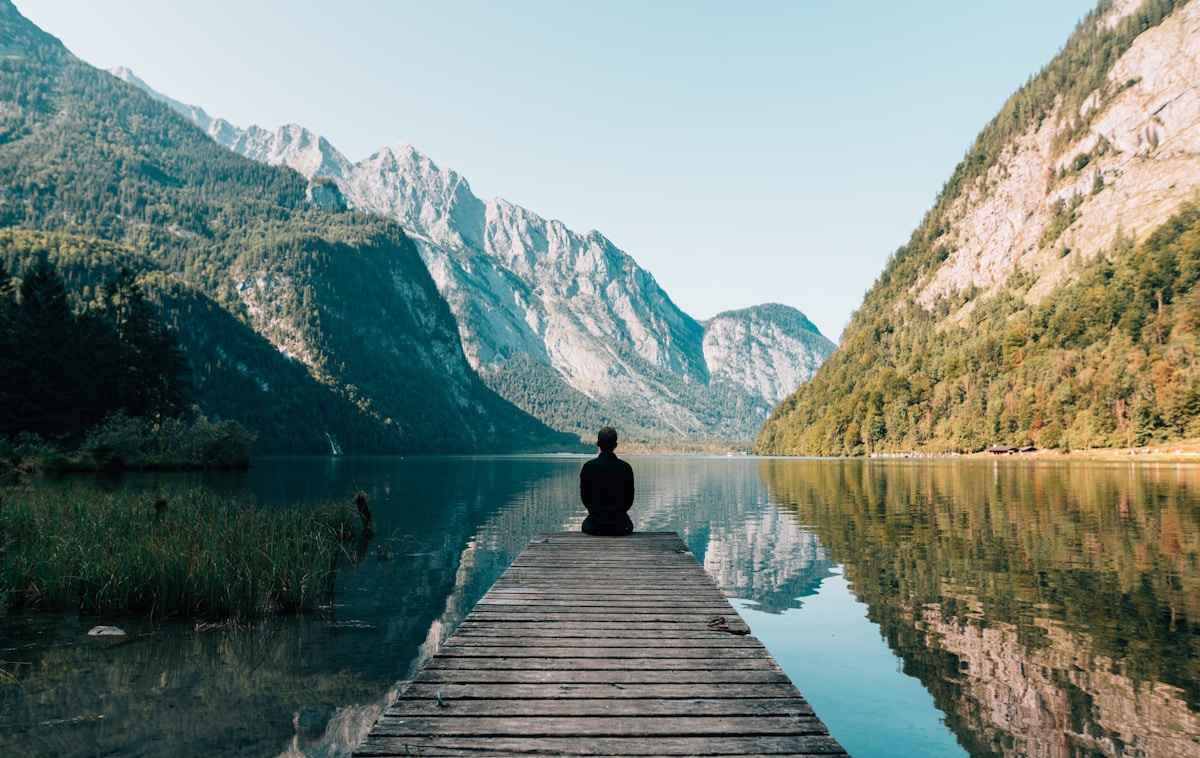
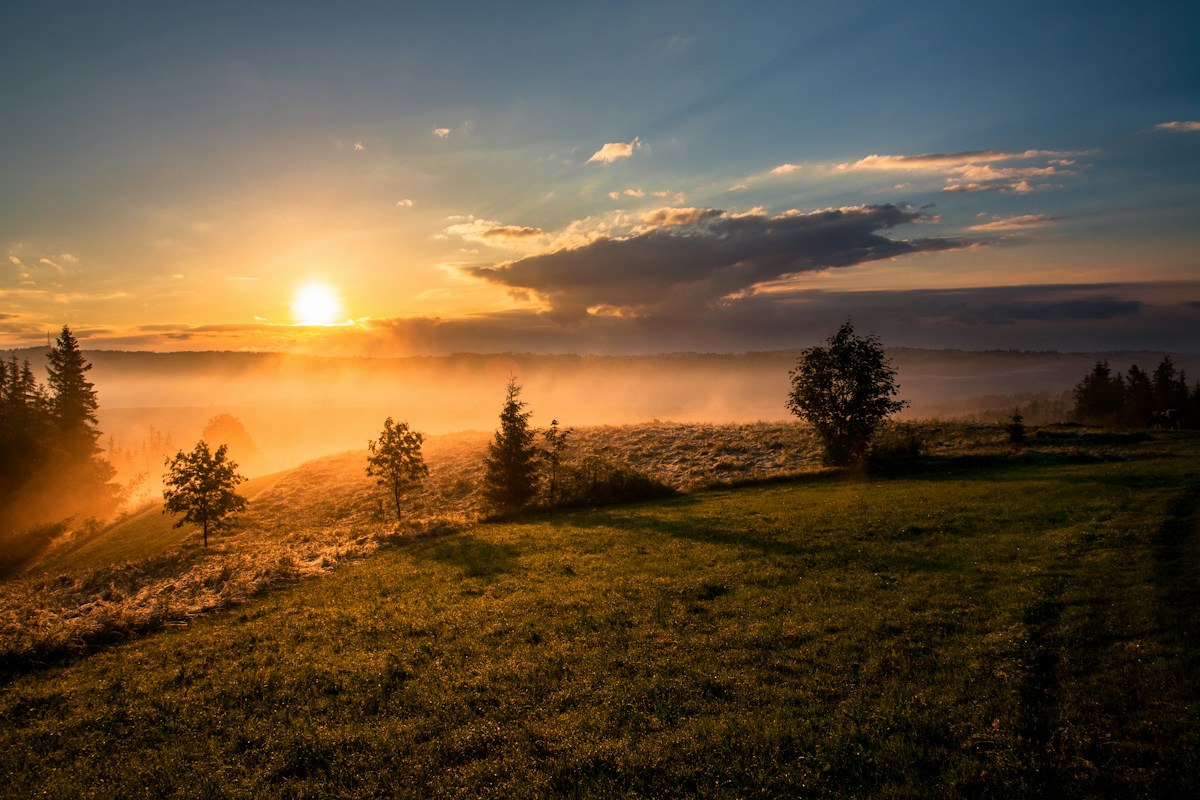
- Connect with Nature: Spending time in nature can be calming and grounding. Take a walk in a park, hike in the woods, or simply sit outside and soak up the sunshine. Being in nature can help you feel more connected to the world around you and reduce feelings of anxiety.
- Healthy Sleep Habits: Getting enough sleep is essential for managing anxiety. Establish a consistent sleep schedule, avoid caffeine and electronics before bedtime, and create a relaxing bedtime routine to help you wind down.
- Healthy Diet: Eating a balanced diet rich in whole foods, fruits, and vegetables can help support your mental health. Avoid sugary and processed foods that can exacerbate anxiety, and stay hydrated by drinking plenty of water throughout the day.
A Real-Life Example
Let's take the example of Sarah, a college student who was struggling with anxiety during her final year. She was overwhelmed with exams, assignments, and the pressure to secure a job after graduation. Sarah started practicing deep breathing exercises and mindfulness meditation to help calm her mind and body. She also made time for physical activity, such as yoga and walking, and connected with nature by taking short walks in the park. By incorporating these natural techniques into her daily routine, Sarah was able to manage her anxiety and feel more grounded and focused.
Conclusion
Dealing with anxiety naturally takes time, patience, and practice. By incorporating these 8 tips into your daily routine, you can take the first step towards managing your anxiety and living a more fulfilling life. Remember, anxiety is not a sign of weakness, and it's okay to ask for help when you need it. You are strong, capable, and deserving of a happy and healthy life. So, take a deep breath, be kind to yourself, and start your journey towards a more peaceful and anxiety-free life.
When to Seek Professional Help
While natural techniques can be effective in managing anxiety, there may be times when you need to seek professional help. If you're experiencing severe anxiety symptoms, such as panic attacks, suicidal thoughts, or difficulty functioning in your daily life, it's essential to consult with a therapist or counselor. A mental health professional can provide you with personalized guidance, support, and therapy to help you overcome your anxiety and live a more fulfilling life. Don't hesitate to reach out for help when you need it – you deserve to live a happy, healthy, and anxiety-free life.