Introduction to Anxiety
Anxiety is a common and debilitating condition that affects millions of people worldwide. It can manifest in different forms, such as generalized anxiety disorder, panic disorder, or social anxiety disorder, and can disrupt daily life, relationships, and overall well-being. While there are various medications and therapies available to manage anxiety, many people are turning to natural methods to cope with their symptoms. In this blog post, we'll explore 8 practical and actionable tips on how to deal with anxiety naturally.
Understanding Anxiety
Before we dive into the tips, it's essential to understand what anxiety is and how it affects the body. Anxiety is a normal response to stress, but when it becomes excessive and interferes with daily life, it can be a sign of an underlying condition. Anxiety can cause physical symptoms such as rapid heartbeat, sweating, and trembling, as well as emotional symptoms like feelings of fear, worry, and apprehension.
Natural Ways to Calm Anxiety
Fortunately, there are many natural ways to calm anxiety and reduce its symptoms. Here are 8 practical tips to get you started:
- Deep Breathing Exercises: Deep breathing can help slow down your heart rate and calm your mind. Try inhaling for a count of 4, holding your breath for a count of 7, and exhaling for a count of 8. Repeat this process several times a day.
- Regular Exercise: Exercise is a natural anxiety-reducer and can help improve mood and reduce stress. Aim for at least 30 minutes of moderate-intensity exercise per day, such as brisk walking, cycling, or swimming.
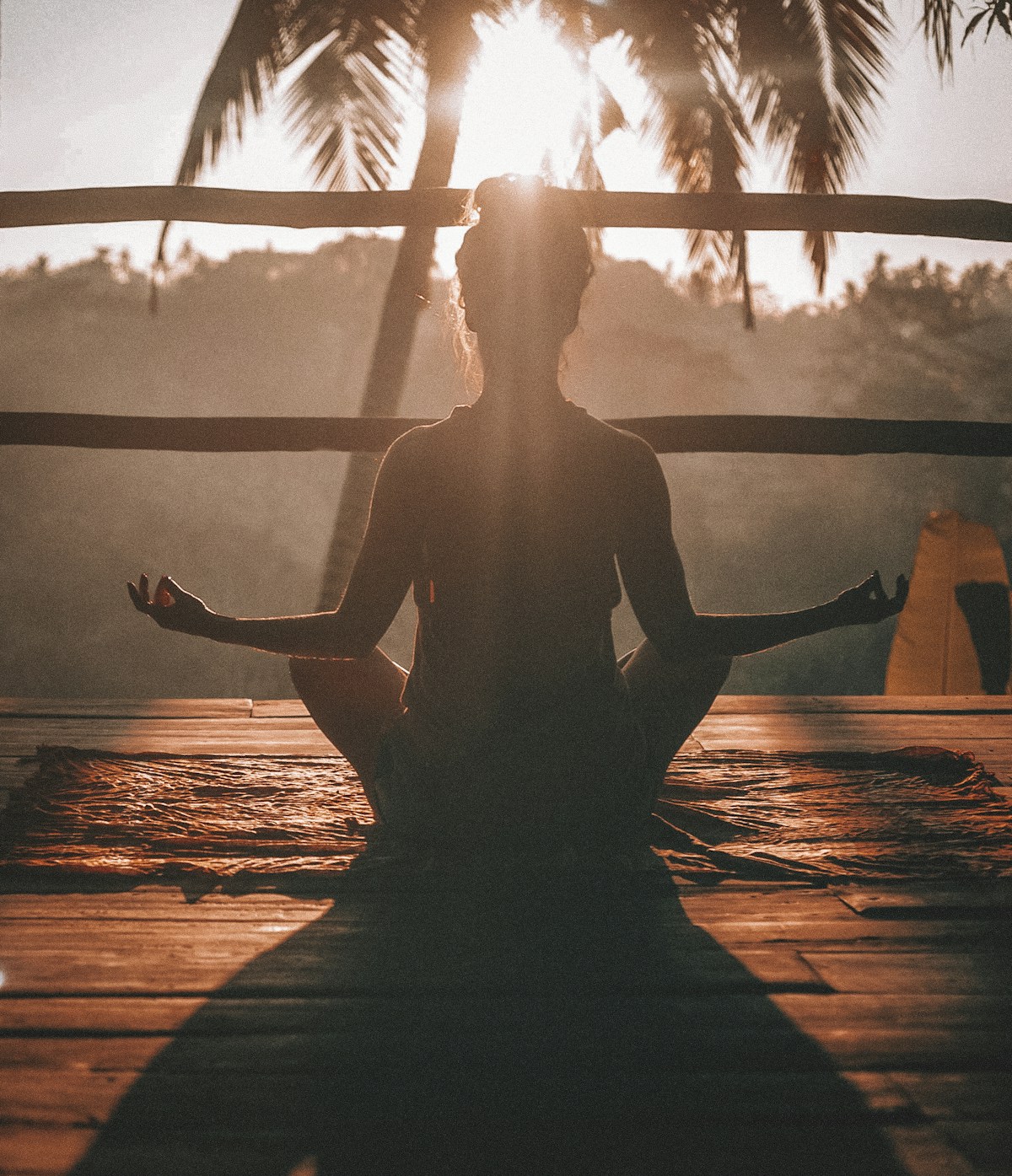
- Mindfulness Meditation: Mindfulness meditation involves focusing on the present moment and letting go of worries about the past or future. You can start with guided meditation apps like Headspace or Calm and gradually move to independent practice.
- Herbal Remedies: Certain herbs like chamomile, lavender, and passionflower have been shown to have a calming effect on the nervous system. You can consume them as teas, supplements, or essential oils.
- Journaling: Writing down your thoughts and feelings can help you process and release emotions related to anxiety. Try to journal at least 10-15 minutes per day, focusing on the present moment and letting go of worries.
- Grounding Techniques: Grounding techniques involve focusing on the five senses to bring yourself back to the present moment. For example, notice the sensation of your feet on the ground, the sounds around you, or the sensation of the air on your skin.
- Social Support: Connecting with friends, family, or a support group can help you feel less isolated and more supported. Don't be afraid to reach out to loved ones or join a community group to build relationships and cope with anxiety.
- Aromatherapy: Certain scents like bergamot, frankincense, and ylang-ylang can have a calming effect on the nervous system. Use essential oils in a diffuser, apply them topically, or inhale them directly from a cloth or handkerchief.
A Real-Life Example
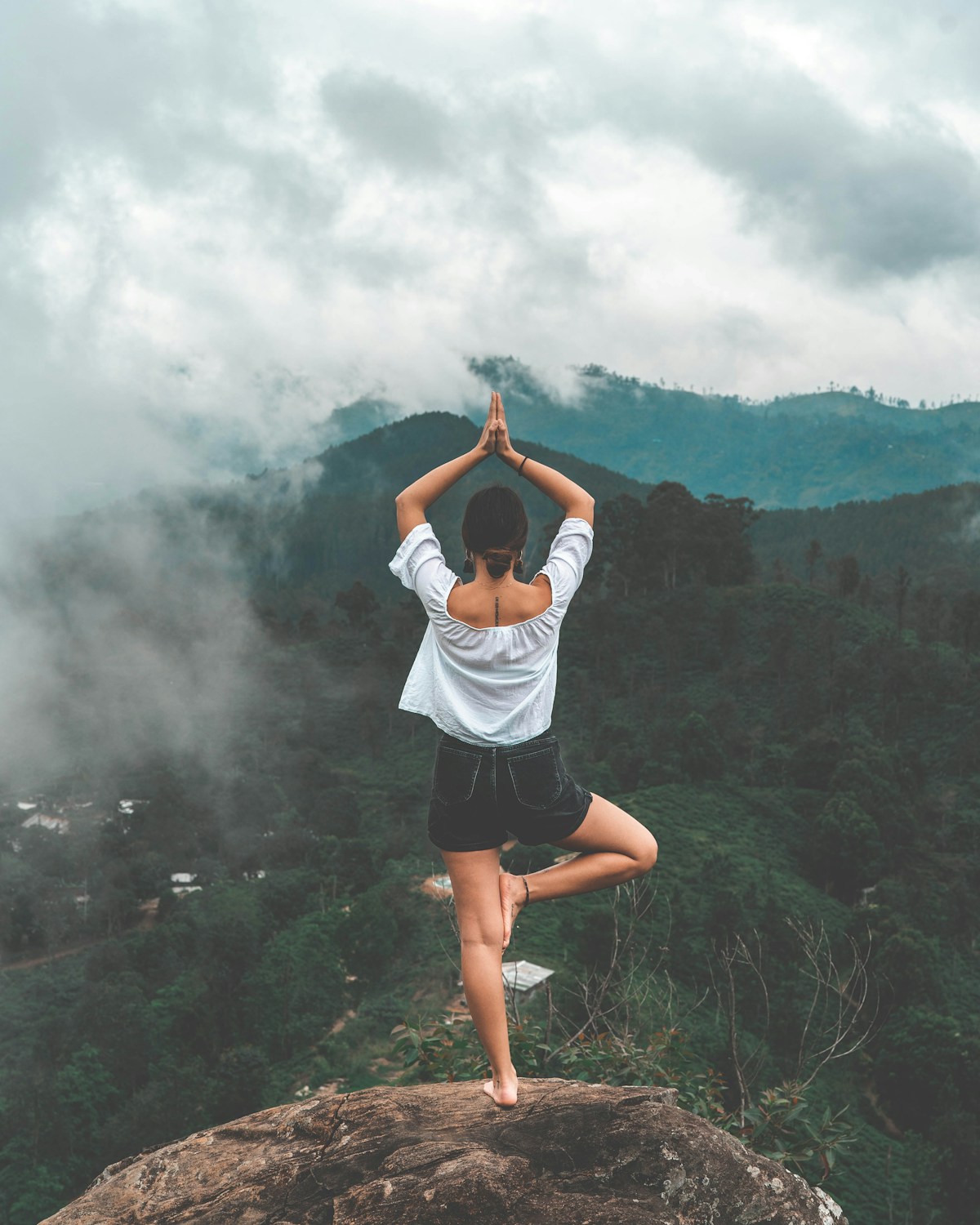
Let's take the example of Sarah, a 30-year-old marketing executive who suffered from social anxiety. She would often feel overwhelmed and nervous in social situations, which would affect her relationships and work performance. Sarah started practicing deep breathing exercises, journaling, and mindfulness meditation, and gradually noticed a reduction in her anxiety symptoms. She also joined a yoga class and connected with like-minded individuals who shared similar experiences. With time, Sarah became more confident and able to manage her anxiety in social situations.
Conclusion
Dealing with anxiety naturally requires patience, persistence, and self-compassion. Remember that everyone's journey is unique, and what works for one person may not work for another. By incorporating these 8 tips into your daily routine, you can take the first step towards managing your anxiety and improving your overall well-being. Don't be too hard on yourself, and celebrate small victories along the way. You got this!
When to Seek Professional Help
While natural methods can be effective in managing anxiety, it's essential to seek professional help if you're experiencing severe or debilitating symptoms. If you're struggling with anxiety that interferes with your daily life, relationships, or work, consider consulting a therapist or counselor. They can help you develop a personalized treatment plan, provide support and guidance, and offer evidence-based therapies like cognitive-behavioral therapy (CBT) or psychodynamic therapy. Don't hesitate to reach out for help – you deserve to live a happy, healthy, and anxiety-free life.