Introduction to Self-Care for Mental Health
Taking care of your mental health is just as important as your physical health. With the demands of modern life, it's easy to get caught up in stress, anxiety, and negativity. However, by incorporating simple self-care routines into your daily life, you can significantly improve your mental well-being. In this article, we'll explore the importance of self-care for mental health and provide you with practical tips to get you started.
Why Self-Care Matters
Self-care is not just about pampering yourself; it's about taking intentional steps to care for your mind, body, and soul. When you prioritize self-care, you're better equipped to handle life's challenges, build resilience, and cultivate a positive mindset. By making self-care a non-negotiable part of your daily routine, you can reduce stress, improve your mood, and increase your overall sense of well-being.
Practical Self-Care Routines for Mental Health
Here are 7 simple yet effective self-care routines to help you nurture your mental health:
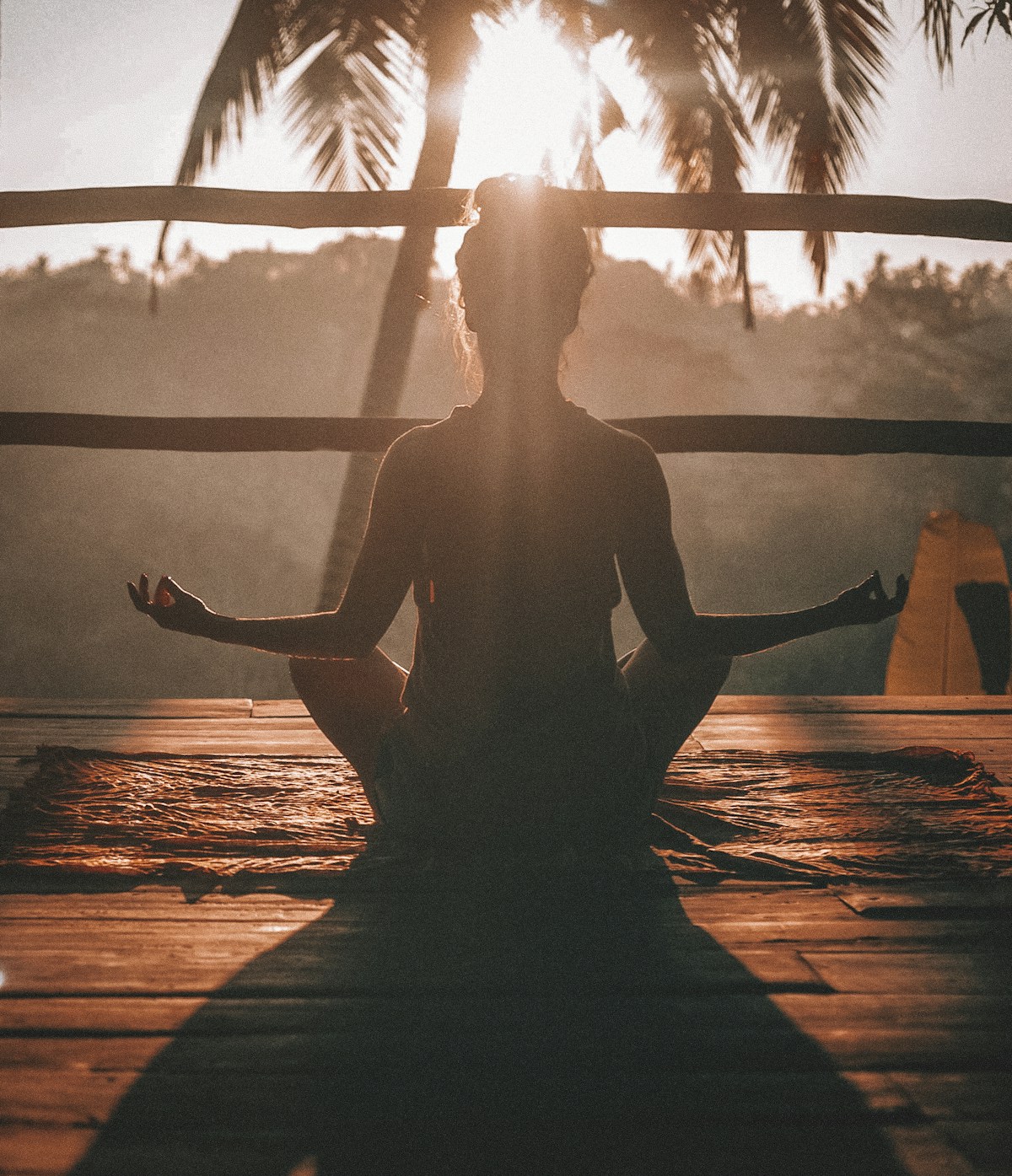
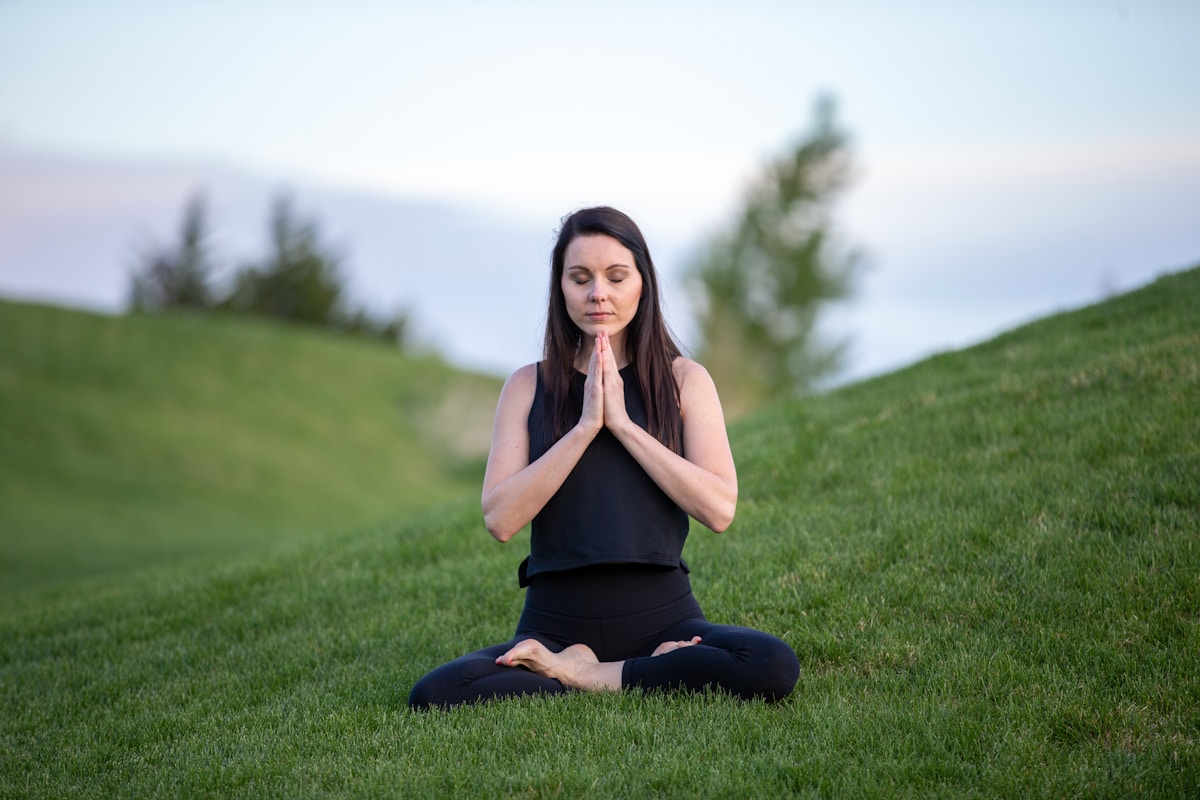
- Morning Meditation: Start your day with a 10-minute meditation session to clear your mind, set intentions, and boost your mood. You can use apps like Headspace or Calm to guide you.
- Gratitude Journaling: Take a few minutes each day to write down three things you're grateful for. This helps shift your focus to the positive aspects of your life and cultivates a sense of gratitude.
- Physical Activity: Engage in some form of physical activity, such as walking, yoga, or swimming, to release endorphins and improve your mood. Aim for at least 30 minutes of moderate exercise per day.
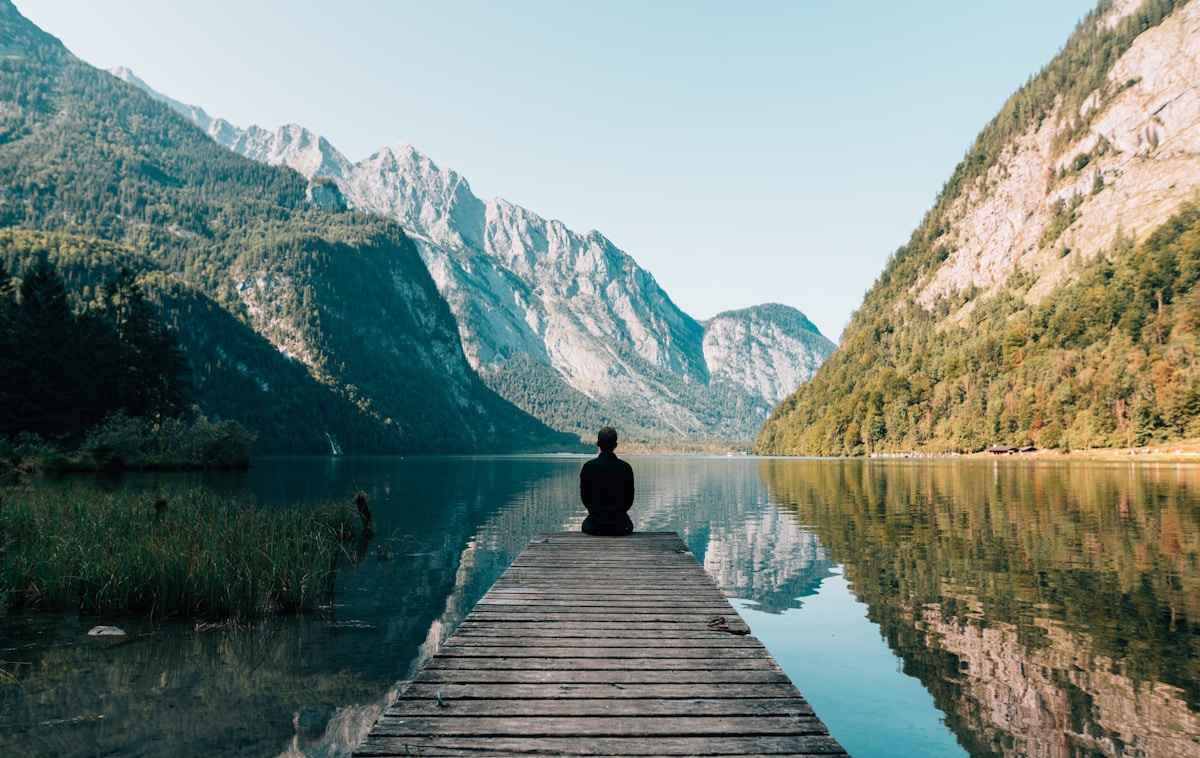
- Connect with Nature: Spend time outdoors, whether it's walking in a park, hiking, or simply sitting in your backyard. Nature has a calming effect on the mind and can help reduce stress.
- Creative Expression: Engage in a creative activity that brings you joy, such as painting, drawing, writing, or photography. This helps express your emotions and tap into your imagination.
- Boundary Setting: Learn to say "no" to things that drain your energy and say "yes" to things that nourish your mind, body, and soul. Set healthy boundaries with others to protect your time and energy.
- Self-Compassion: Treat yourself with kindness, understanding, and patience. Practice self-compassion by acknowledging your emotions, accepting your imperfections, and offering yourself gentle care.
A Real-Life Example
Let's take the example of Sarah, a busy working mom who struggles with anxiety and stress. Sarah starts her day with a 10-minute meditation session, followed by a 30-minute walk in the park. She also makes time for gratitude journaling and creative expression through painting. By incorporating these self-care routines into her daily life, Sarah is able to reduce her anxiety, improve her mood, and feel more grounded and focused.
Conclusion
Incorporating self-care routines into your daily life can have a profound impact on your mental health. By prioritizing your well-being and making intentional choices, you can cultivate a positive mindset, build resilience, and live a more fulfilling life. Remember, self-care is not a luxury; it's a necessity. So, take the first step today and start nurturing your mind, body, and soul. You deserve it!
When to Seek Professional Help
While self-care routines can be incredibly effective, there are times when you may need to seek professional help. If you're experiencing severe symptoms of anxiety, depression, or other mental health conditions, it's essential to consult with a therapist or counselor. They can provide you with personalized guidance, support, and therapy to help you navigate your challenges. Don't hesitate to reach out for help if you're struggling – it's a sign of strength, not weakness.