Introduction to Stress Reduction
Are you tired of feeling overwhelmed, anxious, and stressed out? You're not alone. In today's fast-paced world, it's easy to get caught up in the hustle and bustle of daily life and forget to take care of ourselves. But neglecting our mental and emotional well-being can have serious consequences, from impaired cognitive function to a weakened immune system. The good news is that there are many natural ways to reduce stress and promote relaxation, and we're about to explore some of the most effective ones.
Understanding Stress and Its Effects
Before we dive into the tips, let's talk about what stress is and how it affects our bodies. Stress is a natural response to a perceived threat or pressure, and it can manifest physically, emotionally, or mentally. When we experience stress, our body's "fight or flight" response is triggered, releasing stress hormones like cortisol and adrenaline. While these hormones can help us respond to immediate threats, chronically elevated levels can lead to fatigue, mood swings, and a host of other problems.
Practical Tips for Reducing Stress
So, what can you do to reduce stress and promote relaxation? Here are some practical, actionable tips to get you started:
- Deep Breathing Exercises: When we're stressed, our breathing tends to become shallow and rapid. Consciously taking slow, deep breaths can help calm the nervous system and reduce stress hormones. Try inhaling for a count of four, holding your breath for a count of seven, and exhaling for a count of eight.
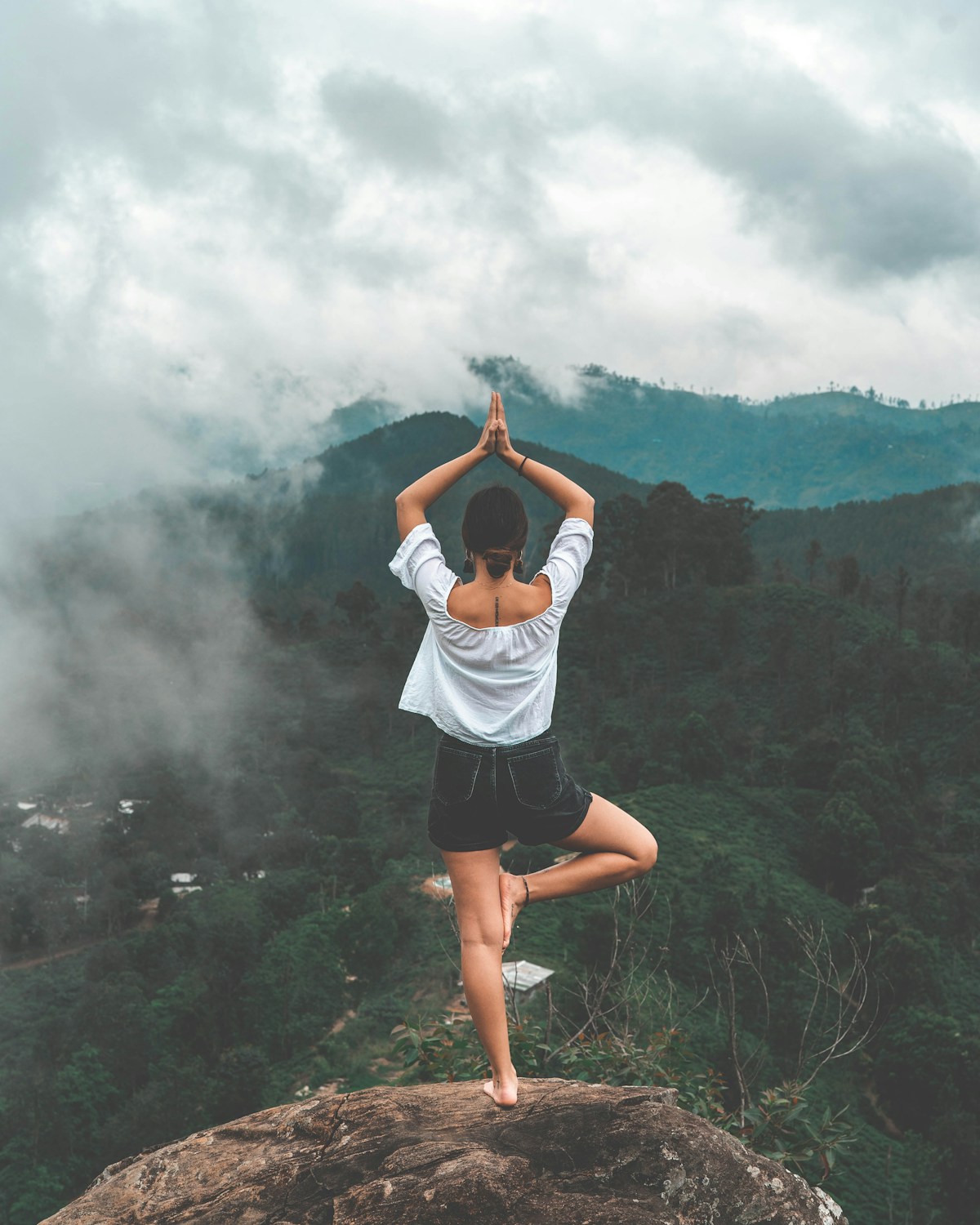
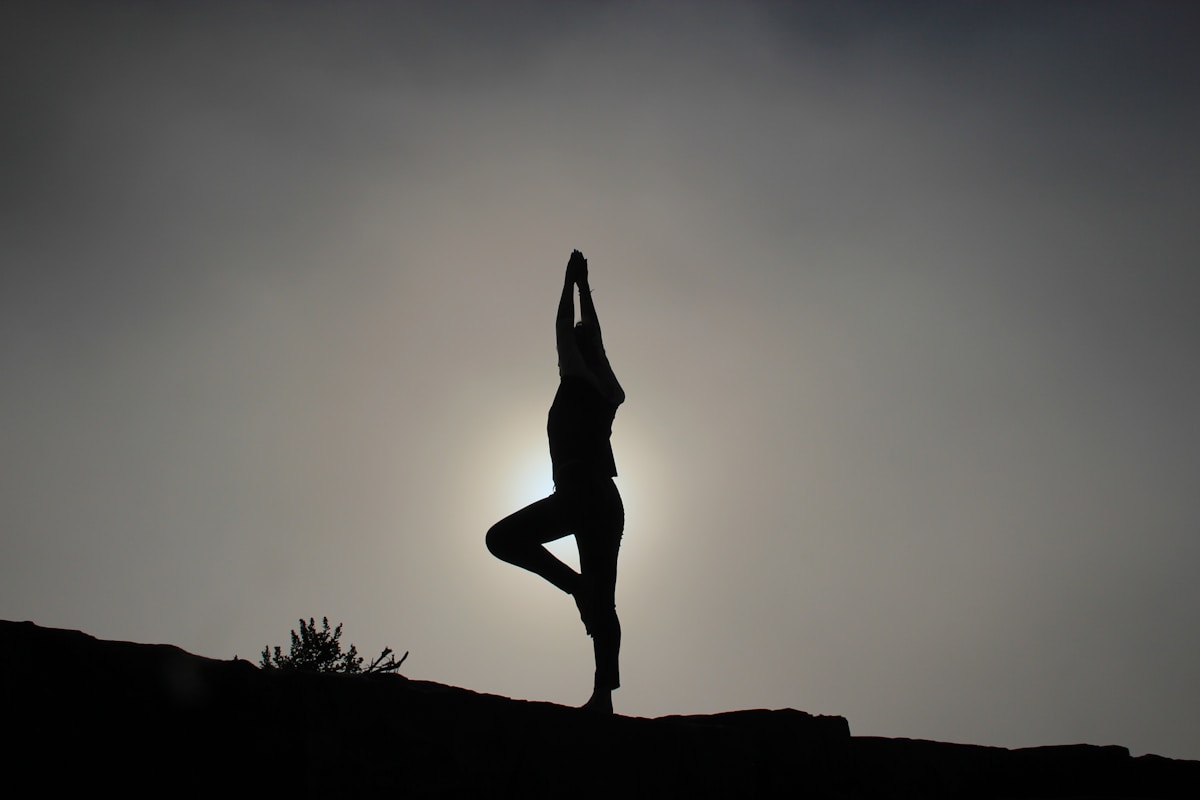
- Physical Activity: Regular exercise is a natural stress-reliever, as it releases endorphins, also known as "feel-good" hormones. Find an activity you enjoy, whether it's walking, running, swimming, or dancing, and aim to do it for at least 30 minutes a day.
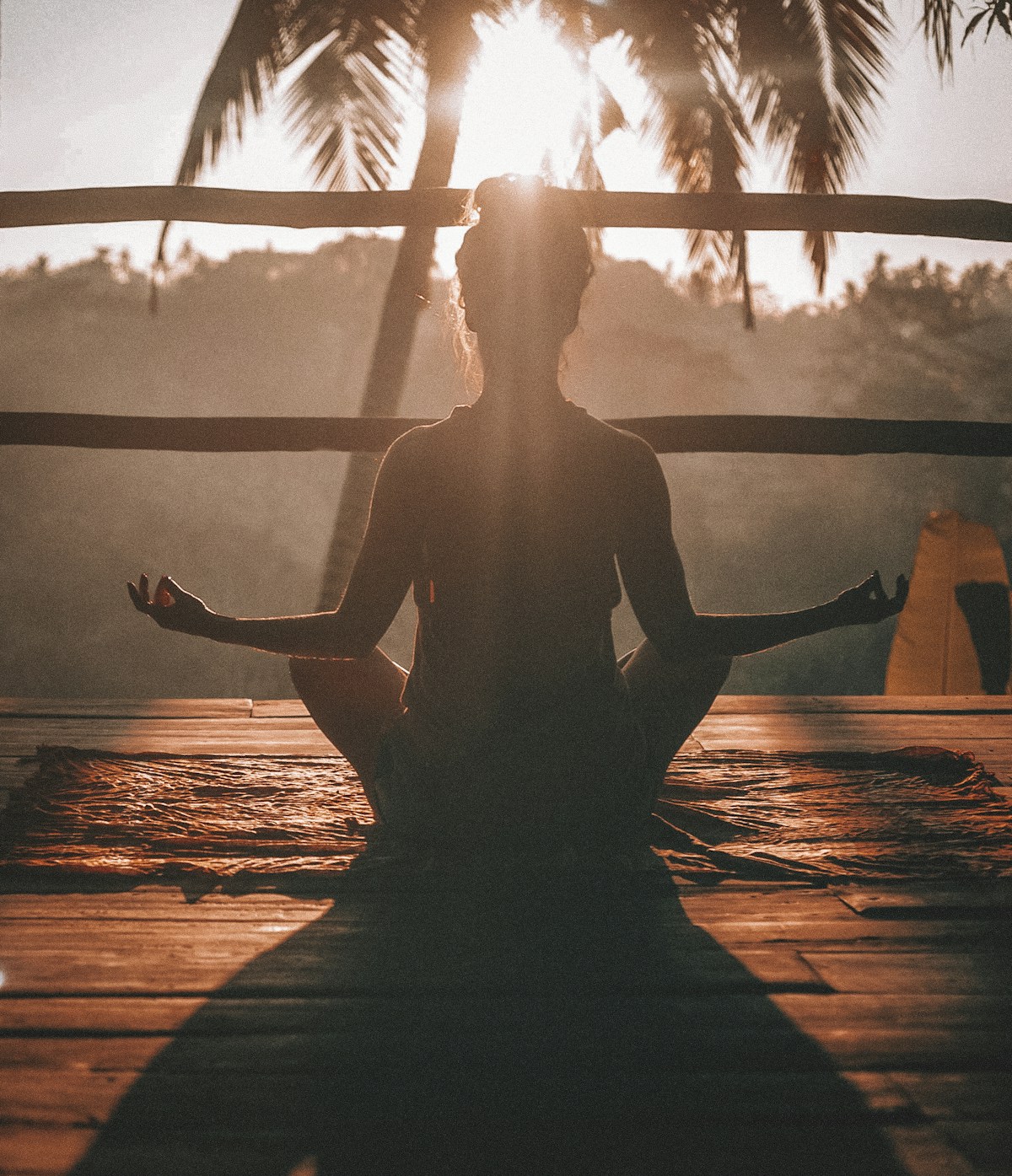
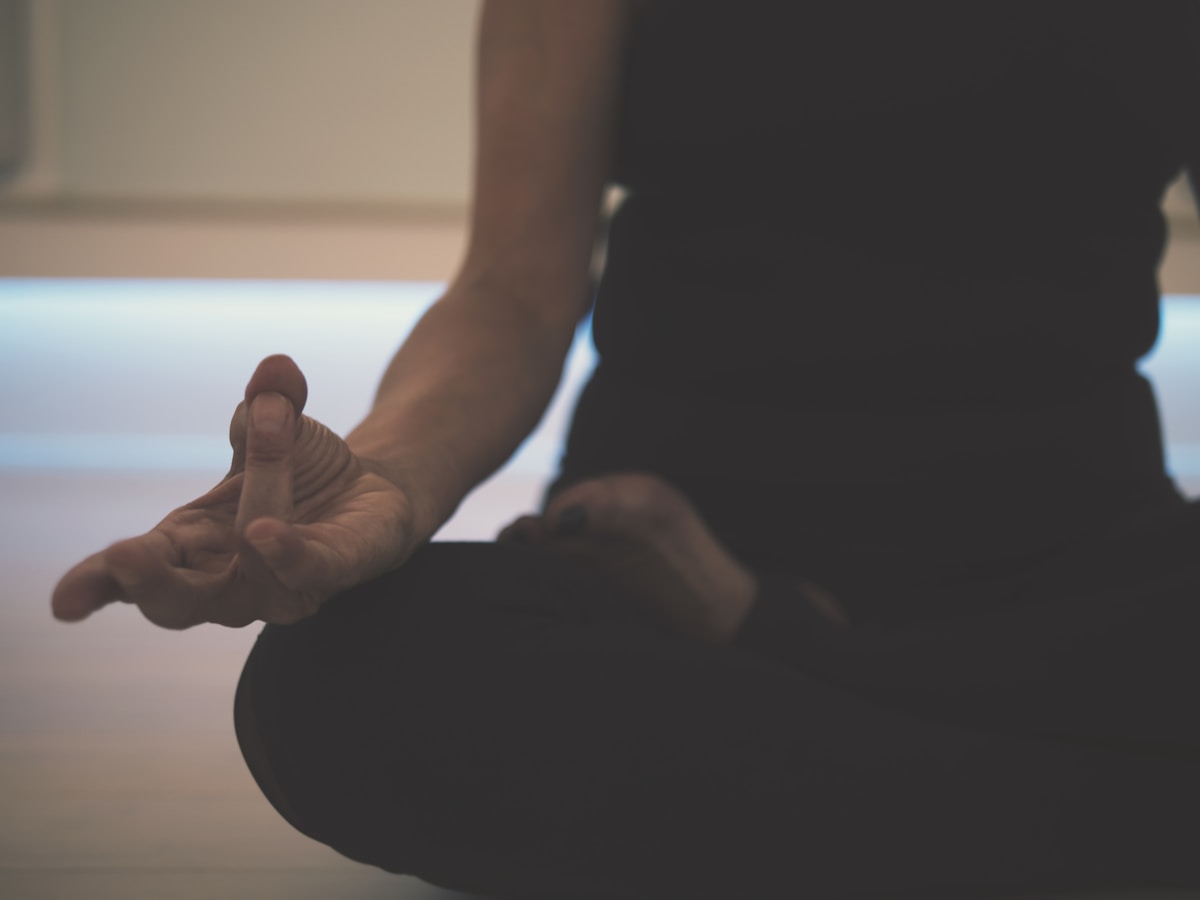
- Mindfulness Meditation: Mindfulness meditation involves focusing on the present moment, without judgment or distraction. This can help reduce stress and anxiety by teaching you to stay grounded and centered. You can start with just a few minutes a day, using a guided meditation app or simply paying attention to your breath.
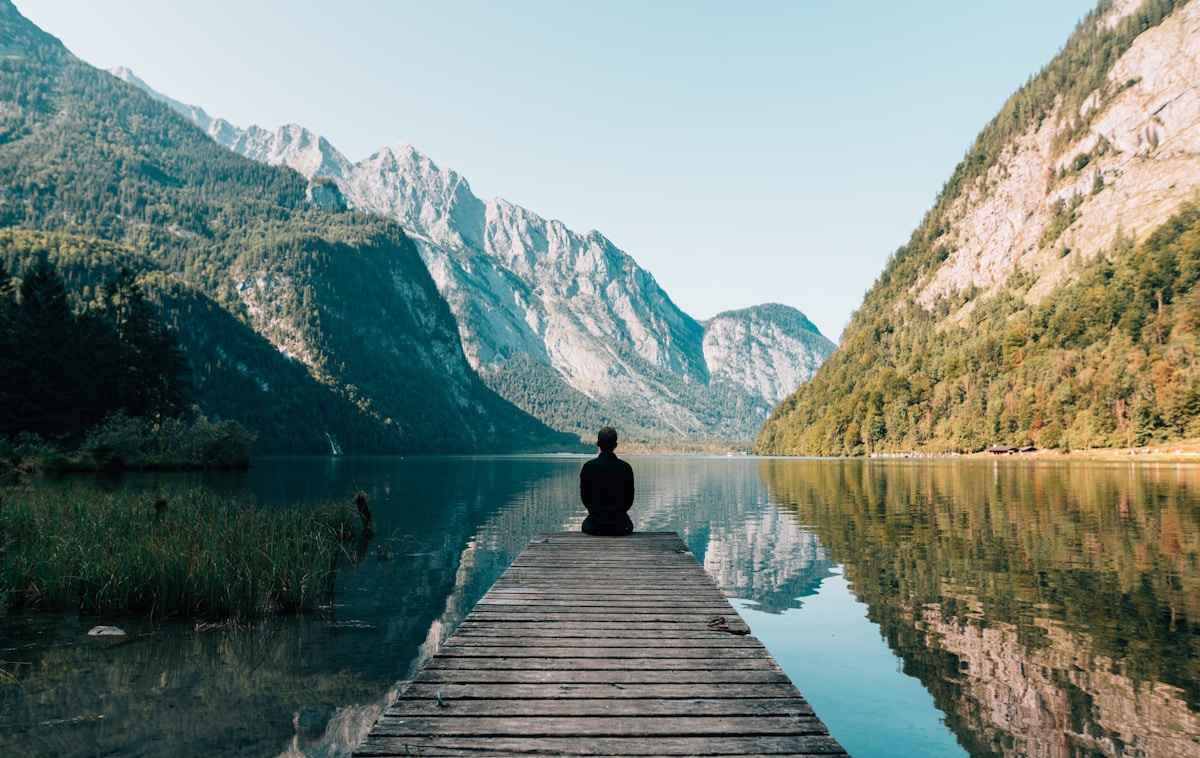
- Connect with Nature: Spending time in nature can be incredibly calming and restorative. Take a walk in a park, go for a hike, or simply sit outside and soak up some sunshine. Being in nature can help reduce stress levels and promote a sense of well-being.
- Journaling: Writing down your thoughts and feelings can be a great way to process and release stress. Try keeping a journal or diary, and write in it whenever you feel overwhelmed or anxious.
- Healthy Sleep Habits: Getting enough sleep is essential for managing stress, as it helps regulate stress hormones and repair the body. Aim for 7-9 hours of sleep a night, and establish a consistent bedtime routine to improve the quality of your sleep.
- Social Connection: Spending time with loved ones, friends, or even pets can help reduce stress and promote feelings of calm and connection. Make an effort to stay in touch with friends and family, and consider joining a social group or club to expand your social circle.
- Healthy Eating: A balanced diet rich in whole foods, fruits, and vegetables can help support mental health and reduce stress. Aim to include a variety of nutrient-dense foods in your diet, and avoid sugary or processed snacks that can exacerbate stress.
A Real-Life Example
Let's say you're a busy working mom with two young kids, and you're feeling overwhelmed by the demands of your job and family life. You're constantly worried about meeting deadlines, paying bills, and keeping your kids happy and healthy. One day, you realize that you're at your breaking point, and you need to make some changes to reduce your stress levels. You start by taking a few minutes each morning to practice deep breathing exercises, and you begin to prioritize self-care activities like reading, yoga, and spending time in nature. You also make an effort to connect with friends and family, and you start saying "no" to commitments that drain your energy and say "yes" to those that nourish your mind, body, and soul.
Conclusion
Reducing stress and promoting relaxation is a journey, not a destination. It takes time, effort, and patience, but the rewards are well worth it. By incorporating these natural stress-reducing techniques into your daily life, you can improve your mental and emotional well-being, boost your energy and resilience, and unlock a happier, healthier you. Remember, taking care of yourself is not selfish – it's essential. So, take a deep breath, relax, and recharge. You got this!
When to Seek Professional Help
While these natural stress-reducing techniques can be incredibly effective, there may be times when you need additional support. If you're experiencing chronic stress, anxiety, or other mental health concerns, it's essential to seek professional help. A therapist or counselor can provide you with personalized guidance, support, and therapy to help you manage your stress and improve your mental health. Don't be afraid to reach out for help – it's a sign of strength, not weakness. Remember, taking care of your mental health is just as important as taking care of your physical health. So, don't hesitate to seek help when you need it.