Introduction to Stress Reduction
Are you tired of feeling overwhelmed and stressed out all the time? Do you wish you could find a way to calm your mind and relax your body without relying on medication or other quick fixes? You're not alone. Stress is a natural part of life, but chronic stress can have serious consequences for our mental and physical health. The good news is that there are many natural ways to reduce stress and improve your overall well-being. In this article, we'll explore some practical and actionable tips to help you manage stress and find peace in a busy world.
Understanding Stress
Before we dive into the tips, it's essential to understand what stress is and how it affects our bodies. Stress is a natural response to a perceived threat or pressure. When we feel stressed, our body's "fight or flight" response is triggered, releasing stress hormones like cortisol and adrenaline. These hormones prepare our body to either fight or flee from the threat, causing our heart rate to increase, our blood pressure to rise, and our senses to become more alert. While this response is helpful in emergency situations, chronic stress can lead to anxiety, depression, and a range of other health problems.
Natural Stress Reduction Techniques
Luckily, there are many natural ways to reduce stress and promote relaxation. Here are some practical and actionable tips to get you started:
- Deep Breathing Exercises: Deep breathing is a simple yet powerful technique to calm your mind and body. Take slow, deep breaths in through your nose and out through your mouth, focusing on the sensation of the breath. Try inhaling for a count of four, holding your breath for a count of seven, and exhaling for a count of eight. Repeat this process several times, feeling your body relax with each exhalation.
- Physical Exercise: Regular exercise is a great way to reduce stress and anxiety. Exercise releases endorphins, also known as "feel-good" hormones, which can help improve your mood and reduce stress. Find an activity you enjoy, whether it's walking, running, swimming, or dancing, and aim to do it for at least 30 minutes a day.
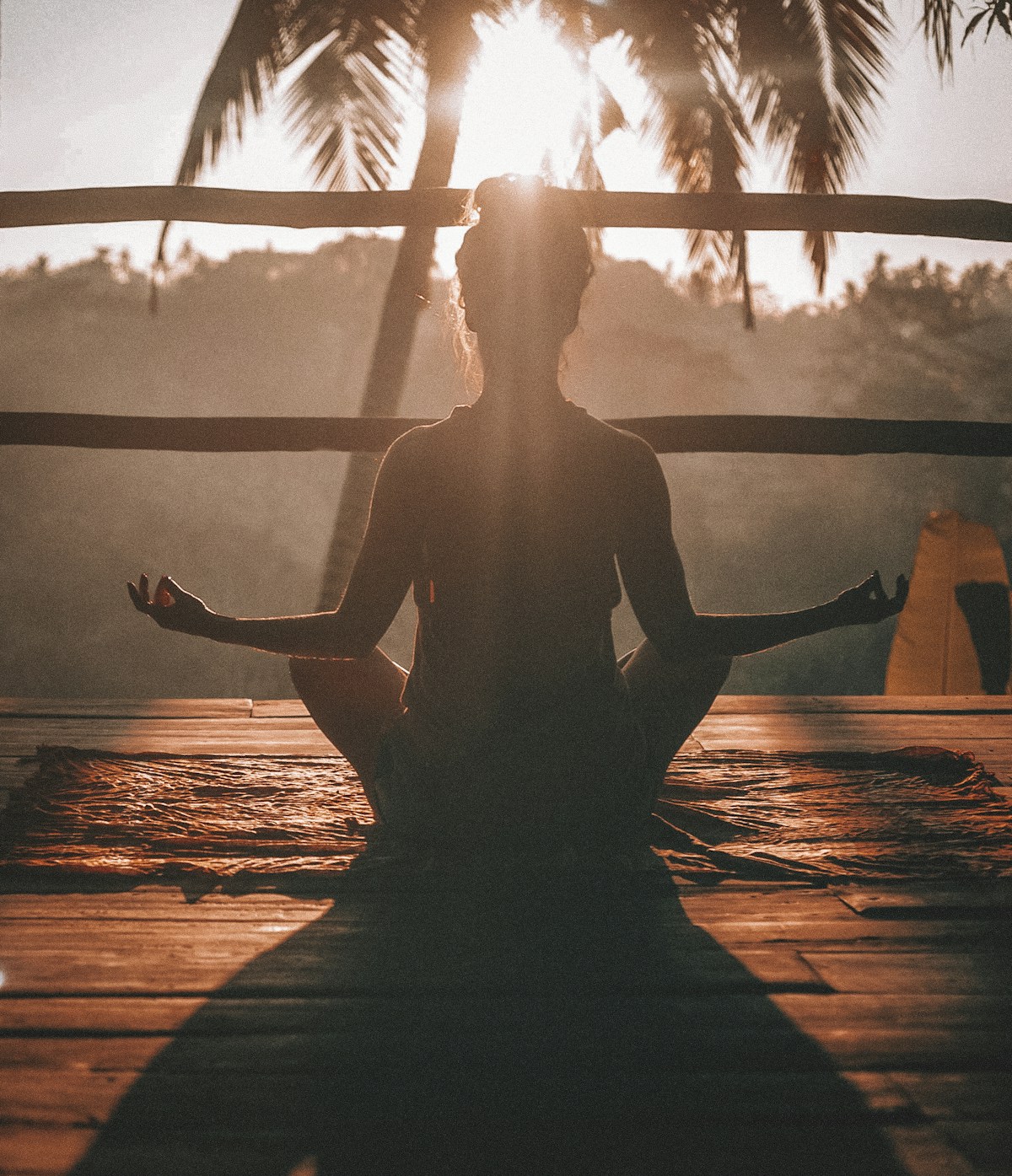
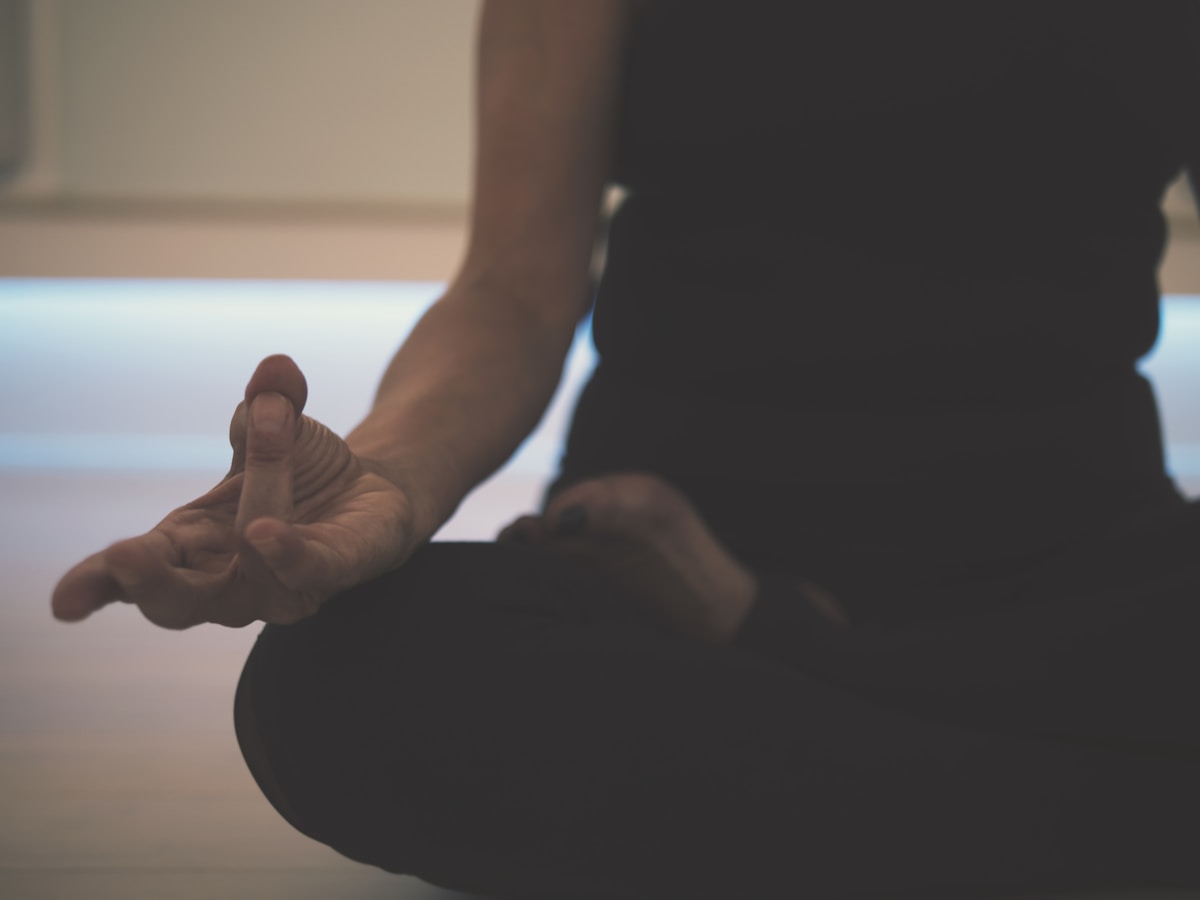
- Mindfulness Meditation: Mindfulness meditation involves focusing your attention on the present moment, without judgment. Sit comfortably, close your eyes, and focus on your breath, a mantra, or a physical sensation in your body. When your mind wanders, gently bring it back to the present moment. Start with short sessions, like 5-10 minutes, and gradually increase the time as you become more comfortable with the practice.
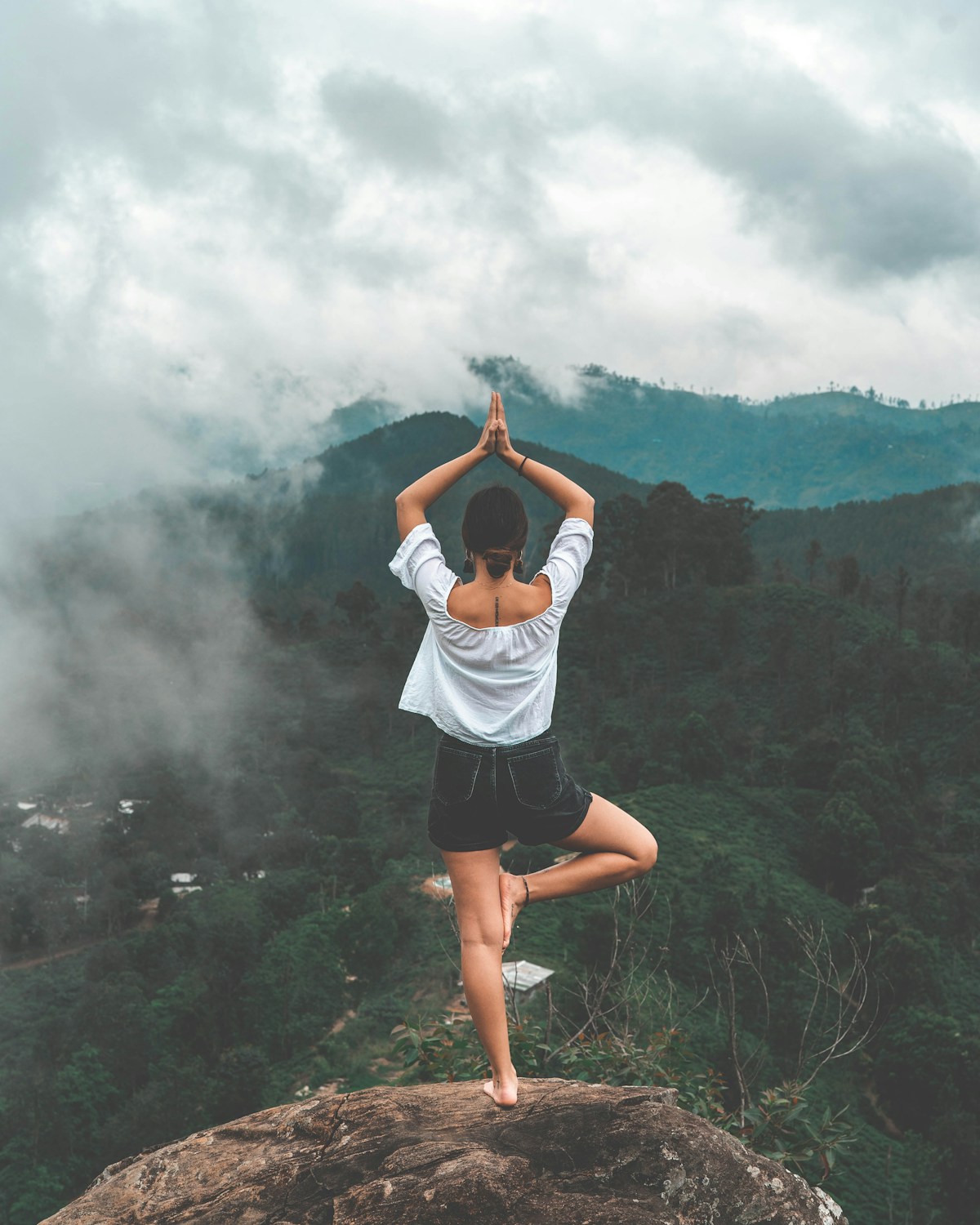
- Yoga: Yoga combines physical movement with deep breathing and meditation techniques to promote relaxation and reduce stress. Find a yoga style that suits you, whether it's Hatha, Vinyasa, or Restorative yoga, and practice it regularly. You can find classes online or in your local community.
- Time Management: Poor time management can lead to increased stress levels. Learn to prioritize your tasks, set realistic goals, and take regular breaks to avoid burnout. Use a planner, calendar, or app to stay organized and focused.
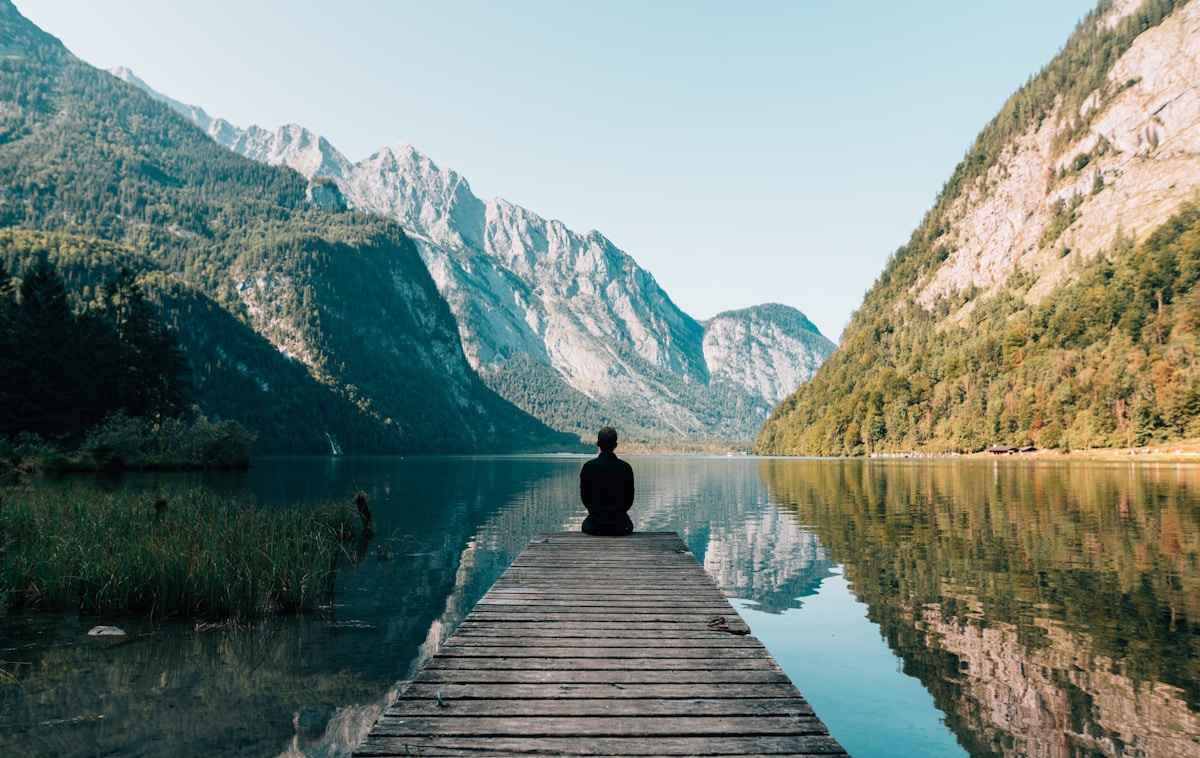
- Connect with Nature: Spending time in nature can be incredibly calming and restorative. Take a walk in a park, go for a hike, or simply sit in a garden or on a balcony with plants. Being in nature can help you feel more grounded and connected to the world around you.
- Journaling: Writing down your thoughts and feelings can be a great way to process and release stress. Try keeping a journal or diary to record your experiences, gratitudes, and goals. Reflecting on your thoughts and emotions can help you gain perspective and find solutions to problems that may be causing you stress.
- Laughter and Play: Finally, don't forget the importance of laughter and play in reducing stress. Watch a funny movie, read a humorous book, or play with a pet. Laughter and play can help distract you from stress and improve your mood.
A Real-Life Example
Let's consider an example of how these techniques can be applied in real life. Sarah, a working mom, was feeling overwhelmed with her job, family responsibilities, and social obligations. She was constantly stressed, anxious, and irritable, which was affecting her relationships and overall well-being. One day, she decided to take a step back and prioritize her self-care. She started practicing deep breathing exercises during her daily commute, joined a yoga class on weekends, and set aside time for journaling and meditation each evening. She also made sure to schedule regular walks in the park and laughing sessions with friends. Within a few weeks, Sarah noticed a significant reduction in her stress levels, improved mood, and increased energy. She was able to manage her tasks more efficiently, connect with her loved ones more meaningfully, and enjoy her hobbies with renewed passion.
Conclusion
Reducing stress naturally takes time, patience, and practice, but it's worth it. By incorporating these simple yet powerful techniques into your daily routine, you can improve your mental and physical health, relationships, and overall quality of life. Remember, it's essential to be kind to yourself and acknowledge that it's okay to feel stressed sometimes. Don't give up, even if you encounter setbacks or challenges along the way. With persistence, self-compassion, and the right tools, you can unlock a happier, healthier, and more fulfilling you. So, take a deep breath, relax, and start your journey to stress-free living today.
When to Seek Professional Help
While these natural stress reduction techniques can be incredibly effective, it's essential to recognize when you may need additional support. If you're experiencing chronic stress, anxiety, or depression that interferes with your daily life, relationships, or overall well-being, it's time to seek professional help. A therapist or counselor can provide you with personalized guidance, support, and evidence-based therapies to manage your stress and improve your mental health. Don't hesitate to reach out for help; taking care of your mental health is just as important as taking care of your physical health. Remember, you don't have to face stress and anxiety alone – there are people who care about you and want to help.