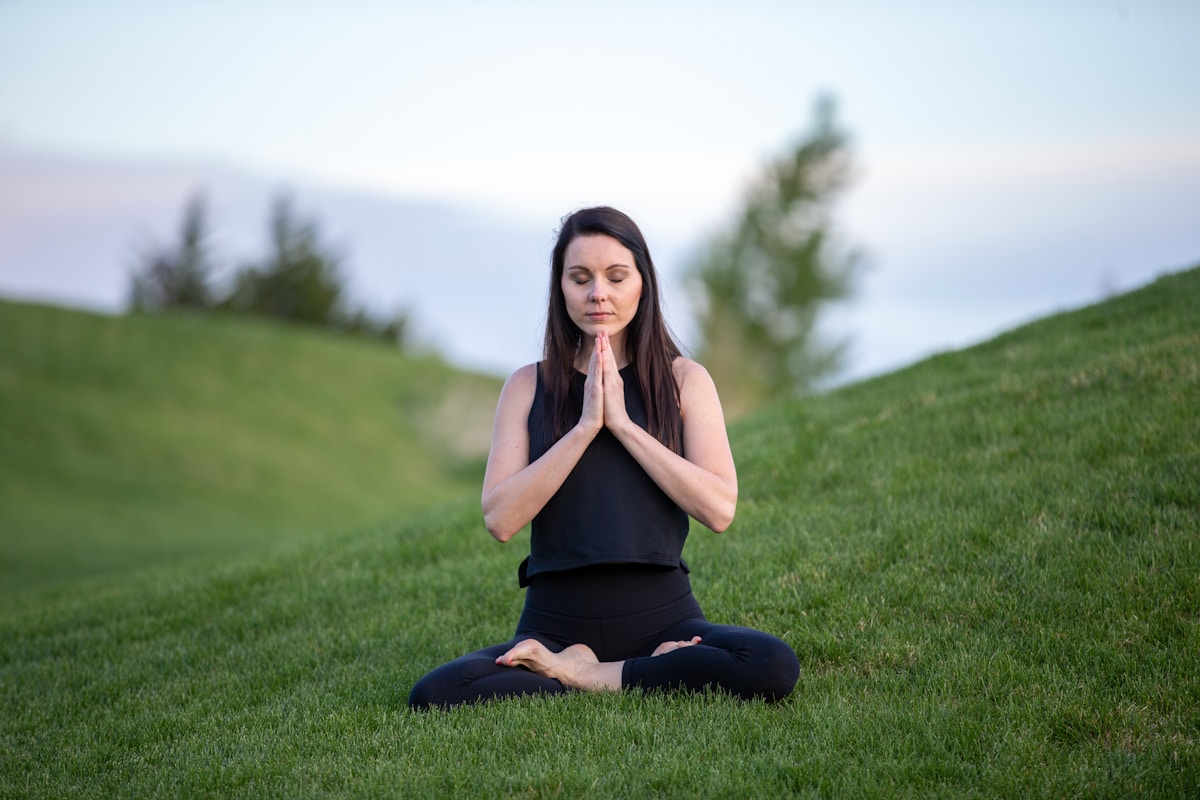
Introduction to Meditation for Beginners
Meditation is a powerful practice that can help you reduce stress, increase focus, and boost your overall well-being. However, if you're new to meditation, it can be overwhelming to know where to start. With so many different techniques and practices out there, it's easy to feel like you don't know how to begin. But don't worry, we've got you covered. In this post, we'll explore some simple meditation techniques for beginners that you can start using today to reduce stress and boost happiness.
Why Meditation is Important for Beginners
Meditation is important for beginners because it can help you develop a greater sense of self-awareness, calmness, and clarity. By incorporating meditation into your daily routine, you can reduce stress and anxiety, improve your sleep, and increase your focus and productivity. Plus, meditation can help you develop a more positive mindset and outlook on life, which can have a significant impact on your overall happiness and well-being.
Simple Meditation Techniques for Beginners
Here are some simple meditation techniques for beginners that you can start using today:
- Body Scan Meditation: This technique involves lying down or sitting comfortably and bringing your attention to different parts of your body, starting from your toes and moving up to the top of your head. As you focus on each area, release any tension or discomfort you may feel.
- Mindful Breathing: This technique involves focusing your attention on your breath, without trying to control it or change it in any way. Simply observe your breath as it moves in and out of your body, and when your mind wanders, gently bring it back to your breath.
- Walking Meditation: This technique involves paying attention to your walking, the sensation of your feet touching the ground, and the movement of your legs and arms. Bring your attention to the present moment and let go of any distracting thoughts or worries.
- Loving-Kindness Meditation: This technique involves focusing on sending kindness and compassion to yourself and others. Start by directing kindness towards yourself, and then move on to others, including friends, family, and even those you may have difficulty with.
- Guided Meditation: This technique involves listening to a guided audio recording that leads you through a meditation practice. You can find guided meditations online or through mobile apps, and they can be a great way to get started with meditation.
- Transcendental Meditation: This technique involves using a mantra to help you quiet your mind and access a deeper state of consciousness. You can learn transcendental meditation through a certified teacher, and it can be a powerful way to reduce stress and increase self-awareness.
A Real-Life Example of Meditation in Action
Let's say you're feeling stressed and overwhelmed at work. You've got a big project deadline looming, and you're starting to feel anxious and uncertain. In this situation, you could take a few minutes to practice some mindful breathing. Find a quiet space, sit comfortably, and bring your attention to your breath. Focus on the sensation of the air moving in and out of your body, and when your mind starts to wander (which it probably will!), gently bring it back to your breath. After just a few minutes of meditation, you may find that you feel more calm and centered, and better equipped to tackle that project deadline.
Putting Meditation into Practice
Now that you've learned some simple meditation techniques for beginners, it's time to put them into practice. Start by setting aside a few minutes each day to meditate, and see what works best for you. You might find that you prefer to meditate first thing in the morning, or that you like to use a guided meditation app to help you get started. The key is to find a meditation practice that you enjoy, and that you can stick to over time.
Tips for Establishing a Meditation Practice
Here are a few additional tips for establishing a meditation practice:
- Start small: Begin with just a few minutes of meditation per day, and gradually increase as you become more comfortable with the practice.
- Be consistent: Try to meditate at the same time each day, so it becomes a regular part of your routine.
- Find a quiet space: Identify a quiet, comfortable space where you can meditate without distractions.
Conclusion
Meditation is a powerful tool that can help you reduce stress, increase focus, and boost your overall well-being. By incorporating simple meditation techniques into your daily routine, you can take the first step towards a happier, healthier you. Remember, meditation is a practice, and it's okay if your mind wanders or you feel like you're not doing it "right." The key is to be patient, kind, and compassionate with yourself as you explore the world of meditation. So why not give it a try? Take a few minutes each day to sit, breathe, and focus on the present moment. You might be surprised at the positive impact it can have on your life.
When to Seek Professional Help
While meditation can be a powerful tool for reducing stress and anxiety, it's not a replacement for professional help. If you're struggling with serious mental health issues, such as depression or anxiety disorders, it's essential to seek help from a qualified therapist or healthcare professional. They can provide you with the support, guidance, and treatment you need to manage your symptoms and improve your overall well-being. Don't be afraid to reach out for help – taking care of your mental health is an important part of living a happy, healthy life.