Cultivate a Positive Life: How to Practice Gratitude Every Day
Introduction to Gratitude
Practicing gratitude is one of the simplest and most effective ways to shift your focus towards the positive aspects of your life. By doing so, you can cultivate a more optimistic outlook, strengthen your relationships, and even improve your overall well-being. In this blog post, we'll explore the benefits of gratitude and provide you with practical tips on how to practice it every day.
Why Gratitude Matters
Gratitude is more than just a feeling; it's a mindset that can have a profound impact on your life. When you focus on what you're grateful for, you begin to notice the good things around you, and your perception of the world changes. You become more resilient, better equipped to handle stress, and more likely to form meaningful connections with others. By incorporating gratitude into your daily routine, you can experience these benefits firsthand and start living a more fulfilling life.
Practical Tips for Practicing Gratitude
So, how can you start practicing gratitude every day? Here are some actionable tips to get you started:
- Keep a Gratitude Journal: Take a few minutes each day to write down three things you're grateful for. It could be something as simple as a good cup of coffee, a beautiful sunset, or a supportive friend.
- Share Your Gratitude with Others: Express your gratitude to someone you appreciate, whether it's a kind word, a text message, or a small gift. This can help strengthen your relationships and create a positive ripple effect.
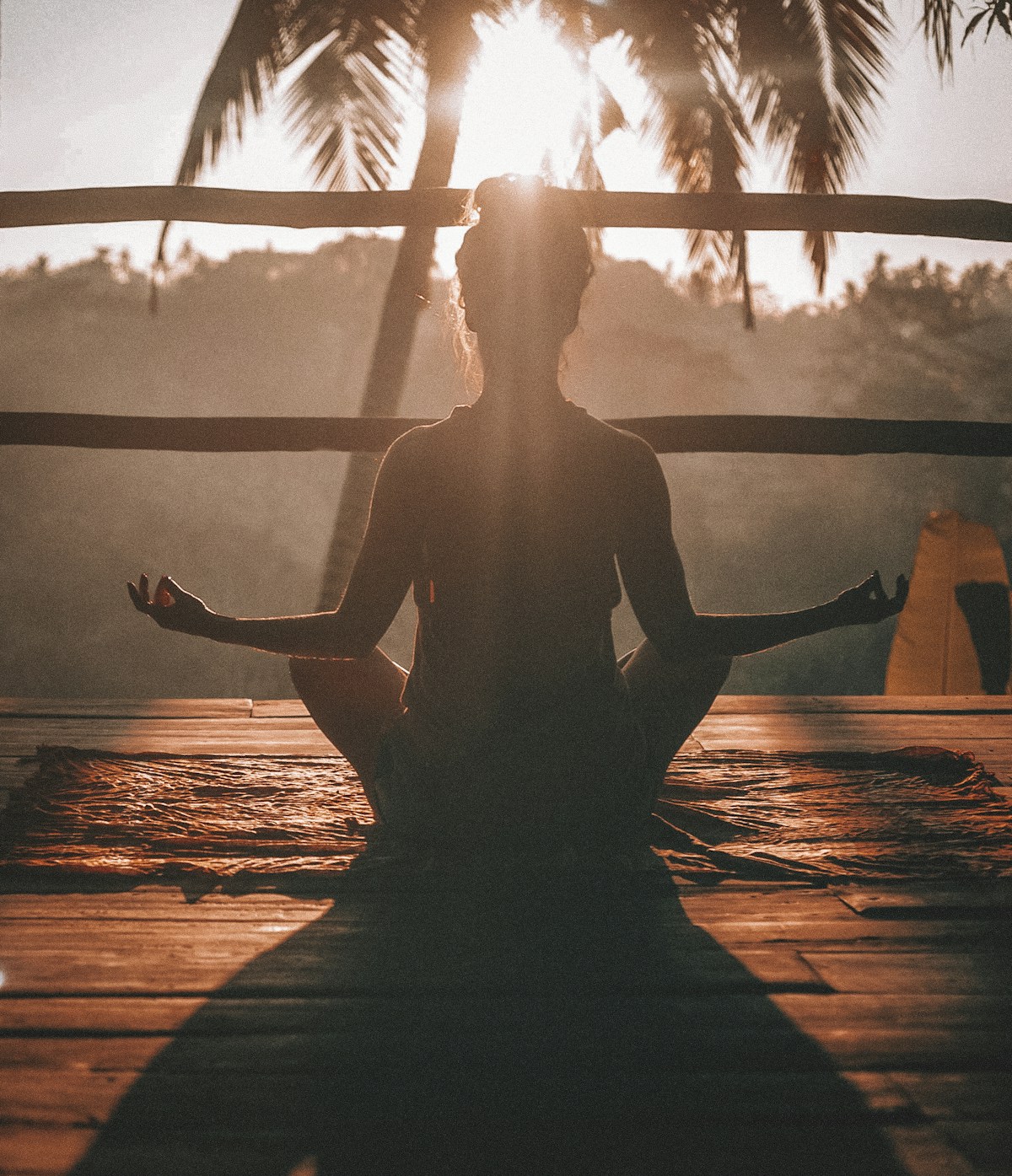
- Practice Mindful Moments: Take short breaks throughout the day to focus on your breath and notice the present moment. Pay attention to your senses, and acknowledge the small joys that often go unnoticed.
- Create a Gratitude Ritual: Develop a daily ritual that involves gratitude, such as sharing what you're thankful for at dinner time or before bed. This can help you stay consistent and make gratitude a habit.
- Reframe Challenges as Opportunities: When faced with a difficult situation, try to find the silver lining. Ask yourself what you can learn from the experience, and how it can help you grow as a person.
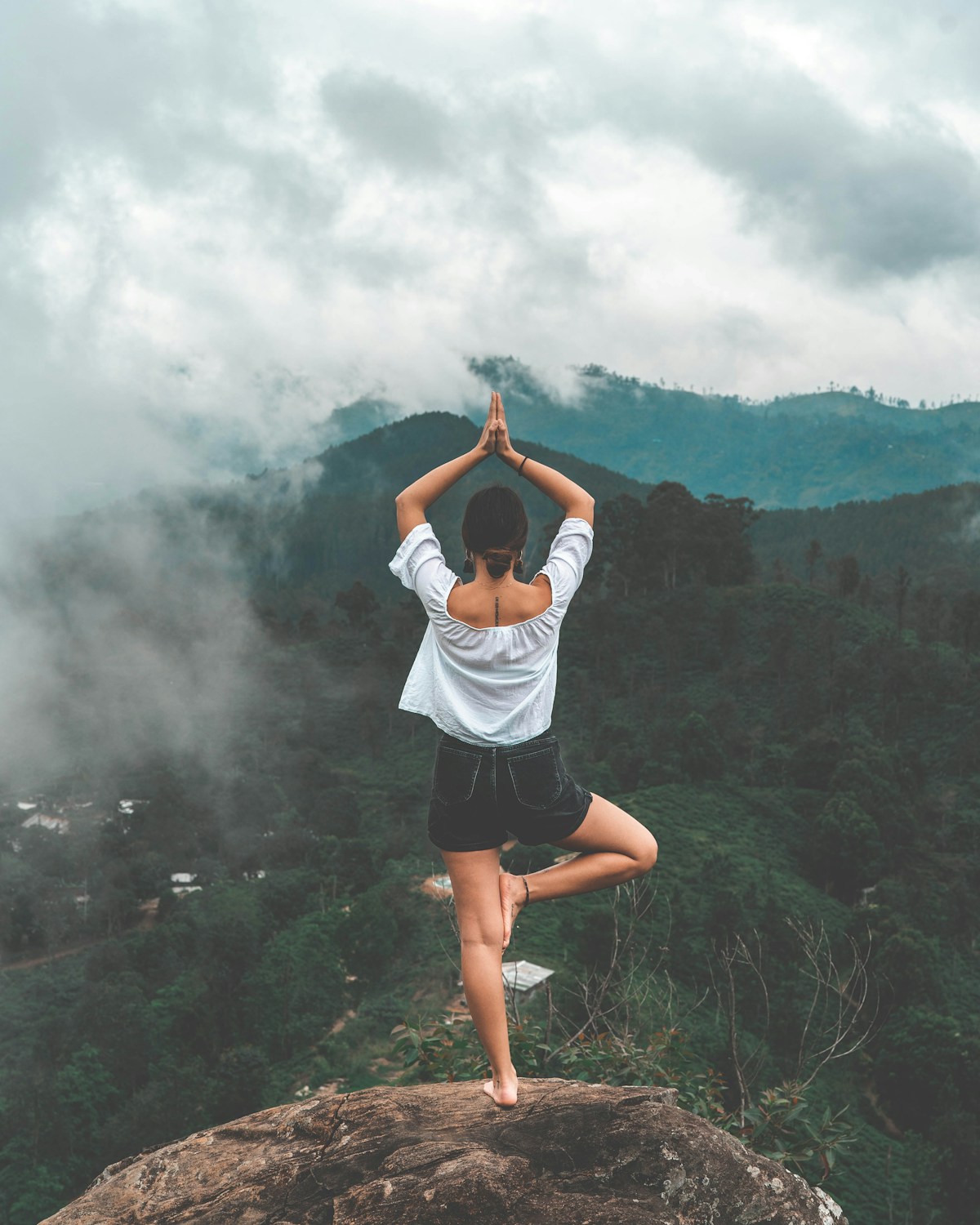
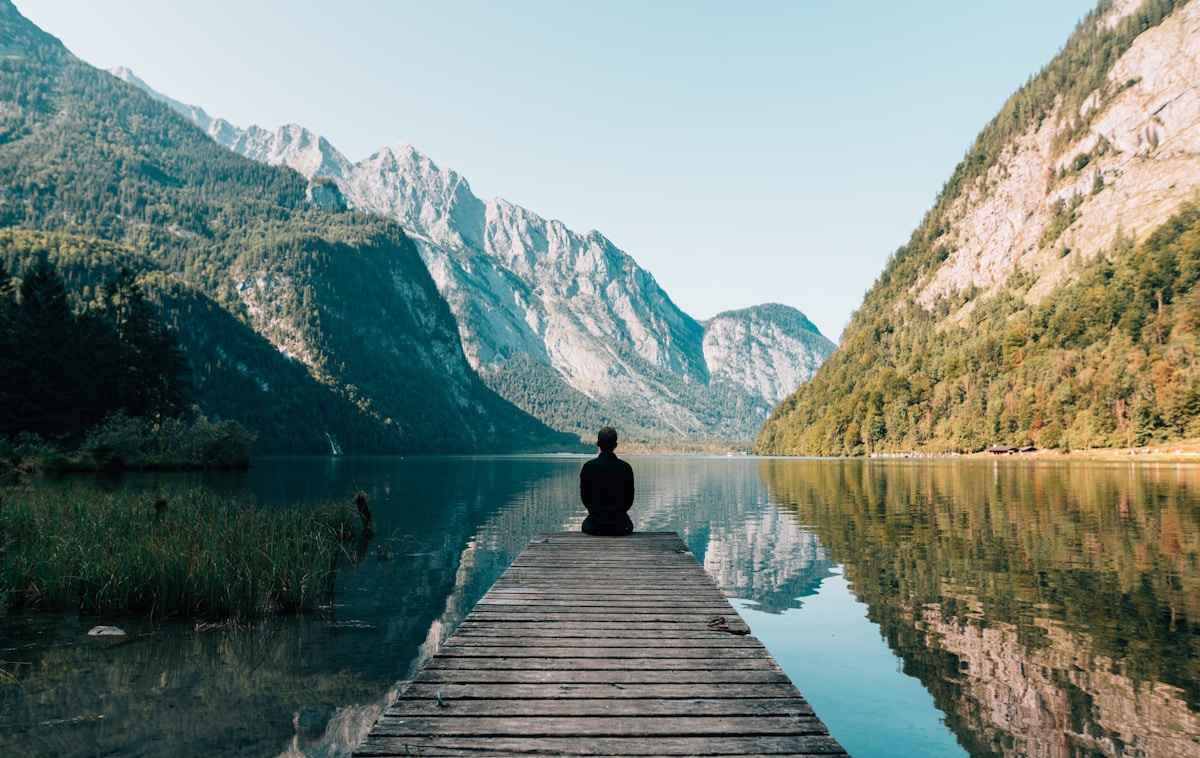
- Practice Gratitude in Nature: Spend time outdoors, and take notice of the beauty that surrounds you. Whether it's a walk in the park, a hike, or simply gazing at the stars, nature has a way of putting things into perspective and inspiring gratitude.
- Make it a Family Affair: Involve your loved ones in your gratitude practice, and make it a fun, collaborative experience. This can help create a positive and supportive environment, and inspire others to do the same.
- Be Consistent and Patient: Remember that developing a gratitude practice takes time and effort. Be gentle with yourself, and don't get discouraged if you miss a day or two. Get back on track, and celebrate your small wins along the way.
A Real-Life Example
Let's say you're having a tough day at work, and you're feeling overwhelmed by your tasks and responsibilities. Instead of getting bogged down by stress and anxiety, take a step back, and reflect on what you're grateful for. You might think about your supportive colleagues, the opportunity to learn and grow, or the fact that you have a job that allows you to provide for yourself and your loved ones. By shifting your focus towards what you're grateful for, you can begin to feel more centered, calm, and motivated to tackle the challenges ahead.
Conclusion
Practicing gratitude is a powerful way to transform your life and cultivate a more positive, resilient mindset. By incorporating these simple yet effective tips into your daily routine, you can start experiencing the benefits of gratitude for yourself. Remember, it's all about progress, not perfection. Be patient, stay consistent, and celebrate your small wins along the way. With time and practice, you can develop a deeper appreciation for life's beauty, complexity, and wonder.
When to Seek Professional Help
While practicing gratitude can be incredibly beneficial, it's essential to recognize that some mental health challenges may require professional help. If you're struggling with persistent feelings of sadness, anxiety, or hopelessness, it's crucial to seek support from a qualified therapist or counselor. They can help you develop a personalized plan to address your specific needs and work through challenging emotions. Don't hesitate to reach out for help when you need it – your mental health and well-being are worth it.