Introduction to Self-Care Routines
Taking care of your mental health is just as important as taking care of your physical health. With the demands of everyday life, it's easy to forget to prioritize your well-being, but self-care routines can help you maintain a healthy mind and reduce stress. In this blog post, we'll explore the importance of self-care for mental health and provide you with practical tips to incorporate into your daily life.
Why Self-Care Matters
Self-care is not just a luxury, it's a necessity. When you take care of your mental health, you're better equipped to handle life's challenges, build stronger relationships, and improve your overall quality of life. By prioritizing self-care, you can reduce symptoms of anxiety and depression, improve your mood, and increase your energy levels. For example, let's consider Sarah, a working mom who was struggling to balance her job and family responsibilities. She started practicing yoga and meditation in the morning, which helped her feel more centered and focused throughout the day. As a result, she was able to manage her stress and anxiety, and even found more time to spend with her loved ones.
Practical Self-Care Routines for Mental Health
So, how can you start prioritizing your mental health? Here are 7 practical self-care routines to get you started:
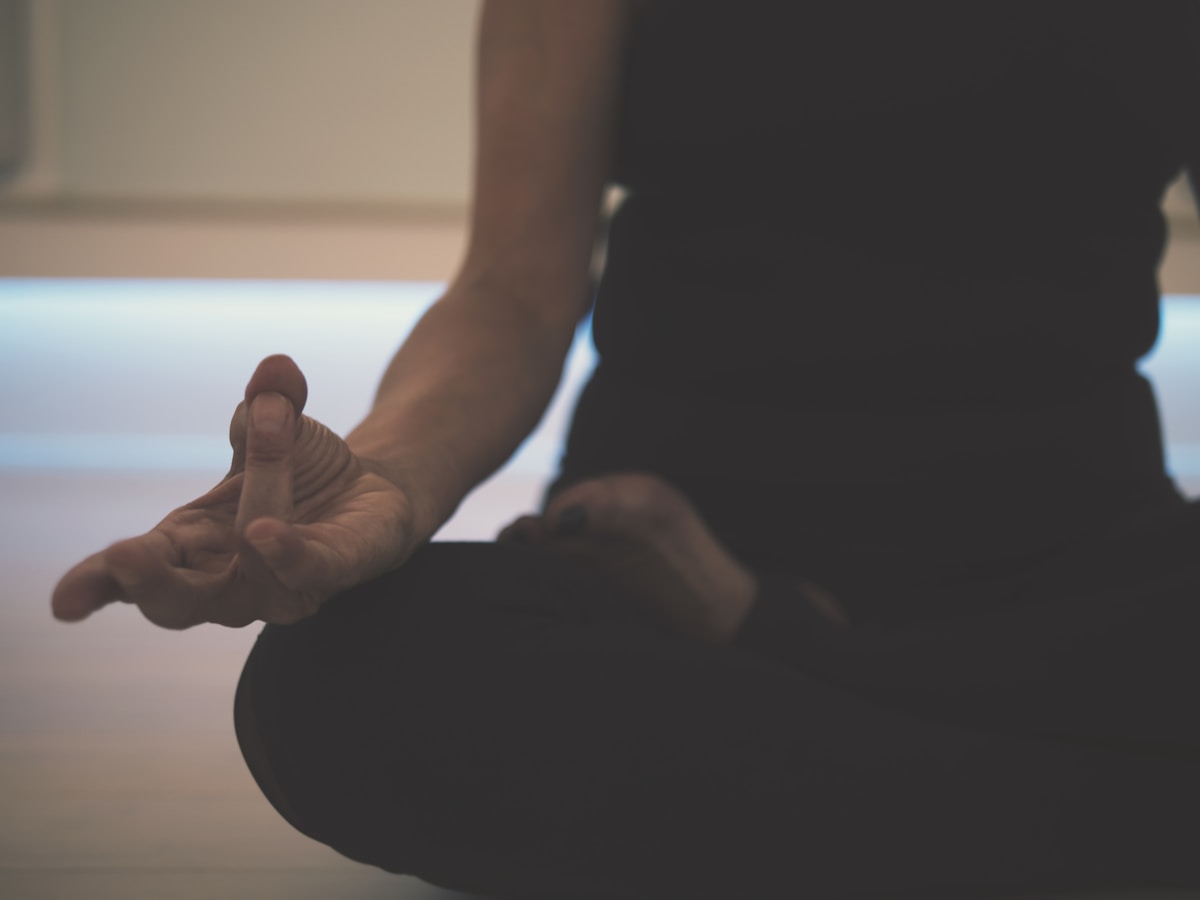
- Mindfulness and meditation: Take a few minutes each day to practice mindfulness and meditation. You can use apps like Headspace or Calm to guide you through meditation sessions.
- Exercise and physical activity: Engage in physical activities that bring you joy, such as walking, running, or dancing. Exercise can help reduce stress and anxiety by releasing endorphins, also known as "feel-good" hormones.
- Journaling and reflection: Write down your thoughts, feelings, and gratitudes each day. Reflecting on your experiences can help you process your emotions and gain insight into your behaviors.
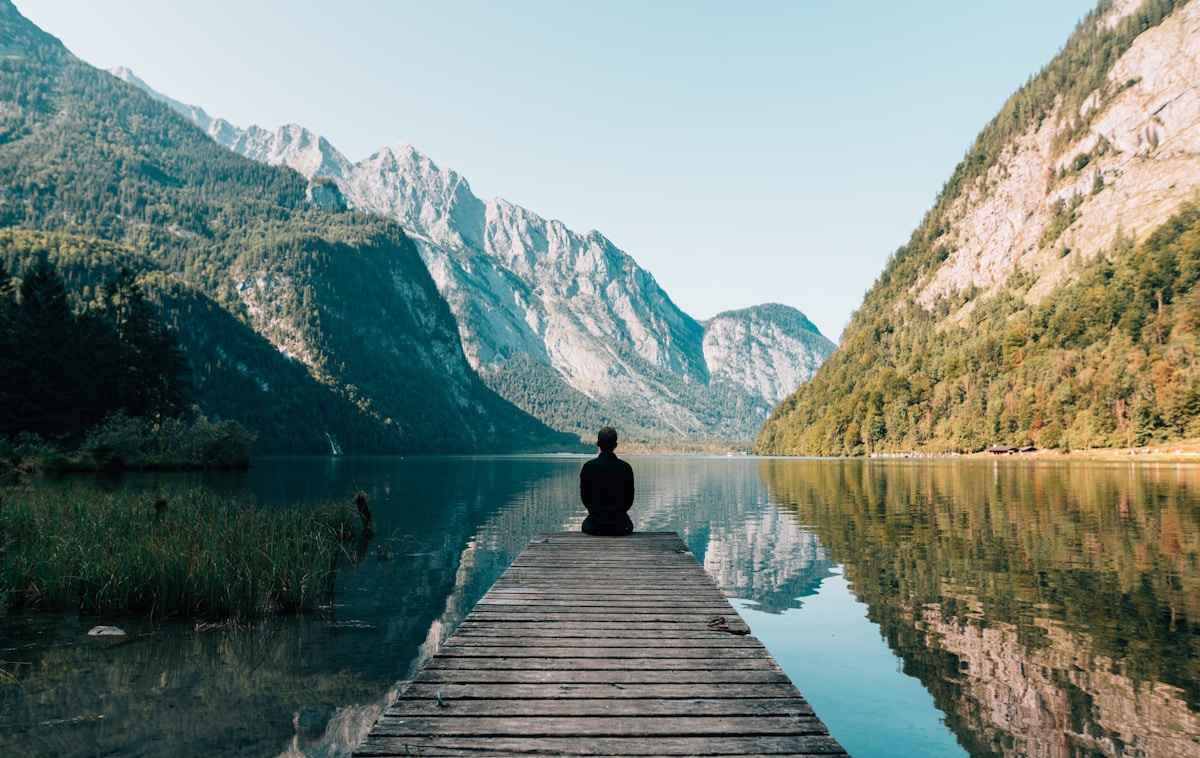
- Connect with nature: Spend time outdoors, whether it's walking in a park, hiking, or simply sitting in a garden. Nature can help you feel grounded and connected to the world around you.
- Set boundaries and prioritize sleep: Learn to say "no" to things that drain your energy and prioritize getting enough sleep each night. Aim for 7-8 hours of sleep to help your mind and body recharge.
- Engage in creative activities: Make time for activities that bring you joy, such as painting, drawing, or playing music. Creativity can help you express yourself and tap into your imagination.
- Nurture social connections: Surround yourself with people who support and uplift you. Schedule regular check-ins with friends and family, and consider joining a social club or group that aligns with your interests.
Making Self-Care a Habit
The key to making self-care a habit is to start small and be consistent. Begin with one or two routines and gradually add more as you become more comfortable with the practice. Remember, self-care is not a one-size-fits-all approach, so experiment with different activities to find what works best for you. Be patient and kind to yourself as you navigate the process, and don't be afraid to seek support when you need it.
Conclusion
Prioritizing your mental health through self-care routines can have a profound impact on your overall well-being. By incorporating these practical tips into your daily life, you can reduce stress and anxiety, improve your mood, and increase your energy levels. Remember, taking care of your mental health is not selfish – it's essential. So, take the first step today and start nourishing your mind. You deserve to live a happy, healthy, and fulfilling life, and with self-care, you can achieve just that.
When to Seek Professional Help
While self-care routines can be incredibly beneficial, they may not be enough to address serious mental health concerns. If you're experiencing symptoms of anxiety, depression, or other mental health conditions, it's essential to seek professional help. A therapist can provide you with personalized guidance, support, and treatment to help you manage your symptoms and improve your mental health. Don't hesitate to reach out for help – you deserve to live a happy, healthy, and fulfilling life. If you're struggling with your mental health, consider consulting with a mental health professional or calling a helpline such as the National Alliance on Mental Illness (NAMI) Helpline at 1-800-950-6264.