Introduction to Self-Care and Mental Health
Taking care of your mental health is just as important as taking care of your physical health. In today's fast-paced world, it's easy to get caught up in the hustle and bustle of daily life and neglect our own well-being. However, self-care routines can be a powerful tool in maintaining good mental health. By incorporating simple yet effective practices into your daily routine, you can improve your mood, reduce stress, and increase your overall sense of well-being.
Why Self-Care is Important for Mental Health
Self-care is not just about pampering yourself or indulging in luxuries. It's about taking intentional steps to care for your physical, emotional, and mental health. When you prioritize self-care, you're better equipped to handle life's challenges, build resilience, and cultivate a positive mindset. By making self-care a non-negotiable part of your daily routine, you can experience a significant improvement in your mental health and overall quality of life.
Practical Self-Care Routines for Mental Health
So, what are some self-care routines that you can start incorporating into your daily life? Here are some practical and actionable tips to get you started:
- Morning Meditation: Start your day with a 10-15 minute meditation session. You can use a guided meditation app or simply focus on your breath. This helps set a positive tone for the day and can reduce stress and anxiety.
- Journaling: Take a few minutes each day to write down your thoughts, feelings, and gratitudes. Journaling can help you process your emotions, gain clarity, and develop a more positive mindset.
- Physical Activity: Engage in some form of physical activity that you enjoy, such as walking, running, or yoga. Exercise releases endorphins, which can boost your mood and reduce symptoms of depression and anxiety.
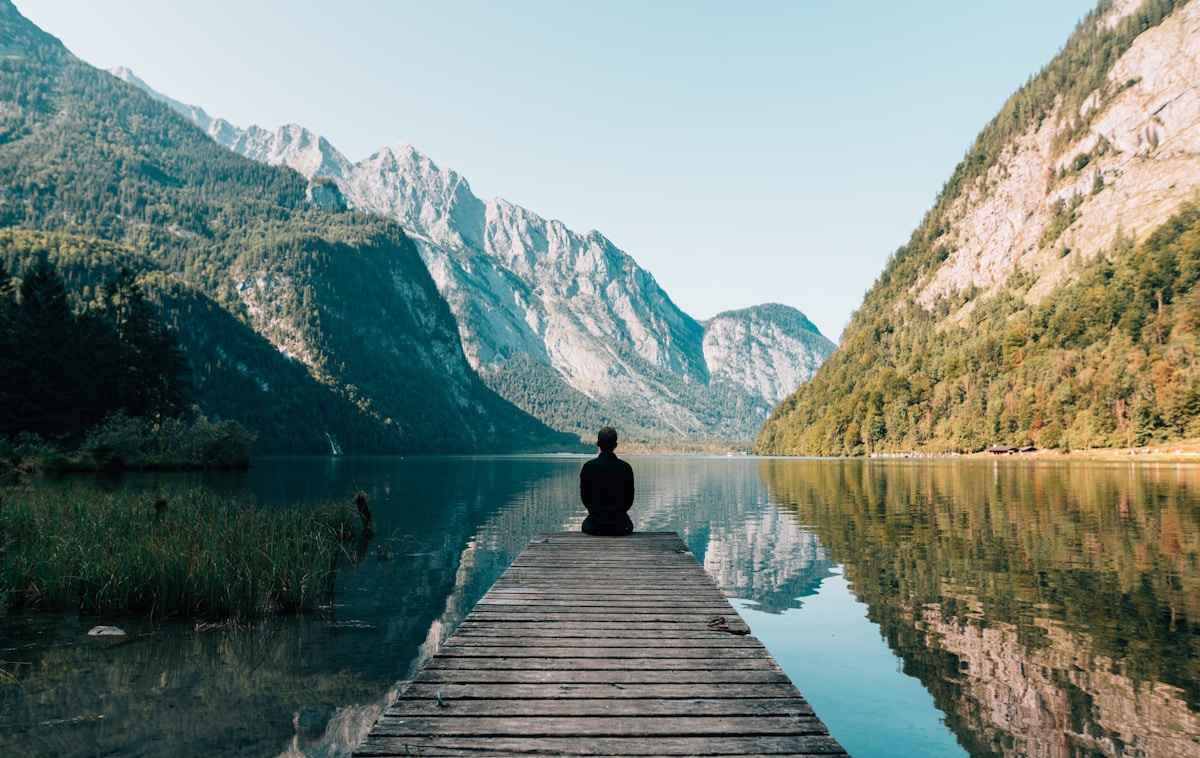
- Connect with Nature: Spend time outdoors, whether it's walking in a park, hiking, or simply sitting in a garden or on a balcony with plants. Being in nature can help reduce stress and improve your mood.
- Healthy Eating: Fuel your body with nutritious foods that promote mental well-being. Avoid sugary and processed foods that can exacerbate symptoms of anxiety and depression.
- Boundary Setting: Learn to say "no" to things that drain your energy and say "yes" to things that nourish your mind, body, and soul. Set healthy boundaries with others to protect your time and emotional well-being.
- Self-Compassion: Practice self-kindness and self-acceptance. Treat yourself with the same kindness and compassion that you would offer to a friend. Be gentle with yourself, and avoid self-criticism.
- Leisure Activities: Make time for activities that bring you joy and relaxation, such as reading, listening to music, or engaging in a hobby. This can help reduce stress and improve your mood.
A Real-Life Example of Self-Care in Action
Meet Sarah, a busy working mom who was struggling to balance her job, family, and personal life. She felt constantly stressed, anxious, and overwhelmed. One day, she decided to prioritize her self-care and started with small, manageable changes. She began by waking up 15 minutes earlier each day to meditate and journal. She also started taking a short walk during her lunch break and practicing yoga in the evenings. As she continued to incorporate these self-care routines into her daily life, Sarah noticed a significant improvement in her mood, energy levels, and overall sense of well-being. She felt more resilient, focused, and better equipped to handle the challenges of her daily life.
Conclusion: Making Self-Care a Priority
Incorporating self-care routines into your daily life can have a profound impact on your mental health and overall well-being. By prioritizing your self-care, you're sending a powerful message to yourself that you're worthy of love, care, and compassion. Remember, self-care is not a luxury, it's a necessity. It's essential to take care of your mental health, just as you would take care of your physical health. So, start small, be consistent, and make self-care a non-negotiable part of your daily routine. You deserve to live a happy, healthy, and fulfilling life, and self-care can help you get there.
When to Seek Professional Help
While self-care routines can be incredibly effective in maintaining good mental health, there are times when you may need to seek professional help. If you're experiencing severe symptoms of anxiety, depression, or other mental health conditions, it's essential to consult with a therapist or mental health professional. They can provide you with personalized guidance, support, and evidence-based treatments to help you manage your symptoms and improve your mental health. Don't hesitate to reach out for help if you're struggling – taking care of your mental health is a sign of strength, not weakness.