Introduction to Healthy Boundaries
Have you ever felt like you're being pulled in too many directions, with no time or energy left for yourself? Do you often find yourself saying "yes" to requests that leave you feeling drained and resentful? If so, it's likely that you're struggling with setting healthy boundaries. Setting healthy boundaries is an essential life skill that can help you prioritize your own needs, protect your time and energy, and maintain healthy relationships. In this article, we'll explore the importance of setting healthy boundaries and provide you with practical tips on how to do so.
Why Healthy Boundaries Matter
Healthy boundaries are essential for maintaining our physical, emotional, and mental well-being. When we set healthy boundaries, we're able to communicate our needs and limits clearly, which helps to prevent burnout, stress, and anxiety. Healthy boundaries also help us to build and maintain strong, respectful relationships, where everyone's needs are valued and respected. By setting healthy boundaries, we're able to prioritize our own needs, which can lead to increased self-esteem, confidence, and overall life satisfaction.
Practical Tips for Setting Healthy Boundaries
So, how do you set healthy boundaries? Here are some practical tips to get you started:
- Identify your limits: Take some time to reflect on what you're comfortable with and what you're not. What are your non-negotiables? What are your deal-breakers? Knowing your limits will help you to set boundaries that work for you.
- Communicate your boundaries clearly: Once you've identified your limits, communicate them clearly to others. Be direct, specific, and respectful. Use "I" statements to express your feelings and needs, rather than "you" statements that can come across as accusatory.
- Set boundaries proactively: Don't wait until you're feeling overwhelmed or resentful to set boundaries. Set them proactively, before you reach your limit. This can help to prevent conflicts and maintain healthy relationships.
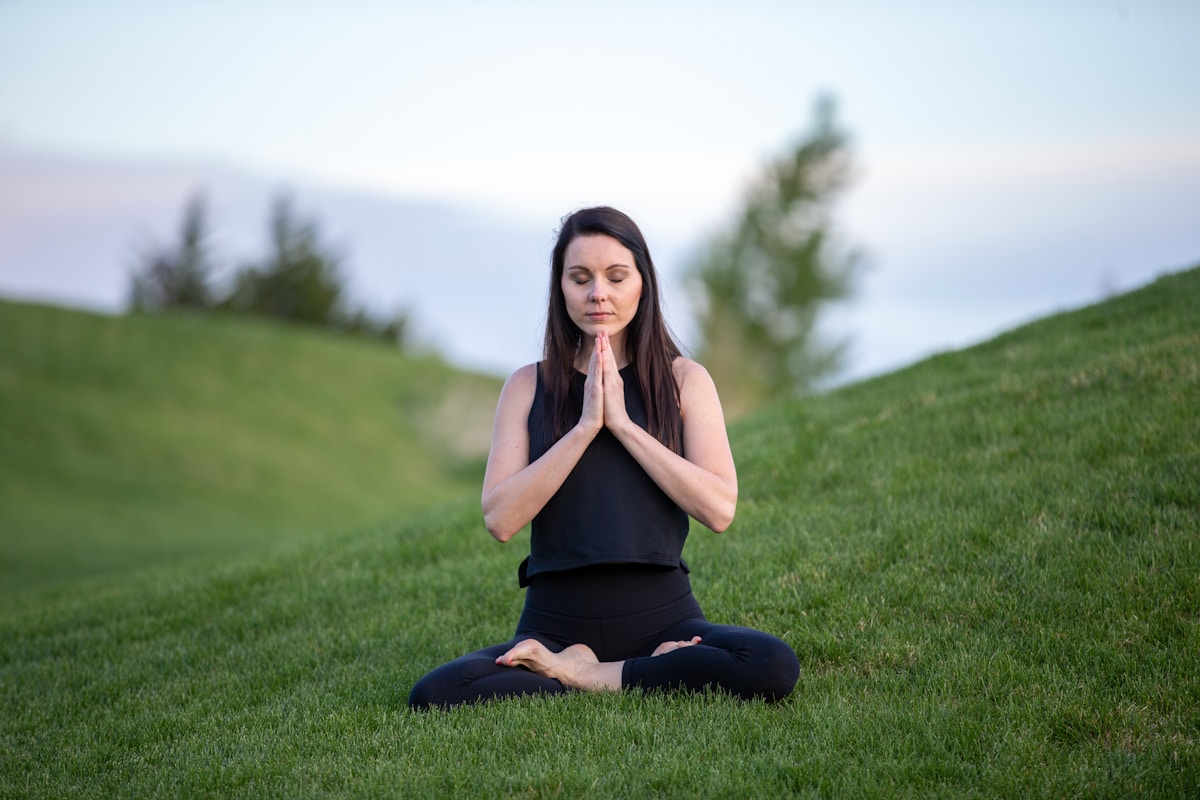
- Prioritize self-care: Taking care of yourself is essential for maintaining healthy boundaries. Make time for activities that nourish your mind, body, and soul, such as exercise, meditation, or spending time in nature.
- Learn to say "no" without explanation: You don't owe anyone an explanation for saying "no". A simple "no, thank you" or "I'm not comfortable with that" is enough. Remember, saying "no" to something that doesn't serve you means saying "yes" to yourself.
- Be consistent: Consistency is key when it comes to setting healthy boundaries. Make sure you're applying your boundaries consistently, even when it's difficult or uncomfortable.
- Respect others' boundaries: Finally, remember to respect others' boundaries, just as you want them to respect yours. This can help to build trust, respect, and strong, healthy relationships.
A Real-Life Example
Let's say you have a friend who always calls you at the last minute to hang out, without considering your schedule or plans. You feel obligated to say "yes" because you don't want to hurt their feelings, but you end up feeling resentful and drained. In this situation, you could set a healthy boundary by saying, "Hey, I love spending time with you, but I need some notice before we hang out. Can we plan something in advance next time?" This sets a clear boundary while still being respectful and considerate of your friend's needs.
Conclusion
Setting healthy boundaries is a powerful way to take control of your life, prioritize your own needs, and maintain healthy relationships. Remember, setting boundaries is not about being selfish or controlling – it's about being respectful, clear, and direct. By following the tips outlined in this article, you can start setting healthy boundaries that work for you. Remember to be patient, consistent, and compassionate with yourself as you work on setting boundaries. You deserve to live a happy, balanced life, and setting healthy boundaries is a key part of making that happen.
When to Seek Professional Help
While setting healthy boundaries is an important life skill, there may be times when you need additional support. If you're struggling with setting boundaries due to trauma, anxiety, or low self-esteem, it may be helpful to seek the support of a therapist or counselor. A mental health professional can provide you with personalized guidance, support, and tools to help you set healthy boundaries and maintain a balanced, fulfilling life. Don't be afraid to reach out for help – taking care of your mental health is an important part of setting healthy boundaries.