Introduction to Anxiety and Its Effects
Anxiety is a common mental health condition that affects millions of people worldwide. It can manifest in different forms, such as generalized anxiety disorder, panic disorder, or social anxiety disorder. Anxiety can disrupt daily life, causing feelings of fear, worry, and unease. If left unaddressed, it can lead to debilitating symptoms, including rapid heartbeat, insomnia, and digestive issues. Fortunately, there are many natural ways to deal with anxiety, and in this article, we will explore eight practical tips to help you calm your mind and body.
Understanding the Importance of Natural Remedies
Natural remedies are a great alternative to medication, as they are often free from side effects and can be easily incorporated into daily life. By making a few simple changes to your lifestyle, you can reduce your anxiety levels and improve your overall well-being. From deep breathing exercises to mindfulness meditation, there are many natural techniques that can help you manage anxiety. Let's dive into our top 8 tips to help you get started.
8 Natural Ways to Deal with Anxiety
Here are eight practical and actionable tips to help you deal with anxiety naturally:
- Deep Breathing Exercises: Deep breathing can help slow down your heart rate and calm your mind. Try inhaling for a count of four, holding your breath for a count of seven, and exhaling for a count of eight. Repeat this process several times a day, especially when you feel anxious.
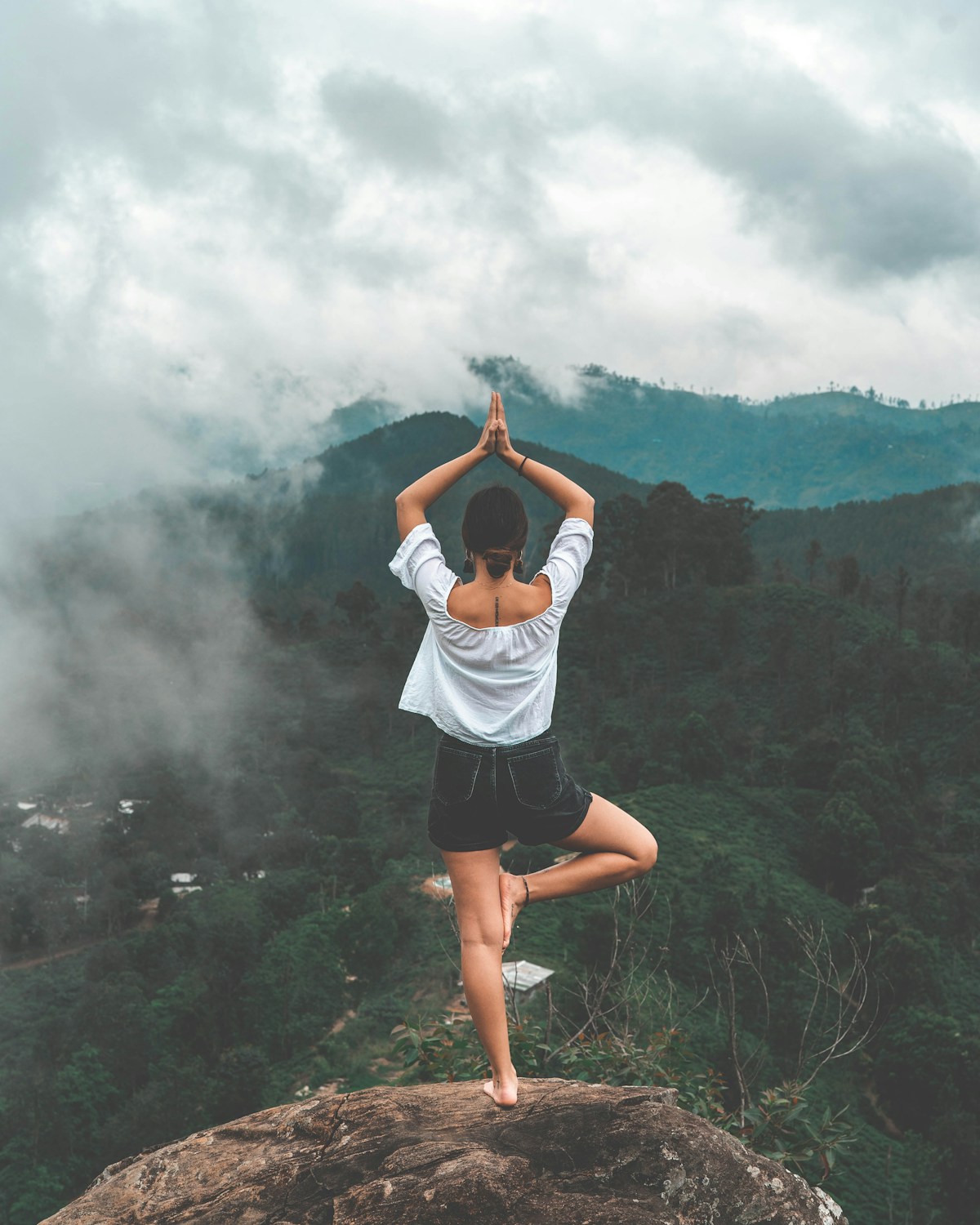
- Exercise and Physical Activity: Regular exercise can help reduce anxiety by releasing endorphins, also known as "feel-good" hormones. Engage in physical activities that you enjoy, such as walking, jogging, or yoga, to help calm your mind and body.
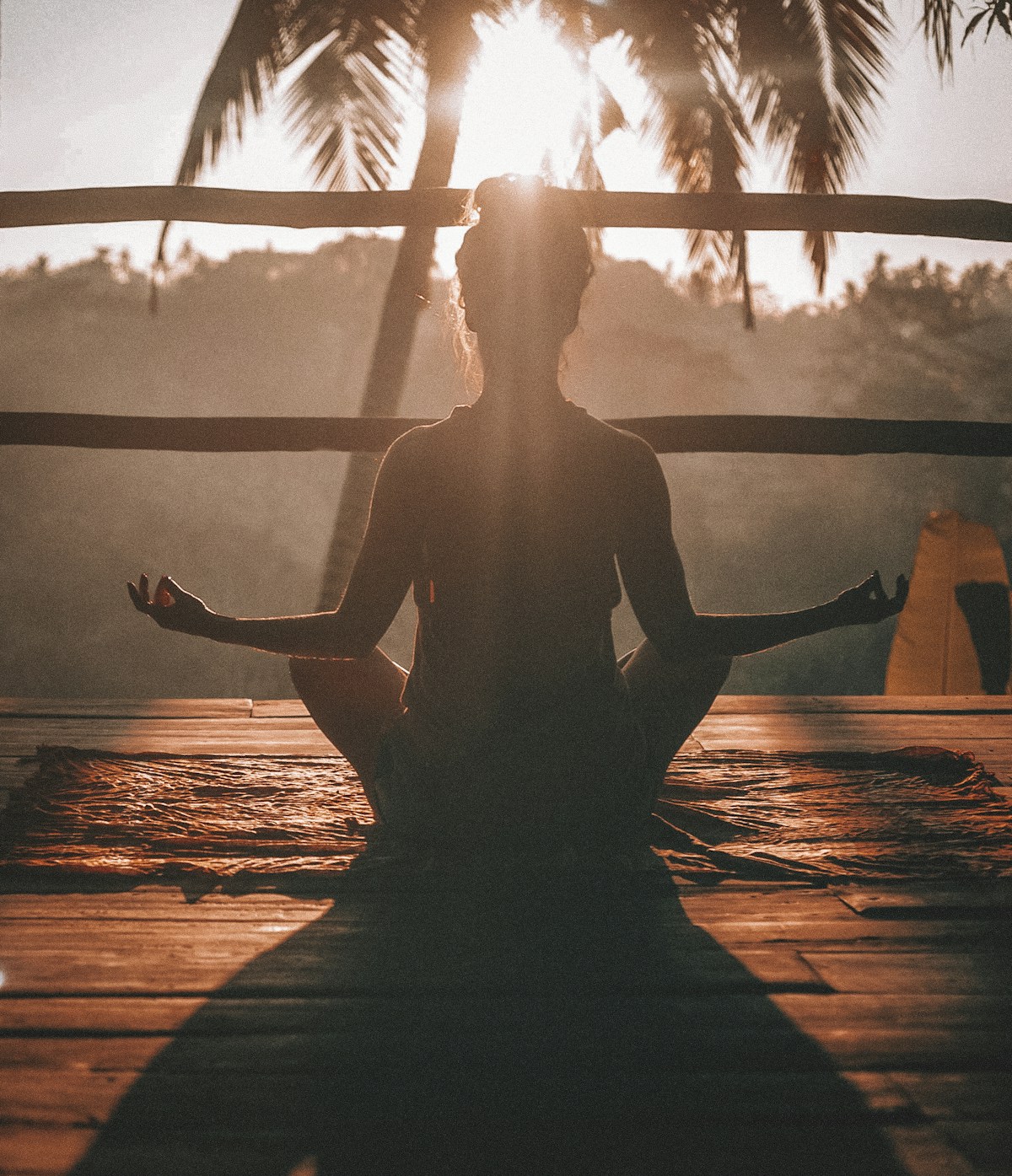
- Mindfulness Meditation: Mindfulness meditation involves focusing on the present moment, without judgment. You can practice mindfulness meditation through guided recordings or by simply paying attention to your breath. Start with short sessions, such as 5-10 minutes, and gradually increase as you become more comfortable with the practice.
- Herbal Supplements: Certain herbal supplements, such as passionflower, kava, and ashwagandha, have been shown to have a calming effect on the body. However, always consult with a healthcare professional before taking any supplements, as they can interact with other medications or have side effects.
- Aromatherapy: Essential oils, such as lavender and chamomile, can have a calming effect on the body. Use a diffuser or apply a few drops of oil to your pulse points to help reduce anxiety.
- Journaling: Writing down your thoughts and feelings can help you process and release emotions. Try journaling before bed to clear your mind and prepare for a restful night's sleep.
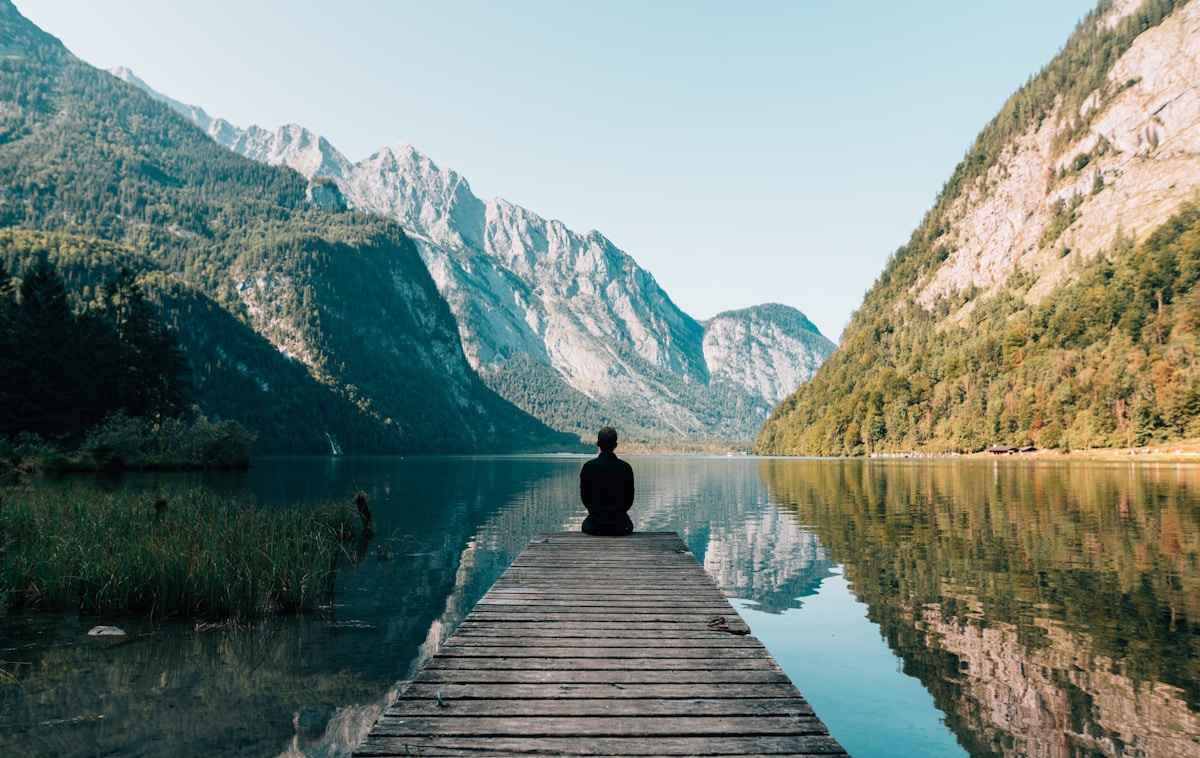
- Connect with Nature: Spending time in nature can help reduce anxiety by promoting a sense of calm and well-being. Take a walk in a park, go for a hike, or simply sit outside and enjoy the fresh air.
- Get Enough Sleep: Lack of sleep can exacerbate anxiety, so it's essential to establish a consistent sleep routine. Aim for 7-8 hours of sleep per night and create a relaxing bedtime routine to help you wind down.
A Real-Life Example of Overcoming Anxiety
Meet Sarah, a 30-year-old marketing executive who struggled with anxiety for years. She would often feel overwhelmed by her workload and social commitments, leading to debilitating anxiety attacks. One day, Sarah decided to take control of her anxiety by incorporating natural remedies into her daily life. She started practicing deep breathing exercises, journaling, and taking regular walks in the park. She also made sure to get enough sleep and established a consistent bedtime routine. Within a few weeks, Sarah noticed a significant reduction in her anxiety levels and was able to manage her stress more effectively. She felt more confident and in control, and was able to enjoy her life without the burden of anxiety.
Conclusion
Anxiety is a common mental health condition that can be managed and overcome with the right techniques and mindset. By incorporating natural remedies into your daily life, you can reduce your anxiety levels and improve your overall well-being. Remember, it's essential to be patient and kind to yourself as you work through your anxiety. Don't be afraid to try new things and seek support from loved ones or a therapist. With time and practice, you can learn to manage your anxiety and live a happier, healthier life.
When to Seek Professional Help
While natural remedies can be effective in managing anxiety, there are times when seeking professional help is necessary. If you experience any of the following symptoms, consider consulting a therapist or healthcare professional: severe anxiety attacks, suicidal thoughts, or difficulty managing daily life due to anxiety. A therapist can provide you with personalized guidance, support, and therapy to help you overcome your anxiety and improve your mental health. Don't hesitate to reach out for help – you deserve to live a happy, anxiety-free life.